

Choosing furniture is a long-term investment. Therefore, durability matters more than price alone. Many homeowners in Nigeria face a tough choice. Should they buy locally made hardwood furniture or imported alternatives? This article breaks down both options clearly.
Understanding Nigerian Hardwoods
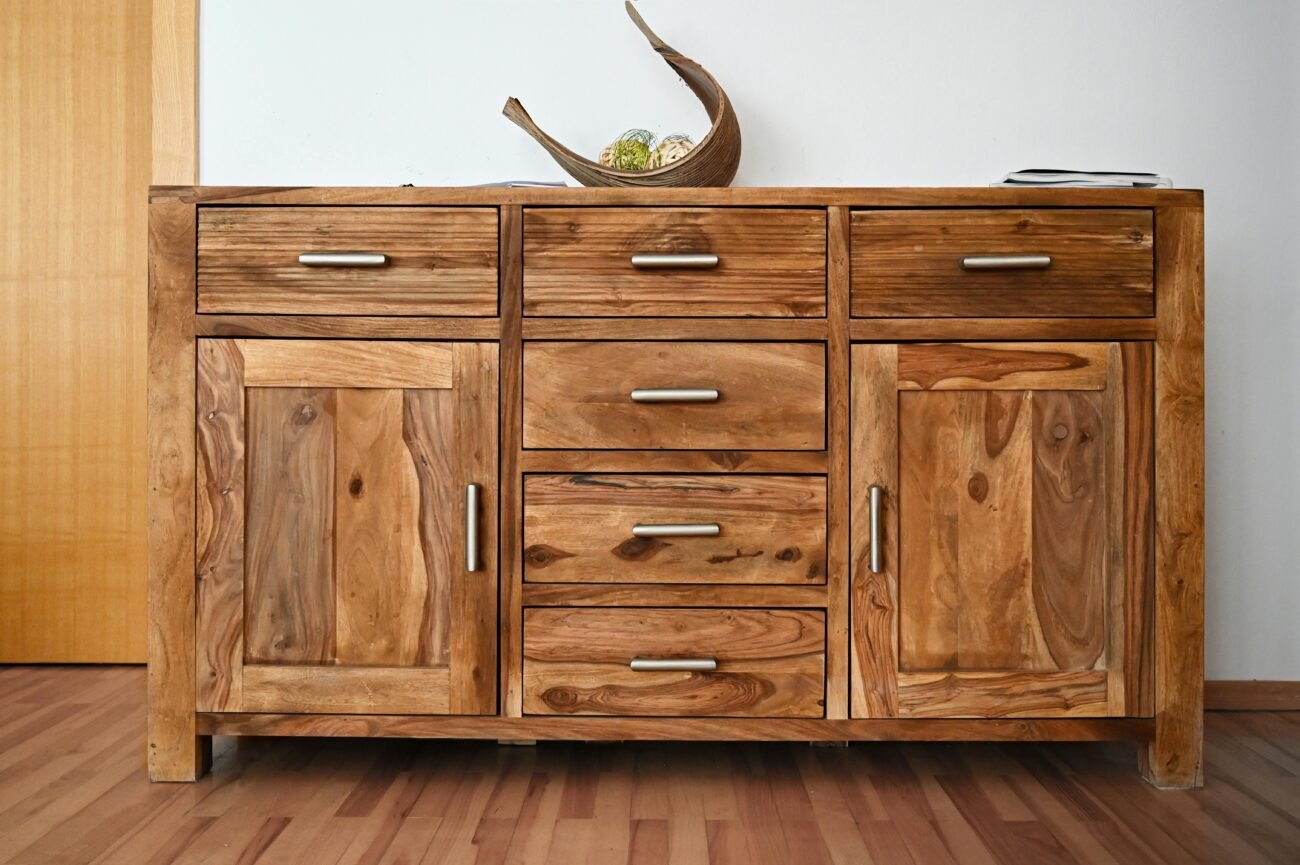
Nigeria is rich in premium timber species. Woods like Iroko, Sapele, African Walnut, and Opepe are widely available. Moreover, these species have naturally dense grain structures. This density makes them extremely resistant to physical wear.
Additionally, Nigerian hardwoods adapt well to the local climate. They expand and contract less in humid conditions. As a result, joints stay tight and surfaces remain stable. Local craftsmen also understand these woods deeply. That expertise translates directly into better furniture construction.
Common Imported Furniture Materials
Imported furniture typically uses engineered wood or softwood. MDF (Medium Density Fibreboard) is one popular option. Furthermore, plywood, chipboard, and pine are widely imported. These materials are often cheaper upfront. However, they tend to perform poorly in tropical climates.
Humidity causes MDF to swell and warp quickly. Similarly, chipboard loses structural strength when exposed to moisture. Consequently, joints weaken and surfaces bubble over time. Imported softwoods also scratch and dent more easily. This means they look worn out much faster.
Durability Comparison: Nigerian Hardwood vs. Imported Wood
Let’s compare both options side by side.
Scratch and Dent Resistance Nigerian hardwoods score very high in hardness ratings. For example, Iroko registers around 1,260 lbf on the Janka hardness scale. In contrast, pine scores just 870 lbf. Therefore, hardwood surfaces resist daily wear far better. Imported softwoods show visible damage within a few years.
Moisture and Climate Resistance Nigeria’s humidity is a serious challenge for furniture. However, local hardwoods naturally handle this environment. They were literally grown in it. On the other hand, MDF and chipboard absorb moisture rapidly. Subsequently, they degrade structurally and aesthetically. This makes them a poor long-term choice for Nigerian homes.
Lifespan Expectancy Well-crafted Nigerian hardwood furniture easily lasts 20 to 50 years. Furthermore, with proper maintenance, it can last a lifetime. Imported engineered wood furniture typically lasts 5 to 10 years. After that, replacement becomes necessary. So the cost-per-year value of local hardwood is far superior.
Cost Analysis: Short-Term vs. Long-Term Value
Imported furniture often seems affordable at first. Nevertheless, replacement costs add up significantly over time. A ₦150,000 imported MDF wardrobe may need replacement in seven years. Conversely, a ₦250,000 Iroko hardwood wardrobe could last 30 years.
Therefore, the hardwood option saves more money long-term. Additionally, Nigerian hardwood furniture retains resale value. Imported materials depreciate rapidly and have little resale demand. Smart buyers always consider the total cost of ownership.
Environmental Impact: Local vs. Imported
Choosing Nigerian hardwoods also supports sustainability. Local timber reduces carbon emissions from shipping. Moreover, many Nigerian timber suppliers now practice responsible harvesting. Supporting them encourages better forestry management nationwide.
In contrast, imported furniture often involves long supply chains. These chains produce significant carbon footprints. Additionally, engineered wood products use chemical binders and adhesives. These chemicals off-gas indoors and affect air quality. Consequently, local hardwood is the healthier environmental choice.
Aesthetic Appeal and Customization
Nigerian hardwoods offer stunning natural beauty. Sapele, for instance, displays a distinctive ribbon-like grain pattern. Furthermore, local artisans customize pieces to exact specifications. Buyers can choose dimensions, finishes, and designs freely.
Imported furniture rarely offers this flexibility. Most imported pieces are mass-produced with fixed designs. Therefore, they don’t always fit Nigerian room layouts or cultural aesthetics. Local hardwood furniture, however, reflects personal taste and heritage beautifully.
Maintenance Requirements
Both options require regular maintenance. However, hardwood is far more forgiving. It accepts polishing, sanding, and refinishing easily. Moreover, minor scratches can be buffed out without professional help. This extends the furniture’s life significantly.
Imported MDF or chipboard cannot be refinished. Once damaged, the surface stays damaged. Consequently, owners must replace rather than repair. This increases long-term costs and generates unnecessary waste.
Which Furniture Actually Lasts Longer?
The answer is clear. Nigerian hardwoods consistently outperform imported materials. They resist moisture, endure heat, and survive daily use better. Furthermore, they offer superior longevity, aesthetics, and long-term value. While imported furniture looks attractive initially, it fails prematurely in Nigerian conditions.
Therefore, investing in locally sourced Nigerian hardwood furniture is the wiser decision. It saves money over time, supports local craftsmen, and delivers unmatched durability. Ultimately, quality always outlasts the appeal of a cheaper price tag.
Final Thoughts
Before buying your next furniture piece, think long-term. Consider the climate, your lifestyle, and your budget over many years. Nigerian hardwoods are not just wood — they are an investment in lasting comfort and quality. Choose wisely, and your furniture will serve generations to come.
At Beveledge Interior Designs, we design and manufacture furniture tailored to your lifestyle.
If you have any interior or furniture concerns, we are happy to offer a complimentary consultation. You are also welcome to visit our showrooms for inspiration or speak with our team directly
Leave a comment