
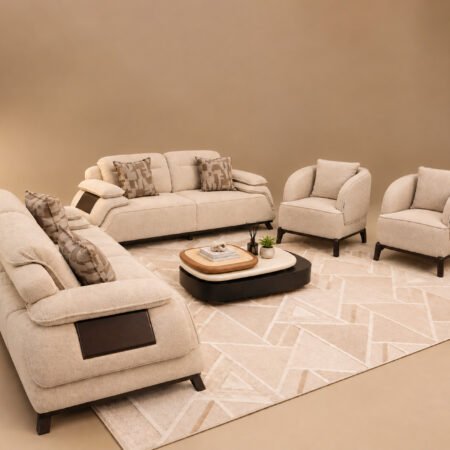
Obagua sofa set
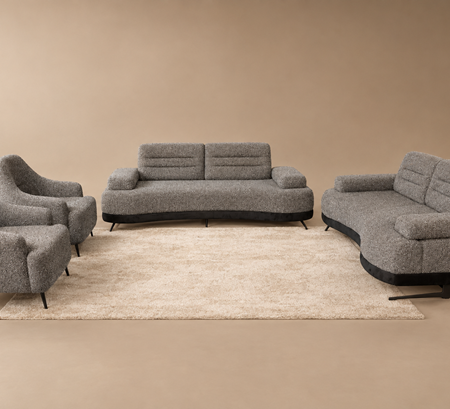
Wura 3,2,1,1 sofa set
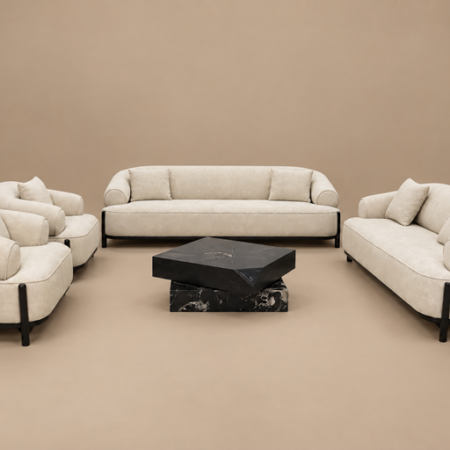
Oyinkan sofa set 3,2,1,1
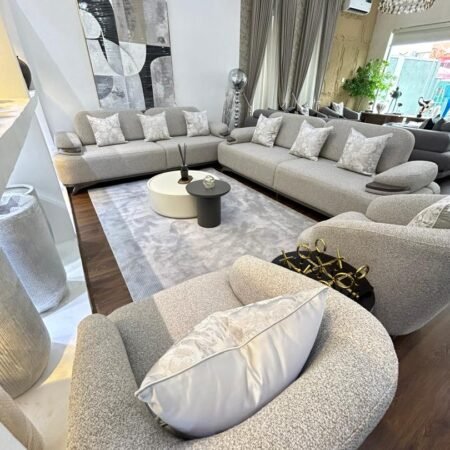
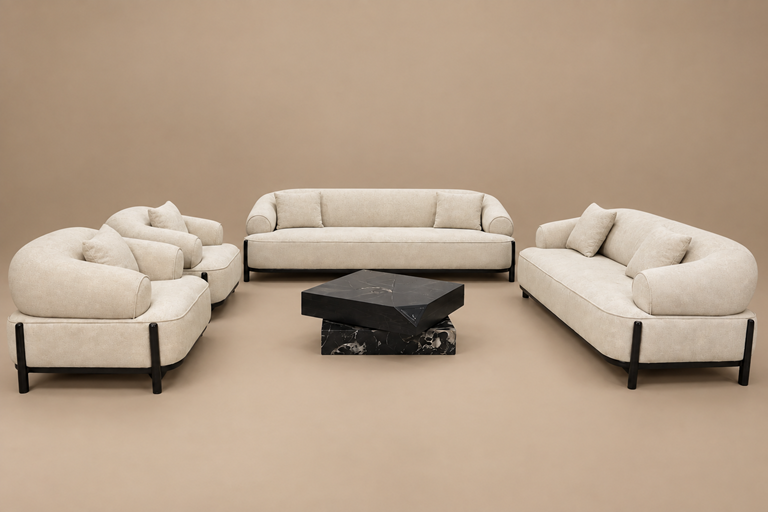
Orbit Sofa Set with Pillows
Many homeowners use “modern” and “contemporary” as if they mean the same thing. They do not. Each style has its own history, look, and feel. Understanding the difference helps you design a living room you will love for years.
What Is Modern Living Room Design?
Modern design refers to a specific historical period. It emerged in the early to mid-20th century. The movement grew from the Bauhaus school and mid-century designers. Therefore, modern interiors follow a fixed set of principles.
Clean lines define this style. Furniture sits low and stays simple. Decoration is minimal. Function always comes before ornament.
Color palettes stay restrained. Expect white, black, grey, and earthy browns. Occasionally, a bold accent such as mustard or teal appears. However, it never overwhelms the space.
Materials matter too. Designers favor natural wood, leather, steel, and glass. Consequently, the room feels honest and uncluttered.
What Is Contemporary Living Room Design?
Contemporary design describes what is current. It changes with the times. Today’s contemporary look may differ from the version popular ten years ago. As a result, this style feels fluid and flexible.
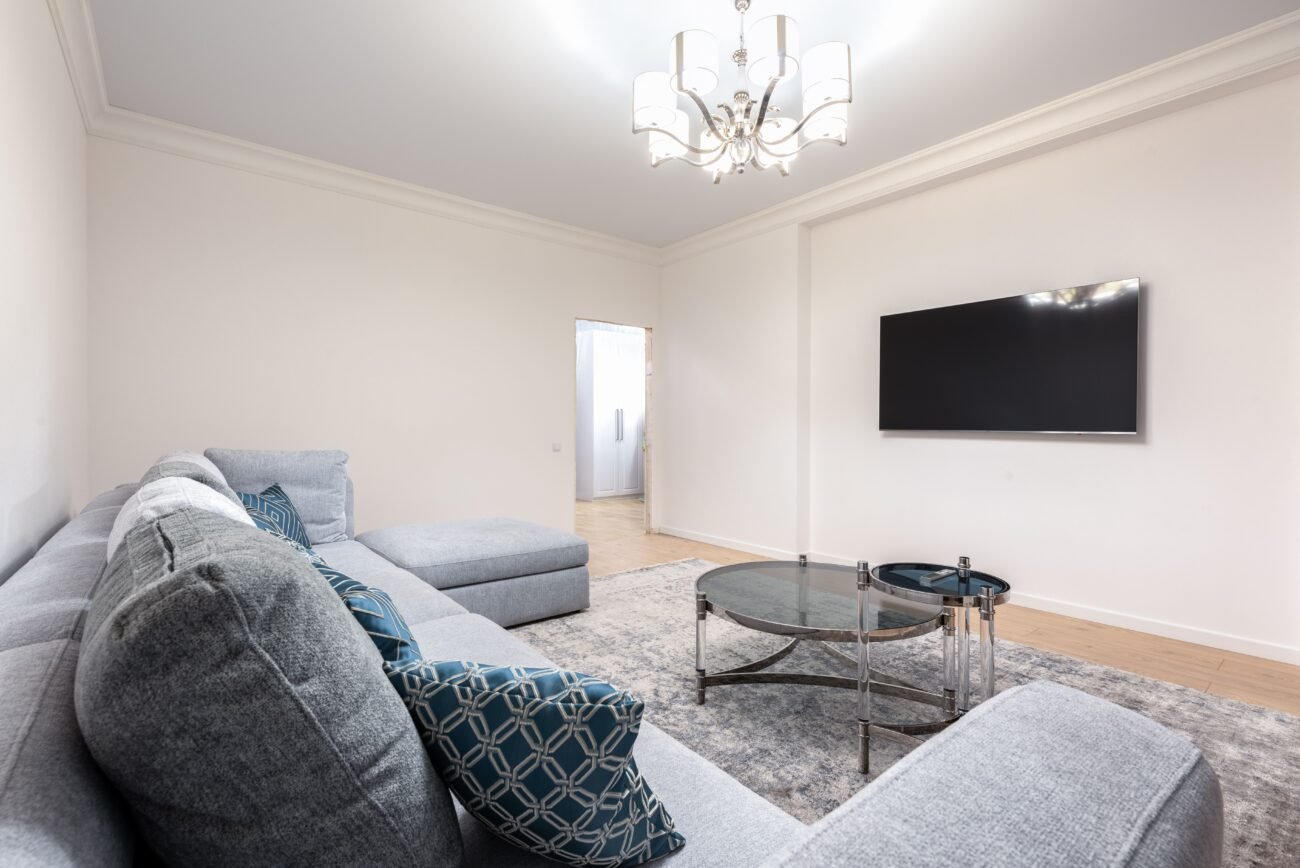
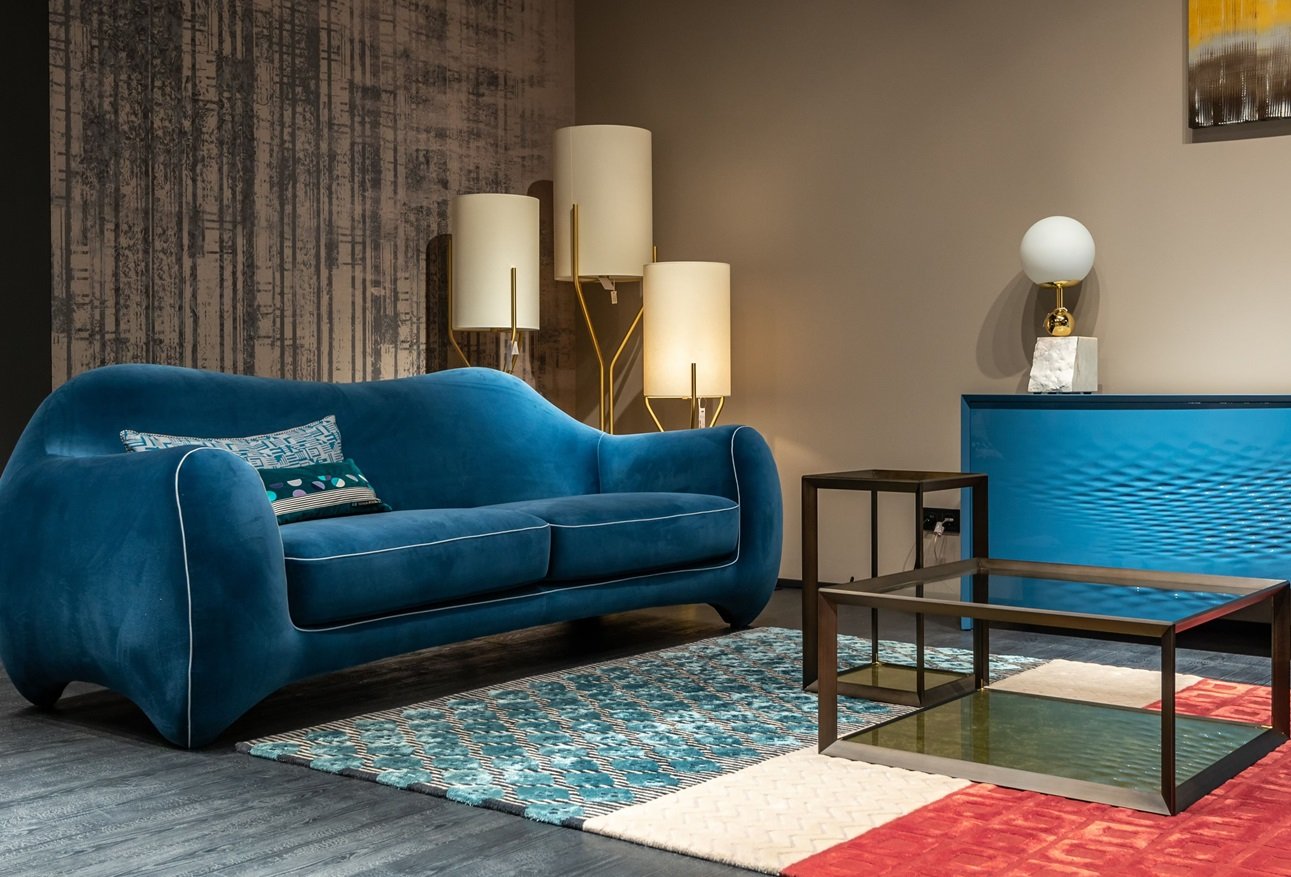
Contemporary rooms borrow from many styles. They blend modern, traditional, and even industrial touches. Moreover, they welcome new trends and technology. Smart lighting, sustainable fabrics, and statement art often appear.
Curves play a larger role here. Rounded sofas, sculptural coffee tables, and arched mirrors soften the space. In addition, layered textures create warmth and depth.
Modern vs Contemporary: Key Differences
Time and Definition
Modern design belongs to a defined era. Contemporary design belongs to the present moment. This is the most important distinction. Modern stays fixed, while contemporary keeps evolving.
Lines and Shapes
Modern living rooms rely on straight, geometric lines. Sharp angles create order and balance. In contrast, contemporary rooms mix straight lines with soft curves. This blend feels more relaxed and inviting.
Color Schemes
Modern spaces use warm neutrals and earth tones. Contemporary spaces lean toward cooler neutrals such as grey, white, and black. Furthermore, contemporary designers often add bold color through art or accessories.
Furniture Style
Modern furniture is iconic and often vintage. Think tapered legs, low profiles, and simple silhouettes. Contemporary furniture, however, is varied. It may be oversized, sculptural, or multifunctional. Therefore, you have more freedom to experiment.
Materials and Texture
Modern rooms celebrate natural materials. Wood grain, leather, and metal take center stage. Contemporary rooms add glass, concrete, and engineered finishes. Additionally, they layer soft textiles such as bouclé, velvet, and linen.
Decor and Accessories
Modern decor is sparse. Each piece must serve a purpose. Contemporary decor is more expressive. Large artwork, plants, and designer lighting add personality. Still, the look stays curated rather than cluttered.
Living Room Lighting Ideas for Each Style
Lighting shapes the mood of any room. In a modern space, choose simple pendant lamps or arc floor lights. Metal finishes in brass or black work well.
For a contemporary room, try layered lighting. Combine recessed ceiling lights, statement chandeliers, and warm table lamps. Meanwhile, dimmable fixtures let you adjust the atmosphere easily.
Which Style Should You Choose?
Your lifestyle should guide the decision. Consider these points before you commit.
Choose Modern If You Want:
- A timeless, structured look
- Minimal decor and easy maintenance
- Classic furniture that holds its value
- A calm, orderly environment
Choose Contemporary If You Want:
- A space that reflects current trends
- Freedom to mix styles and textures
- Softer shapes and cozy comfort
- Room to update your look over time
Budget matters as well. Modern pieces, especially authentic originals, can be costly. Contemporary pieces offer more price points. Consequently, they suit a wider range of budgets.
Space also plays a role. Small living rooms benefit from modern simplicity. Larger rooms can handle contemporary layering and bold statements.
Can You Combine Modern and Contemporary?
Yes, you can. Many designers blend the two with great success. For example, pair a mid-century sofa with a sculptural contemporary coffee table. Then add abstract art and soft textiles.
The key is balance. Keep a consistent color palette. In addition, limit the number of statement pieces. This approach creates harmony instead of confusion.
Final Thoughts on Choosing Your Living Room Style
Modern design offers order, restraint, and lasting appeal. Contemporary design offers flexibility, warmth, and a fresh feel. Neither is better than the other. Your choice depends on taste, budget, and the way you live.
Start by studying your space and your habits. Next, collect inspiration photos. Finally, work with a professional designer if needed. With the right plan, your living room will look stylish and feel like home.
At Beveledge Interior Designs, we design and manufacture furniture tailored to your lifestyle.
If you have any interior or furniture concerns, we are happy to offer a complimentary consultation. You are also welcome to visit our showrooms for inspiration or speak with our team directly
Leave a comment