
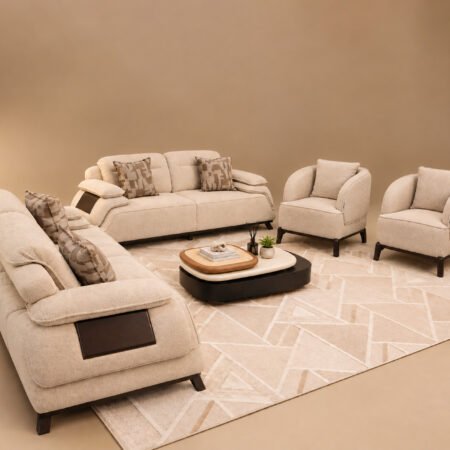
Obagua sofa set
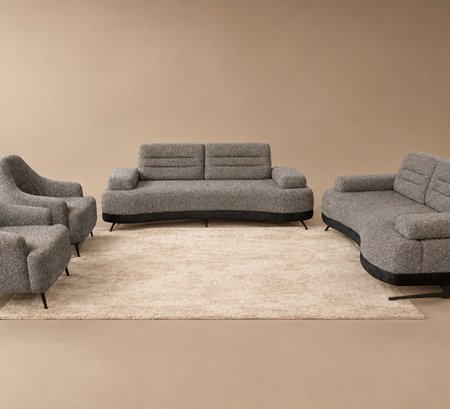
Wura 3,2,1,1 sofa set
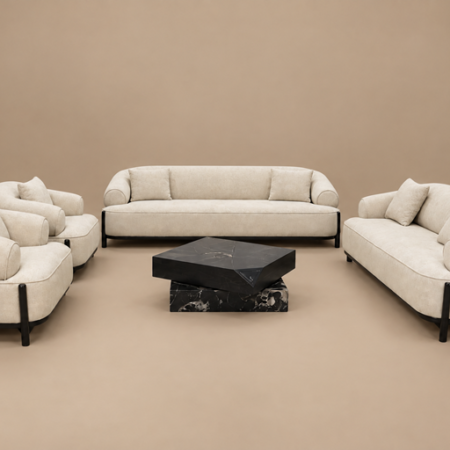
Oyinkan sofa set 3,2,1,1
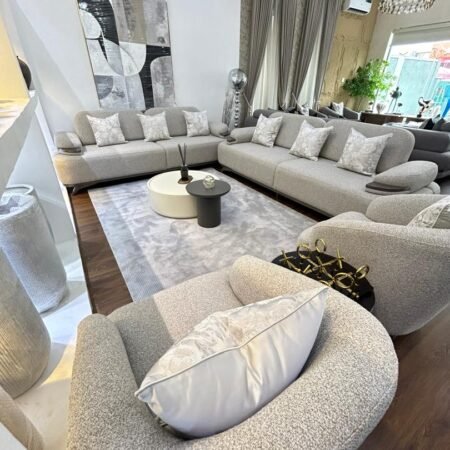
Orbit Sofa Set with Pillows
Choosing the best living room colour combinations can transform your home into a stylish, comfortable space. The right colours create harmony, reflect your personality, and enhance your interior design. Moreover, beautiful colour schemes can make small rooms feel larger and spacious rooms feel cosier.
Whether you prefer modern elegance or timeless charm, the perfect palette makes all the difference. Here are ten inspiring living room colour combinations for a welcoming home.
1. White and Beige for Timeless Elegance
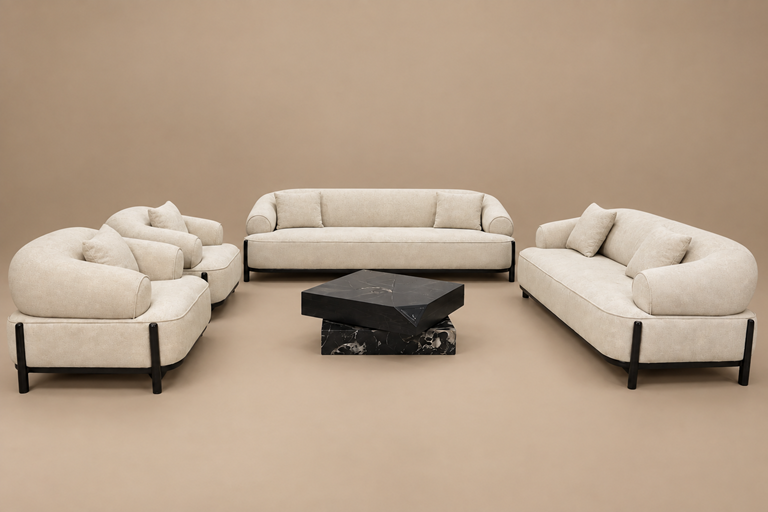
White and beige create a bright, sophisticated, and welcoming living room. These neutral shades complement almost every interior design style.
Furthermore, white reflects natural light, while beige adds warmth and depth. Together, they create a balanced atmosphere without overwhelming the space.
Pair white walls with beige sofas, textured cushions, and wooden furniture. Additionally, introduce linen curtains and soft rugs for extra comfort.
2. Grey and White for Modern Living Rooms
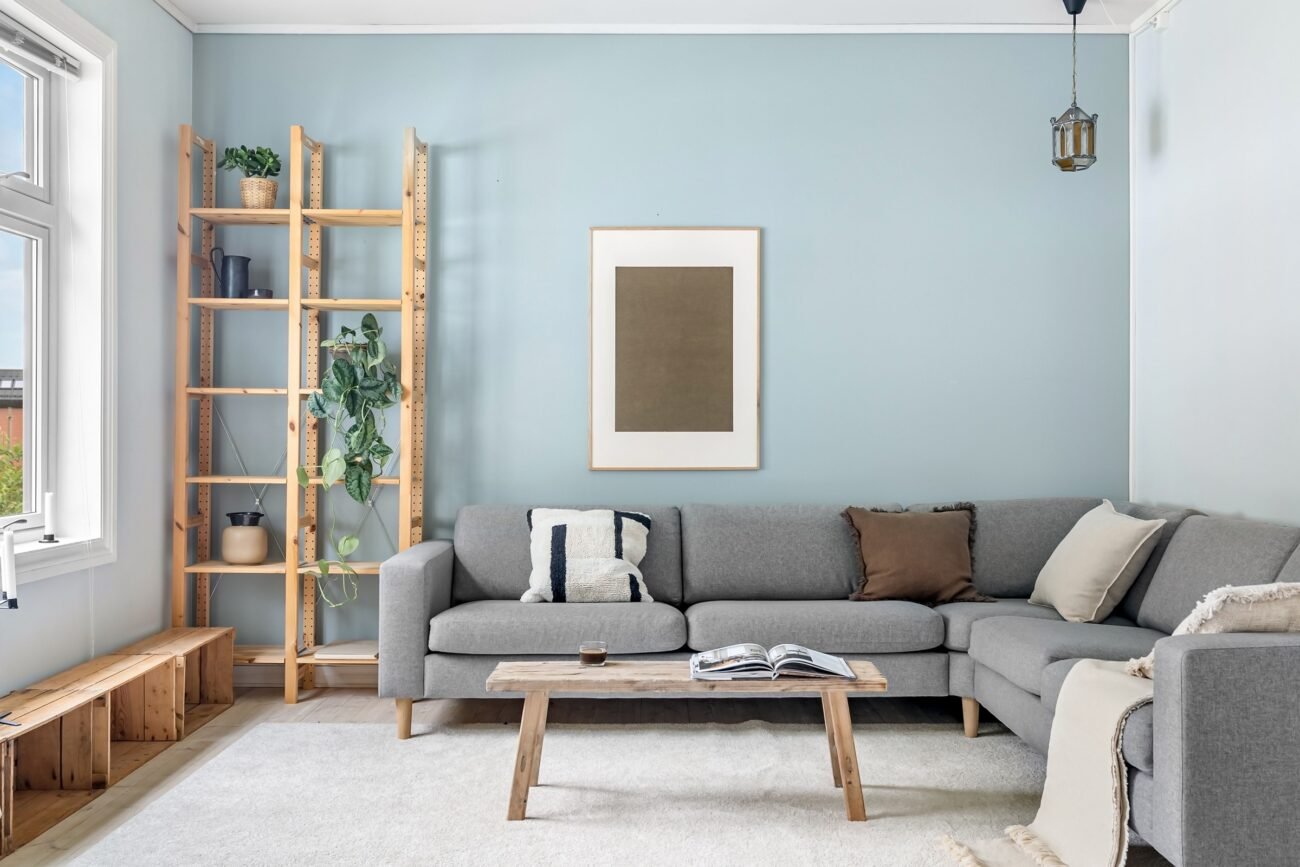
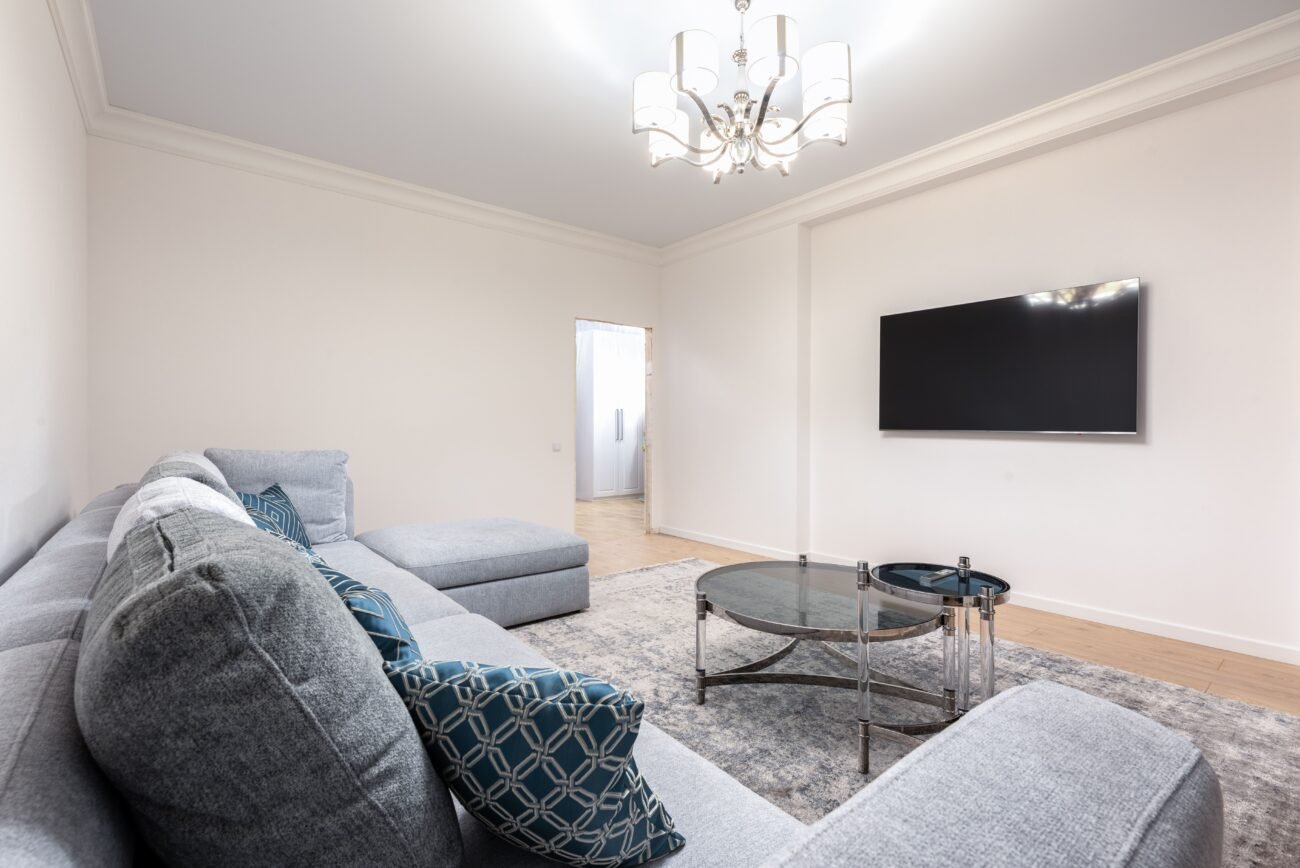
Grey and white offer a clean, contemporary look that suits modern homes. This combination creates a calm environment while maintaining a polished appearance.
For instance, use white walls with a light grey sofa. Then, introduce darker grey cushions or decorative accessories for contrast.
However, avoid excessive grey if you want a warm atmosphere. Wooden furniture, warm lighting, and green plants can soften the overall appearance.
3. Green and Cream for a Natural Feel
Green and cream bring a refreshing, nature-inspired atmosphere into your living room. This combination works particularly well for homeowners who appreciate peaceful interiors.
Sage green, olive green, and muted emerald offer different levels of richness. Meanwhile, cream balances these shades and keeps the room feeling bright.
Consider sage green walls with cream upholstery and natural wooden furniture. Alternatively, add green cushions and plants to a cream-coloured living room.
4. Navy Blue and Gold for Luxury
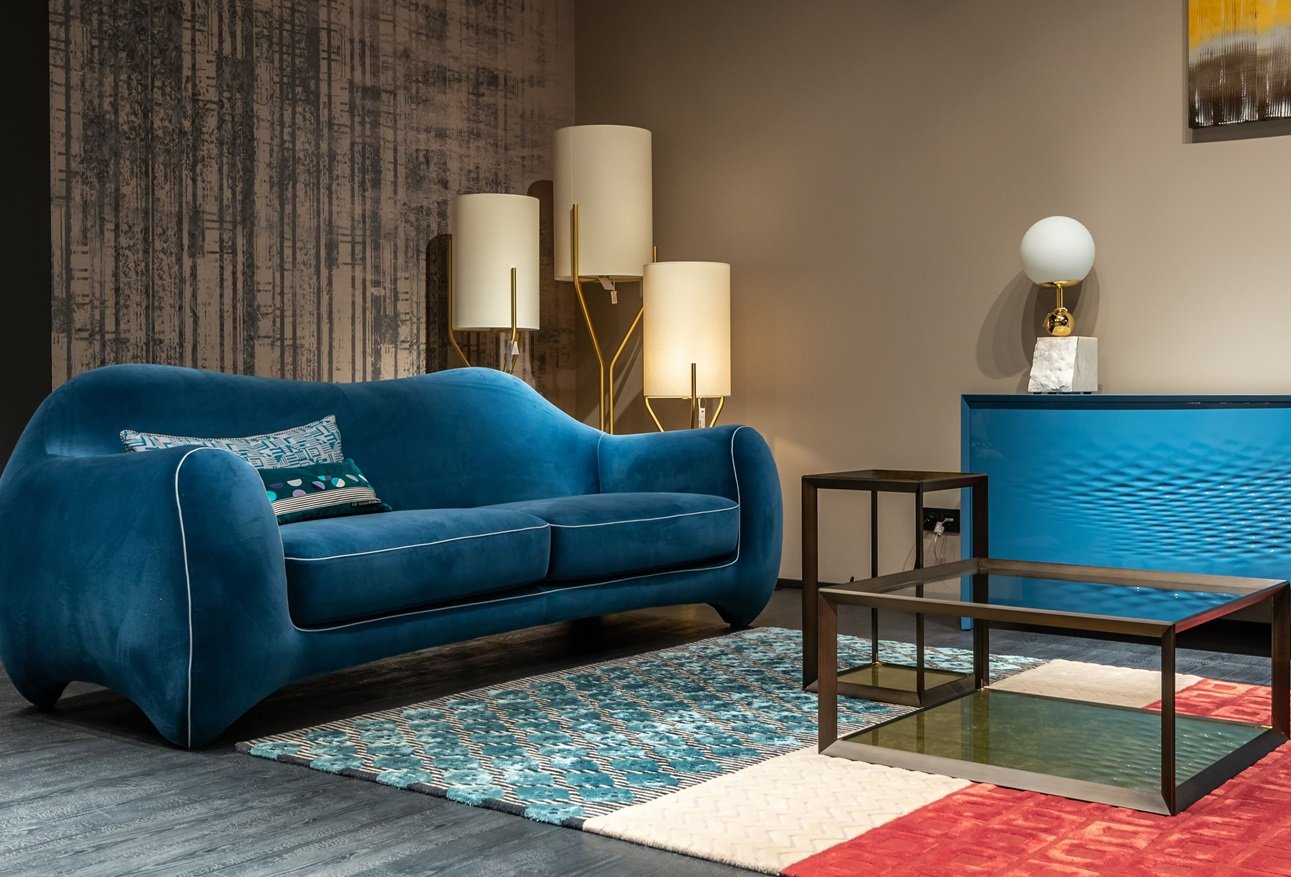
Navy blue and gold create a luxurious living room with striking visual appeal. This combination suits glamorous interiors and contemporary homes.
Navy blue introduces depth, while gold adds warmth and sophistication. Consequently, the two colours create an elegant contrast.
Use navy blue on an accent wall or statement sofa. Then, incorporate gold through lighting fixtures, mirror frames, and decorative accessories.
For a balanced finish, include neutral flooring and soft white curtains. These elements prevent the darker palette from overwhelming the room.
5. Brown and Cream for Cosy Interiors
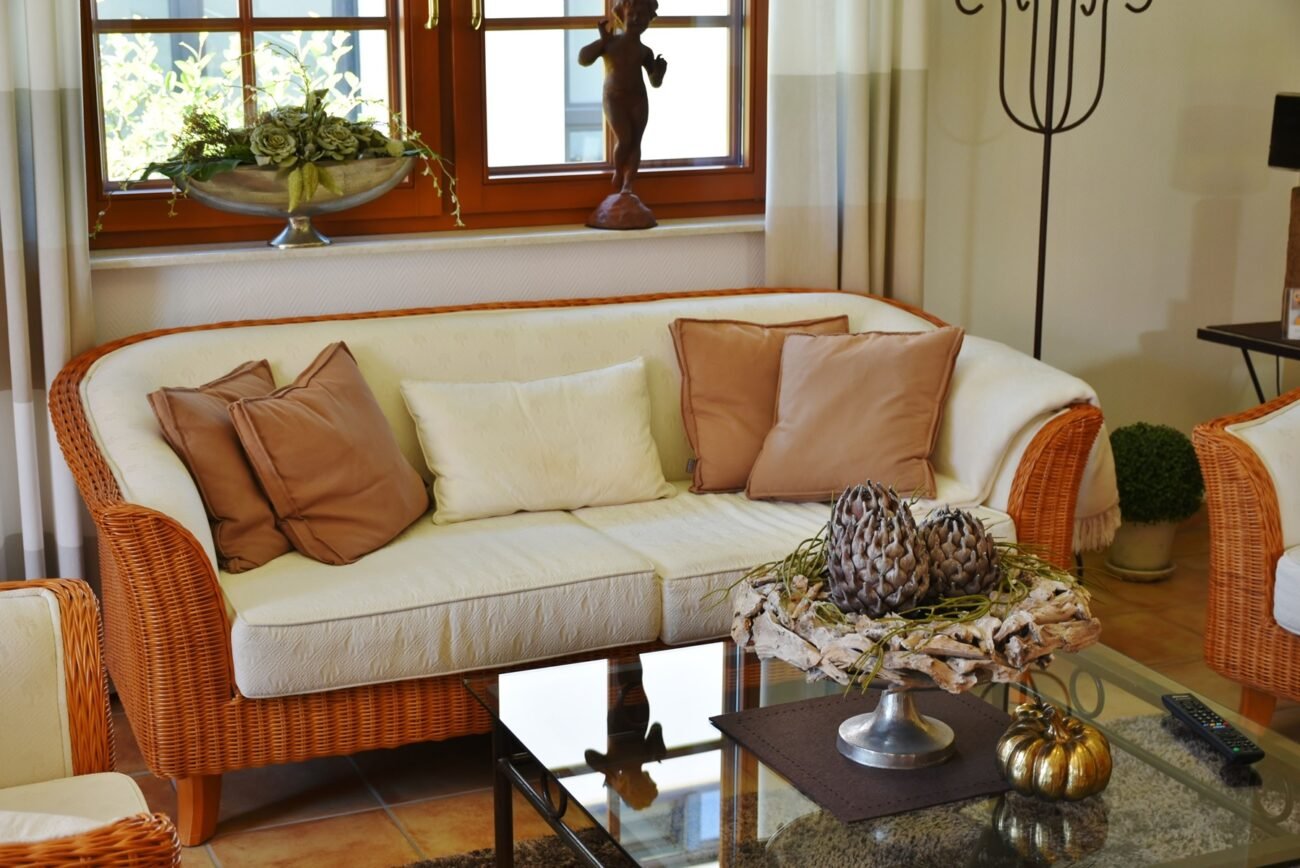
Brown and cream create a warm, inviting atmosphere that feels comfortable throughout the year. These earthy colours complement traditional, rustic, and contemporary interiors.
Choose chocolate brown furniture alongside cream walls and soft furnishings. Alternatively, incorporate caramel accents for a lighter, more relaxed appearance.
Moreover, wooden coffee tables and woven accessories enhance the natural aesthetic. Warm lighting also helps create a welcoming environment for family gatherings.
6. Blue and White for a Fresh Appearance
Blue and white provide a refreshing colour combination for bright, airy living rooms. From pale blue to deep navy, different shades create distinctive moods.
Light blue walls work beautifully with white sofas and sheer curtains. Meanwhile, navy cushions introduce contrast without dominating the space.
Additionally, silver accessories and glass furniture can enhance the modern aesthetic. Choose natural textures if you prefer a softer, more relaxed interior.
7. Terracotta and Beige for Warmth
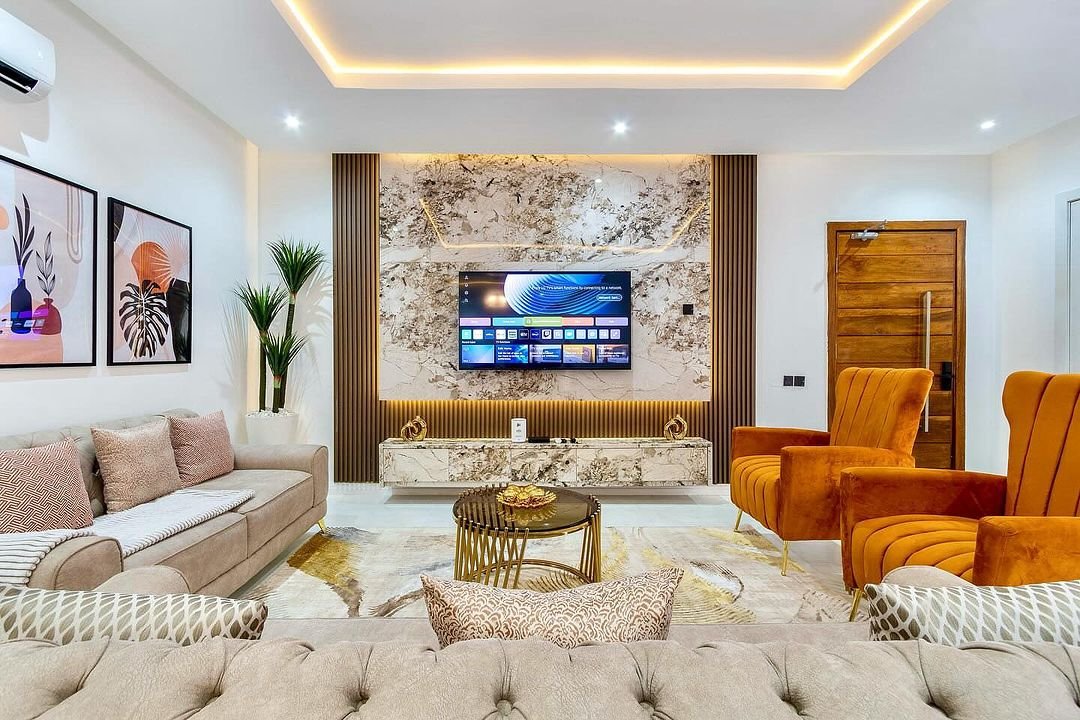
Terracotta and beige bring earthy character and contemporary style into your living room. This combination works especially well with Mediterranean, bohemian, and modern interiors.
Terracotta introduces warmth through its rich, reddish-orange tones. Meanwhile, beige keeps the palette balanced and prevents excessive visual intensity.
Consider terracotta cushions, decorative pottery, or an accent wall. Pair these elements with beige upholstery and wooden furniture for a cohesive look.
Furthermore, indoor plants and natural fabrics can complete this inviting colour scheme.
8. Black and White for Classic Contrast
Black and white create a timeless colour combination that never loses its appeal. This monochromatic palette suits minimalist, industrial, and contemporary living rooms.
White walls establish brightness, while black accents introduce definition. For example, choose a white sofa with black cushions and a matching coffee table.
However, balance is essential when using darker elements. Too much black can make a small room feel enclosed.
Therefore, incorporate mirrors, layered lighting, and light-coloured flooring. These features maintain visual balance while preserving the dramatic effect.
9. Blush Pink and Grey for Soft Sophistication
Blush pink and grey create a gentle, elegant atmosphere without appearing overly decorative. This pairing works beautifully in contemporary apartments and modern family homes.
Choose pale grey walls with blush pink cushions or an accent chair. Alternatively, introduce pink through artwork, throws, and decorative accessories.
Meanwhile, metallic finishes and cream textiles add further sophistication. Keep the accessories simple to maintain a refined appearance.
10. Mustard Yellow and Charcoal Grey for Bold Style
Mustard yellow and charcoal grey create a confident, contemporary living room. This combination adds personality while maintaining a balanced, sophisticated look.
Charcoal grey provides a strong foundation, while mustard yellow introduces warmth and energy. Together, these shades create an attractive contrast.
Use a charcoal sofa with mustard cushions or a statement armchair. Additionally, introduce light-coloured walls to prevent the room from feeling too dark.
Wooden furniture and simple decorative accessories can complete this bold colour scheme.
How to Choose the Best Living Room Colour Combination
Selecting suitable colours requires more than following current interior design trends. Consider your room’s size, lighting, furniture, and preferred atmosphere.
Consider natural lighting: Rooms with limited daylight often benefit from lighter, warmer shades. Conversely, brighter spaces can accommodate deeper colours.
Think about room size: Pale colours can make compact living rooms feel more open. However, darker shades can create intimacy when used thoughtfully.
Match existing furniture: Choose wall colours that complement your sofa, flooring, curtains, and decorative pieces. This approach creates a cohesive interior.
Follow the 60-30-10 rule: Use one dominant colour for approximately 60% of the room. Add a secondary colour for 30% and an accent colour for the remaining 10%.
Test colours before painting: Paint samples can look different under natural and artificial lighting. Therefore, observe your chosen shades throughout the day before making a final decision.
Final Thoughts
The best living room colour combinations balance beauty, comfort, and personal style. From timeless neutrals to bold contemporary palettes, every combination offers unique possibilities.
Ultimately, choose colours that complement your furniture and suit your lifestyle. Introduce texture, lighting, and decorative accessories to enhance the finished design.
With thoughtful planning, you can create a stylish and inviting living room that feels like home.
At Beveledge Interior Designs, we design and manufacture furniture tailored to your lifestyle.
If you have any interior or furniture concerns, we are happy to offer a complimentary consultation. You are also welcome to visit our showrooms for inspiration or speak with our team directly
Leave a comment