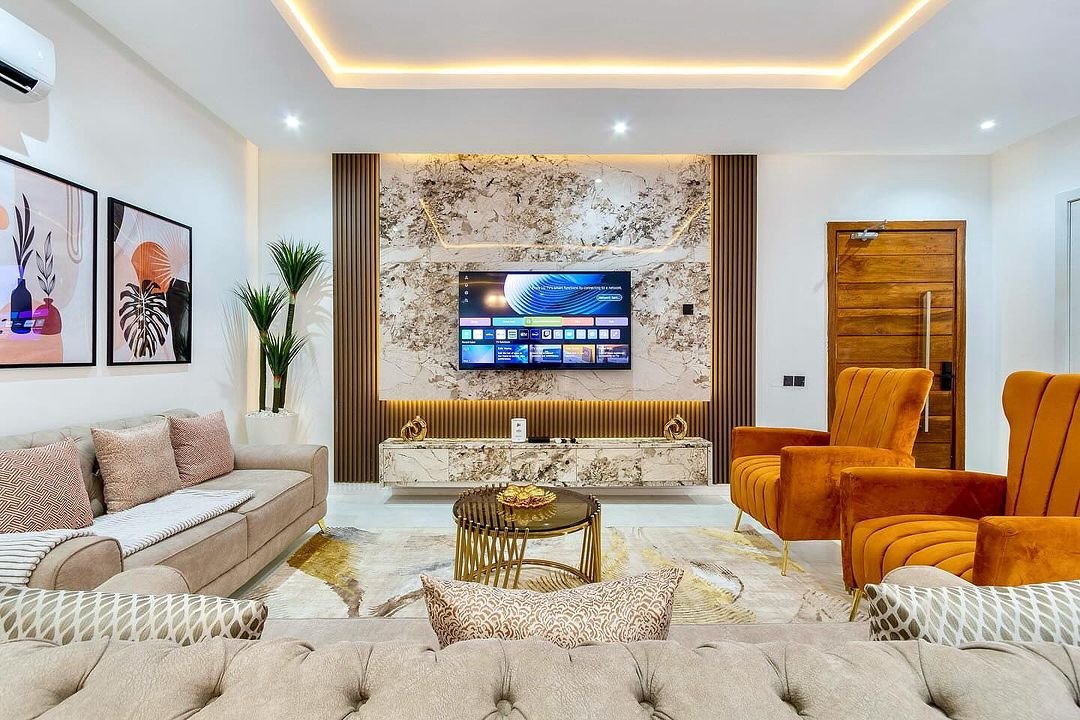
Bedroom Furniture Mistakes

5 Bedroom Furniture Mistakes That Are Ruining Your Sleep (And How to Fix Them)

If you’ve been tossing and turning at night, your furniture might be to blame. Most people think sleep problems come from stress or lifestyle habits, but your bedroom setup plays a much bigger role than you’d expect. From the wrong mattress to cluttered layouts, simple furniture mistakes can quietly destroy your sleep quality. The good news? Fixing them is easier than you think.

Let’s break down the top five bedroom furniture mistakes and how to solve them so you can finally enjoy deep, restful sleep.


Mistake #1 – Choosing the Wrong Mattress

Signs Your Mattress Is Hurting Your Sleep

Is your back stiff every morning? Do you wake up feeling like you didn’t sleep at all? A bad mattress is usually the culprit. Sagging, lumps, or uneven support are all red flags. If you find yourself constantly shifting positions trying to get comfortable, it’s time for a change.

Why Firmness and Support Matter

Think of your mattress as the foundation of your entire sleep experience. Too soft, and your spine sinks; too firm, and pressure builds on your joints. The ideal mattress should support your natural spine alignment while still feeling comfortable.

How to Pick the Perfect Mattress

  • Choose memory foam for close body contouring

  • Pick hybrid mattresses for a mix of support and bounce

  • Test multiple firmness levels before buying

  • Replace your mattress every 7–10 years

Investing in the right mattress is the fastest way to upgrade your sleep instantly.


Mistake #2 – Oversized Furniture Crowding the Room

How Clutter Affects Your Sleep Quality

A crowded bedroom feels chaotic. When your brain sees clutter, it stays alert rather than relaxing. Oversized wardrobes, giant dressers, or a king-size bed in a tiny room can make the space feel cramped and stressful.

Ideal Bedroom Layout for Better Sleep

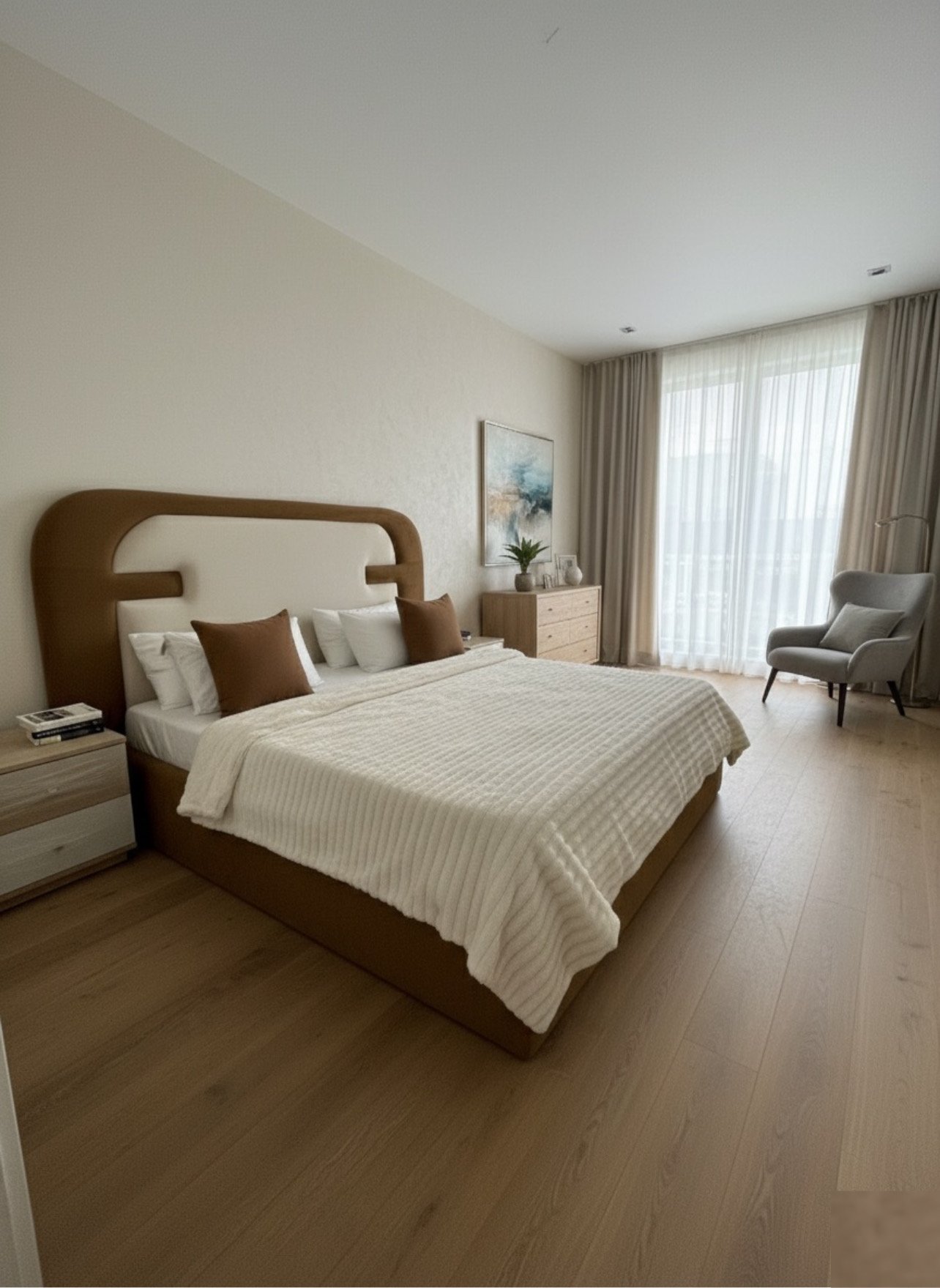
Your bed should be the star of the room—not squeezed between walls. Leave space on both sides of the bed for balance and airflow. Make sure you can walk easily around the room without bumping into furniture.

Space-Saving Furniture Ideas

  • Wall-mounted shelves

  • Floating nightstands

  • Under-bed storage

  • Compact wardrobes with sliding doors

Small adjustments can completely transform how your room—and your mind—feels at bedtime.


Mistake #3 – Low or Unstable Bed Frames

Why Bed Height Affects Your Body

If your bed is too low, getting in and out becomes a workout. This puts unnecessary pressure on your back and knees. A balanced height (around knee-level) helps you move naturally and comfortably.

Dangers of Unstable Frames

A shaky, squeaky frame doesn’t just ruin sleep; it creates subconscious stress. Every creak signals movement, waking your brain and pulling you out of deep sleep cycles.

How to Choose a Solid, Sleep-Friendly Bed Frame

  • Choose hardwood or metal frames for durability

  • Avoid cheap materials that warp over time

  • Make sure slats are sturdy and evenly spaced

  • Check weight capacity if you use a heavy mattress

A stable frame equals more stable sleep.


Mistake #4 – Poor Storage Choices Creating Clutter

Hidden Clutter vs Visible Clutter

Even if your bedroom looks tidy, hidden clutter (like stuffed drawers or piled-up wardrobes) still weighs on your mind. Clutter increases anxiety, making it harder to drift off.

Furniture That Improves Organization

Choose furniture that does double-duty:

  • Beds with built-in drawers

  • Ottomans with storage

  • Tall dressers instead of wide ones

  • Multi-compartment wardrobes

Everything needs a home—especially in a sleep sanctuary.

Minimalist Bedroom Tips for Relaxation

  • Keep only items you truly use

  • Stick to 2–3 essential furniture pieces

  • Hide cables and loose items

  • Use baskets or boxes for small objects

A clean space equals a calm mind.


Mistake #5 – Wrong Nightstand Size or Placement

Ergonomics of Nightstand Height

Your nightstand should be level with your mattress—not too high, not too low. If you have to reach awkwardly for your phone or lamp, your body strains, interrupting your relaxation.

Organizing Essentials Without Creating Chaos

Nightstands often become dumping grounds. The more cluttered it gets, the less restful your space feels. Keep only essentials:

  • A lamp

  • A book

  • Water

  • Glasses

  • A small décor item

Everything else? Store it or remove it.

Choosing a Nightstand That Enhances Sleep

Pick a nightstand that fits your room size. Narrow rooms need slimmer designs; spacious bedrooms can handle wider ones with drawers.


Bonus: Lighting Mistakes Connected to Furniture Layout

Why Lighting Impacts Sleep

Harsh or poorly placed lighting disrupts your sleep hormones. Bright overhead lights can overstimulate your brain right before bedtime.

How Furniture Placement Influences Lighting

Furniture can block natural light during the day or reflect artificial light at night. Position your bed so it avoids direct glare from lamps and windows.

Use warm bedside lamps to signal your brain that it’s time to wind down.


How to Create a Sleep-Optimized Bedroom

Furniture Choices That Promote Relaxation

  • Choose soft, rounded edges over sharp, angular furniture

  • Use natural materials like wood or bamboo

  • Incorporate breathable fabrics for bedding

These choices help create a warm, peaceful environment.

Ideal Colour Schemes and Textures

Stick to calming colours:

  • Soft blues

  • Neutral tones

  • Earthy greens

  • Warm beiges

Use textures like cotton, linen, or velvet to add depth and comfort.


Conclusion

Your bedroom should feel like a retreat, not a source of stress. By avoiding these five common furniture mistakes—and making a few smart adjustments—you can transform your space into a sleep haven. Better furniture choices lead to better sleep, and better sleep leads to a better you.

Invest in a room that helps you rest, recharge, and wake up refreshed every day.

Small Bedroom, Big Style: Space-Saving Furniture That Transforms Tiny Rooms

Living in a small bedroom doesn’t mean you have to sacrifice style or functionality. Whether you’re in a studio apartment, a college dorm, or a cozy city flat, the right furniture can completely transform how your space looks and feels. Have you ever walked into a cramped room and felt instantly overwhelmed? That’s the power of poor space management. But here’s the good news: with clever space-saving furniture, even the tiniest bedroom can become a stylish, organized sanctuary.

Space-saving furniture isn’t just about fitting more stuff into less space. It’s about creating breathing room, establishing flow, and making your bedroom a place where you actually want to spend time. Think of it like solving a puzzle—every piece needs to fit perfectly to reveal the bigger picture. In this article, we’ll explore the best furniture solutions that’ll help you maximize every square inch without compromising on aesthetics.

Understanding the Small Bedroom Challenge

Common Problems in Tiny Bedrooms

Small bedrooms come with their own unique set of frustrations. There’s never enough closet space, your bed takes up half the room, and forget about having a dedicated workspace. You’re constantly playing Tetris with your belongings, and somehow, it still feels cluttered. Sound familiar?

The biggest issue most people face is trying to fit standard-sized furniture into undersized spaces. That queen bed might look perfect in the showroom, but in your 10×10 bedroom? It becomes a space-eating monster. Add a bulky dresser and a nightstand, and you’re left with barely enough room to walk around. The struggle is real, but it’s definitely solvable.

The Psychology of Space

Here’s something interesting: how we perceive space affects our mood and productivity. A cluttered, cramped bedroom can increase stress levels and make relaxation nearly impossible. Your brain needs visual breathing room to unwind properly. When everything feels tight and chaotic, your mental state mirrors that environment.

Creating the illusion of space is just as important as actual square footage. Strategic furniture placement, the right color palette, and smart storage solutions can trick your brain into thinking a room is larger than it really is. It’s not magic—it’s psychology meeting design.

The Magic of Multifunctional Furniture

What Makes Furniture Multifunctional?

Multifunctional furniture is the superhero of small spaces. These pieces serve multiple purposes, eliminating the need for separate items. A bed that also provides storage? Check. A desk that folds into the wall? Absolutely. This type of furniture adapts to your needs throughout the day, transforming your bedroom from sleeping quarters to workspace to entertainment zone.

The beauty of multifunctional pieces lies in their versatility. Instead of owning five separate furniture items, you might only need two or three that pull double or triple duty. This approach doesn’t just save physical space—it also saves money and reduces visual clutter.

Benefits Beyond Space Saving

Beyond the obvious space advantages, multifunctional furniture offers flexibility. Your lifestyle might change—maybe you start working from home or decide to host overnight guests more often. Convertible furniture adapts to these shifts without requiring a complete room overhaul.

There’s also an environmental angle. Buying fewer pieces means less manufacturing, less shipping, and ultimately less waste. Plus, quality multifunctional furniture tends to be built to last, making it a sustainable choice for conscious consumers.

Essential Space-Saving Furniture Pieces

Murphy Beds: The Ultimate Space Transformer

Murphy beds are legendary for good reason. During the day, they fold up into the wall or a cabinet, freeing up massive amounts of floor space. Modern Murphy beds have come a long way from their clunky ancestors—today’s versions are sleek, easy to operate, and incredibly sturdy.

Some Murphy bed systems come with built-in shelving, desks, or even sofas attached to the underside. When you lift the bed, you reveal a fully functional living area. It’s like having two rooms in one, and for studios or tiny bedrooms, this transformation is absolutely game-changing.

Storage Beds That Hide Clutter

Storage beds feature drawers or lift-up platforms underneath the mattress, turning wasted space into valuable storage real estate. You can stash everything from extra linens to off-season clothing, keeping these items accessible but out of sight.

Platform beds with built-in drawers are particularly popular because they eliminate the need for a separate dresser. The storage is integrated seamlessly into the bed frame, maintaining clean lines and a minimalist aesthetic. No more shoving boxes under your bed—now everything has a proper home.

Wall-Mounted Desks and Folding Tables

Need a workspace but don’t have room for a traditional desk? Wall-mounted desks are your answer. These compact surfaces fold down when you need them and disappear when you don’t. They’re perfect for homework, laptop work, or even as a vanity table.

Folding tables offer similar flexibility. Some designs feature drop-leaf extensions that expand when you need extra surface area and contract when you don’t. This adaptability means you’re never committed to one configuration—your furniture works around your schedule, not the other way around.

Compact Wardrobes and Armoires

Traditional closets often waste vertical space or lack proper organization. Compact armoires and modular wardrobe systems maximize every inch with adjustable shelving, hanging rods at different heights, and built-in drawers.

Look for narrow, tall pieces that capitalize on vertical space rather than sprawling wide. Some modern wardrobes even feature mirrored doors, which serve the dual purpose of storage and making your room feel larger through reflection.

Vertical Storage Solutions

Floor-to-Ceiling Shelving

When floor space is limited, the only direction to go is up. Floor-to-ceiling shelving units draw the eye upward, creating the illusion of height while providing tons of storage. These shelves can hold books, decorative items, storage boxes, and more.

The key is keeping the lower shelves practical and accessible while using upper shelves for items you don’t need daily. This tiered approach prevents your room from feeling top-heavy while maximizing storage capacity. Plus, tall shelving units create vertical lines that make ceilings appear higher.

Hanging Organizers and Wall Hooks

Don’t underestimate the power of walls. Hanging organizers, pegboards, and strategic hook placement can clear surfaces and floors significantly. Behind-the-door organizers are especially valuable—they utilize space that would otherwise go completely unused.

Wall hooks aren’t just for coats. Use them for bags, accessories, headphones, or even folding chairs. The more you can get off the floor and onto walls, the more open and spacious your room will feel. Just be mindful not to over-clutter your walls, as too many visual elements can have the opposite effect.

Furniture with Hidden Storage

Ottoman Beds and Storage Benches

Ottomans and benches with hidden storage compartments are incredibly versatile. Place one at the foot of your bed for seating and shoe storage, or use it as a coffee table alternative in a studio setup. The lid lifts to reveal ample storage for blankets, magazines, or whatever you need to tuck away.

These pieces blend seamlessly into any décor style, from modern minimalist to cozy traditional. They’re proof that storage solutions don’t have to look utilitarian—they can be beautiful and functional simultaneously.

Nightstands with Drawers

Nightstands serve as bedside command centers, but the surface area alone isn’t enough. Choose nightstands with multiple drawers or shelves to maximize storage. Some models even feature charging stations or cord management systems built right in.

Wall-mounted floating nightstands are another excellent option. They provide surface space and storage without taking up valuable floor area, and they make cleaning underneath much easier. This floating effect also contributes to that airy, spacious feeling we’re after.

Smart Layout Strategies

Corner Utilization

Corners are frequently neglected in bedroom layouts, yet they offer prime real estate for furniture placement. Corner desks, triangular shelves, and L-shaped configurations make use of these awkward spaces without interrupting traffic flow.

A corner reading nook with a small chair and floor lamp can become your favorite spot in the house. Or install corner shelving to display plants and decorative items. The goal is ensuring no space goes to waste, and corners definitely qualify as untapped potential.

Creating Zones in Small Spaces

Even in a tiny bedroom, you can create distinct zones for different activities. Use furniture placement, area rugs, or even subtle lighting changes to define sleeping, working, and dressing areas. This psychological separation helps your brain associate different parts of the room with different functions.

For example, position your bed against one wall, place your desk on the opposite side, and use a bookshelf or curtain as a visual divider. This creates the impression of separate rooms within one space, making the bedroom feel more organized and purposeful.

Color and Design Tricks

Light Colors for Visual Expansion

Color psychology plays a huge role in how spacious a room feels. Light, neutral colors reflect more light and make walls appear to recede, creating the illusion of more space. Whites, soft grays, pale blues, and gentle pastels are all excellent choices for small bedrooms.

This doesn’t mean your room has to be boring or sterile. Use varying shades of the same color family to add depth and interest. Texture also becomes more important in monochromatic schemes—think linen bedding, woven baskets, and soft rugs to add visual richness without overwhelming the space.

Mirrors: Your Best Friend

Mirrors are the oldest trick in the small-space handbook, and they work beautifully. A large mirror or a wall of mirrored closet doors reflects light and creates the perception of double the space. Position mirrors opposite windows to maximize natural light reflection throughout the room.

Mirrored furniture pieces, like a dresser or nightstand with mirrored surfaces, add glamour while enhancing brightness. Just avoid going overboard—too many reflective surfaces can feel disorienting rather than spacious.

Modular and Convertible Furniture

Sofa Beds for Guest Accommodation

Who says you can’t have overnight guests in a small bedroom? Sofa beds have evolved tremendously from the uncomfortable pull-outs of yesteryear. Modern designs offer genuine comfort and style, functioning as attractive seating during the day and transforming into proper beds at night.

Look for sofa beds with memory foam mattresses and sturdy frames. Some models even include storage compartments underneath, giving you triple functionality in one piece. When you’re tight on space but big on hospitality, a quality sofa bed is invaluable.

Stackable and Nesting Furniture

Stackable chairs, nesting tables, and collapsible furniture give you options without permanent commitment. Need extra seating when friends visit? Pull out the stackable stools. Want a larger work surface? Nest your tables together. When the gathering’s over, everything stacks away neatly.

This type of furniture is particularly brilliant for people who live alone but occasionally entertain. You’re not sacrificing daily living space for occasional needs—you’re adapting your environment as situations demand.

Technology-Integrated Furniture

Smart Beds with Built-In Features

Technology has infiltrated furniture design in the best possible way. Smart beds now feature USB charging ports, adjustable bases controlled by apps, built-in speakers, and even sleep-tracking capabilities. These features eliminate the need for separate devices cluttering your nightstand.

Some high-tech bed frames include LED lighting underneath, creating ambient illumination that’s both practical and atmospheric. Imagine never stubbing your toe on a midnight bathroom trip again—that’s the beauty of thoughtfully integrated technology.

LED-Lit Storage Solutions

Storage doesn’t have to be dark and mysterious. LED-lit shelving and closet systems illuminate your belongings, making everything easier to find while adding a modern, boutique-like ambiance to your bedroom. Motion-sensor lights in drawers and closets are especially convenient.

These lighting solutions serve a practical purpose while doubling as design elements. A backlit bookshelf or illuminated wardrobe becomes a statement piece, proving that functional furniture can absolutely be beautiful.

Budget-Friendly Space-Saving Options

DIY Solutions

You don’t need a massive budget to transform your small bedroom. DIY projects offer customized solutions at a fraction of retail prices. Build your own platform bed with storage underneath, create floating shelves from reclaimed wood, or repurpose crates into stylish storage cubes.

Pinterest and YouTube are goldmines for DIY furniture tutorials. With basic tools and some weekend time, you can create pieces perfectly tailored to your space’s dimensions. Plus, there’s something deeply satisfying about sleeping in a bed or working at a desk you built yourself.

Affordable Brands and Retailers

Budget-conscious shoppers have more options than ever. Retailers like IKEA specialize in space-saving furniture at accessible price points. Their modular systems allow you to customize configurations as your needs and budget evolve.

Thrift stores, estate sales, and online marketplaces often yield hidden gems—quality pieces at bargain prices. A little paint or new hardware can transform a secondhand find into something that looks custom and expensive. Shopping smart doesn’t mean settling for less; it means being creative and patient.

Styling Tips for Maximum Impact

Minimalist Approach

In small bedrooms, less really is more. A minimalist approach doesn’t mean cold or empty—it means intentional. Every item in your room should either serve a purpose or bring you genuine joy. This edited approach prevents visual overwhelm and makes your space feel serene.

Choose quality over quantity. One beautiful piece of art makes more impact than a cluttered gallery wall. A single statement plant breathes more life into a room than a dozen struggling succulents. Curate your space like a boutique hotel—everything present has earned its place.

Personal Touches Without Clutter

Your bedroom should reflect your personality, even within space constraints. Select a few meaningful items—photos, artwork, collectibles—and display them thoughtfully. Use floating shelves or a dedicated display area rather than scattering items everywhere.

Rotate decorative pieces seasonally to keep your space feeling fresh without acquiring more stuff. This approach lets you enjoy all your treasures over time without cramming them all into view simultaneously. It’s about quality of display, not quantity of objects.

Common Mistakes to Avoid

Overfurnishing

The biggest mistake in small bedroom design is trying to cram in too much furniture. Not every room needs a nightstand on both sides of the bed, a dresser, a desk, and a reading chair. Evaluate what you genuinely need versus what you think you should have.

Sometimes, removing furniture actually makes a space more functional. That bulky dresser might be taking up valuable floor space when a storage bed could handle your clothing needs. Challenge conventional room setups and think creatively about your actual lifestyle requirements.

Ignoring Vertical Space

Many people focus exclusively on floor space while leaving walls bare. This is a huge missed opportunity. Vertical storage, wall-mounted furniture, and tall shelving units are game-changers for small bedrooms.

Installing hooks, shelves, and hanging organizers requires minimal effort but yields maximum results. Every inch of wall space is potential storage or display area—use it wisely, and your floor will thank you with the gift of openness.

Transforming a small bedroom into a stylish, functional space isn’t about fighting against limitations—it’s about embracing them as creative challenges. Space-saving furniture gives you the power to live comfortably without feeling cramped or sacrificing your personal style. From Murphy beds that disappear into walls to storage solutions hiding in plain sight, today’s furniture options are smarter than ever.

Remember, the key is thinking vertically, choosing multifunctional pieces, and being intentional about what enters your space. Your small bedroom has enormous potential waiting to be unlocked. With the right furniture and layout strategies, you’ll create a room that feels twice its actual size while reflecting your unique personality. Size isn’t everything—it’s what you do with the space that truly matters.

How to Choose the Perfect Bed Frame That Will Last Years

Shopping for a bed frame shouldn’t feel like rocket science, but somehow it does, right? You walk into a store or browse online, and suddenly you’re drowning in options—wood, metal, upholstered, platform, storage. The list goes on. Here’s the thing: your bed frame isn’t just a piece of furniture that holds your mattress off the ground. It’s the foundation of your sleep sanctuary, and choosing the wrong one can lead to squeaky nights, sagging support, or worse—a frame that breaks down in just a couple of years.

So how do you pick a bed frame that’ll actually last? Let’s break it down together.

Why Your Bed Frame Choice Matters More Than You Think

Think about it—you spend roughly a third of your life in bed. That’s a lot of pressure on your bed frame, literally and figuratively. A quality frame doesn’t just support your mattress; it supports your body, your sleep quality, and even your bedroom aesthetic. A flimsy frame can cause your mattress to wear unevenly, lead to annoying noises every time you move, and even pose safety risks if it collapses.

Investing in a durable bed frame means you’re setting yourself up for years of solid sleep without the hassle of replacements or repairs. It’s one of those purchases where quality genuinely pays off over time.

Understanding Different Bed Frame Materials

Not all bed frames are created equal, and the material you choose plays a massive role in longevity.

Wooden Bed Frames – Timeless and Sturdy

Wood has been the go-to material for bed frames for centuries, and there’s a good reason for that. Hardwoods like oak, maple, and walnut offer incredible strength and can handle heavy weight without bending or breaking. They also bring a warm, classic look to any bedroom.

But here’s the catch: not all wooden frames are made from solid wood. Some use particle board or MDF (medium-density fiberboard), which can chip, warp, or break down much faster. If you’re going wooden, look for solid hardwood construction or at least high-quality plywood for the best durability.

Metal Bed Frames – Modern and Durable

Metal frames, typically made from steel or wrought iron, are champions of durability. They can support tremendous weight, resist warping, and often come with minimalist, modern designs that work in various bedroom styles. Plus, they’re usually lighter and easier to move than wooden frames.

The downside? Cheaper metal frames can squeak over time as joints loosen, and they might not offer the same aesthetic warmth as wood. Look for frames with welded joints rather than bolted ones for better long-term stability.

Upholstered Bed Frames – Comfort Meets Style

Upholstered frames wrap the frame structure in fabric, faux leather, or genuine leather, creating a plush, luxurious look. They’re incredibly comfortable if you like sitting up in bed to read or watch TV since you can lean back against the soft headboard.

However, durability depends heavily on both the frame underneath and the upholstery quality. The fabric can wear, stain, or tear over time, especially with pets or kids. The internal frame—usually wood or metal—determines the actual longevity, so don’t be fooled by a pretty exterior.

Platform vs. Traditional Frames

Platform frames have built-in support slats, eliminating the need for a box spring. They sit lower to the ground and offer a sleek, contemporary vibe. Traditional frames typically require a box spring and sit higher.

Platform frames tend to be more durable for the simple fact that there are fewer moving parts and components that can fail. However, both can last decades if constructed properly.

Key Features to Look for in a Long-Lasting Bed Frame

Beyond materials, certain features separate frames that last from those that don’t.

Weight Capacity and Structural Support

Check the manufacturer’s weight capacity rating. A quality frame should comfortably support at least 600-800 pounds for a queen or king size—that’s the combined weight of two adults, a mattress, and bedding, plus a safety margin.

Frames with inadequate weight capacity will bow, bend, or break prematurely. If the listing doesn’t mention weight capacity, that’s often a red flag.

Quality of Construction and Joints

How the frame is put together matters enormously. Look for:

  • Dovetail or mortise-and-tenon joints in wooden frames (these are incredibly strong traditional joinery methods)
  • Welded joints in metal frames rather than just bolted connections
  • Reinforced corners that won’t separate under stress
  • Thick, solid materials rather than thin panels or tubes

Avoid frames held together primarily by cam locks or cheap hardware—these loosen over time and create wobbles and squeaks.

Center Support Bar Importance

This is huge and often overlooked.

Why Center Support Matters for Queen and King Beds

Larger mattresses need additional support in the middle. Without a center support bar (or multiple support legs running down the middle), the frame will sag over time, damaging both the frame and your mattress. This is especially critical if you have a memory foam or hybrid mattress that’s already quite heavy.

Quality frames for queen and king sizes should have a center support bar with at least one or two legs extending to the floor. This simple feature can add years to your frame’s lifespan.

Bed Frame Styles and Their Longevity

Different styles offer different advantages when it comes to durability.

Sleigh Beds

These feature curved headboards and footboards that resemble a sleigh. They’re typically made from solid wood and are quite sturdy, but their ornate design means more potential points of stress. High-quality sleigh beds last decades, but cheaper versions can develop cracks in the curved portions.

Four-Poster Beds

Classic and elegant, four-poster beds with vertical posts at each corner are generally very stable since the posts act as additional support. Just make sure the posts are solid wood or thick metal, not hollow tubes.

Storage Beds

These incorporate drawers or lift-up storage beneath the mattress. While incredibly practical, the added mechanisms and moving parts mean more potential failure points. Look for storage beds with solid drawer construction and smooth, metal glide systems rather than cheap plastic tracks.

Adjustable Bed Frames

These motorized frames let you elevate your head or feet. They’re becoming more popular, especially for people with certain health conditions. Durability depends heavily on the motor quality and warranty. Expect to pay significantly more for a frame that’ll last a decade or more.

Size Matters – Choosing the Right Dimensions

This might seem obvious, but make sure your frame actually fits your mattress properly. A frame that’s too small won’t support the edges adequately, leading to premature mattress wear. One that’s too large looks awkward and might not provide proper edge support either.

Also, consider your room size. A massive king frame might overwhelm a small bedroom, and you’ll need to navigate around it constantly, potentially bumping into and damaging it over time.

Budget Considerations Without Compromising Quality

Here’s the reality: a quality bed frame is an investment. You can find decent options starting around $200-$300, but frames built to truly last often range from $400-$1,000 or more.

That said, expensive doesn’t automatically mean durable. Focus on the features we’ve discussed rather than just the price tag. Sometimes mid-range frames from reputable manufacturers outperform luxury brands that prioritize aesthetics over engineering.

Think of it this way—if a $600 frame lasts 15 years and a $200 frame lasts 3 years, which is really the better deal? Exactly.

Brand Reputation and Warranty Coverage

Research matters. Look for brands with established reputations for quality furniture. Read reviews, but be smart about it—look for patterns in complaints rather than isolated incidents.

Warranty coverage tells you a lot about a manufacturer’s confidence in their product. Quality frames typically come with warranties ranging from 5 years to lifetime coverage. If a company only offers a 1-year warranty, they’re essentially telling you the frame probably won’t last much longer than that.

Assembly Requirements and Long-Term Maintenance

Some frames arrive fully assembled, while others require significant DIY work. Neither is inherently better, but complex assembly with lots of hardware can create more potential loose connections down the road.

For maintenance, wooden frames benefit from occasional tightening of bolts and screws. Metal frames need periodic checks for rust, especially in humid climates. Upholstered frames should be vacuumed regularly to prevent dust buildup.

The easier a frame is to maintain, the more likely you’ll actually do it, which extends its life.

Matching Your Bed Frame to Your Mattress Type

Your mattress type influences which frame works best:

  • Memory foam and latex: These heavier mattresses need sturdy support with minimal gaps between slats (no more than 3 inches apart)
  • Innerspring: More flexible with frame types, but still benefits from good center support
  • Hybrid: Treat these like memory foam—they need robust, close-slat support
  • Adjustable mattresses: Obviously require adjustable frames specifically designed for them

Using the wrong frame can void your mattress warranty, so check your mattress manufacturer’s requirements.

Common Mistakes to Avoid When Buying a Bed Frame

Let’s talk about what not to do:

  1. Focusing only on appearance: A gorgeous frame that breaks in two years is a bad investment
  2. Ignoring weight capacity: This leads to premature failure
  3. Skipping reviews: Other buyers’ experiences are invaluable
  4. Buying without measuring: Make sure it fits your room and mattress
  5. Assuming expensive means quality: Not always true—examine the construction
  6. Forgetting about ceiling height: Some tall headboards might not fit in rooms with low ceilings

How to Test a Bed Frame Before Purchasing

If you’re shopping in person, don’t be shy:

  • Shake it: A quality frame won’t wobble or creak when you push on it
  • Sit on the edge: The corners and sides should feel solid, not flimsy
  • Check the weight: Substantial frames generally last longer (though not always the case)
  • Inspect joints and connections: Look for solid construction methods
  • Lie down if possible: Test how it feels and sounds with actual weight on it

For online purchases, scrutinize photos, specifications, and return policies. Many companies offer trial periods—take advantage of them.

Environmental Considerations and Sustainable Options

If sustainability matters to you, look for:

  • FSC-certified wood: Ensures responsible forest management
  • Recycled metal frames: Just as durable as new metal
  • Non-toxic finishes: Better for indoor air quality
  • Locally made options: Reduces transportation emissions

Sustainable doesn’t mean sacrificing durability—in fact, companies focused on sustainability often build products designed to last longer, reducing waste.

Final Thoughts on Making the Right Investment

Choosing a bed frame that’ll last years isn’t about finding the most expensive option or the trendiest design. It’s about understanding materials, construction quality, and your specific needs. A well-chosen frame supports not just your mattress, but your overall sleep experience and bedroom environment.

Take your time with this decision. Measure carefully, read reviews thoroughly, and don’t be afraid to ask questions. Whether you prefer the warmth of wood, the sleekness of metal, or the luxury of upholstery, there’s a durable option out there for you.

Remember, your bed frame is the foundation of good sleep. Invest wisely, and it’ll support you through countless restful nights for years to come.


Conclusion

Finding the perfect bed frame that stands the test of time doesn’t have to be overwhelming. By focusing on quality materials, solid construction, appropriate support features, and matching the frame to your specific mattress and lifestyle needs, you’re setting yourself up for success. Don’t rush this decision—your future self will thank you when you’re still sleeping soundly on a stable, squeak-free frame a decade from now. Quality bed frames are investments in your daily comfort and long-term satisfaction, so choose wisely and sleep well.

Science of Sleep

The Science of Sleep: Why Your Bedroom Furniture Choices Affect Your Health

Your Bedroom Is More Than Just a Room

Have you ever wondered why you sleep like a baby at a luxury hotel but toss and turn in your own bed? The secret might not be in the thread count of the sheets or the chocolate on the pillow. It’s likely in the furniture itself. Your bedroom furniture isn’t just about aesthetics or storage—it’s a critical component of your overall health and wellbeing.

We spend roughly a third of our lives sleeping, yet most of us give more thought to choosing our smartphones than selecting our mattresses. That’s a problem. The furniture surrounding you during those precious hours of rest can either promote restorative sleep or sabotage it entirely. From the mattress that supports your spine to the nightstand that holds your phone, every piece plays a role in the quality of your sleep—and by extension, your health.

Let’s dive into the fascinating science behind how your bedroom furniture choices impact everything from your back pain to your breathing, your stress levels to your immune system.

Understanding the Science Behind Quality Sleep

The Sleep Cycle and Its Importance

Before we talk furniture, let’s understand what happens when you sleep. Your body doesn’t just “turn off” for the night. Instead, you cycle through different stages of sleep, including light sleep, deep sleep, and REM (rapid eye movement) sleep. Each stage serves specific functions—from consolidating memories to repairing tissues and regulating hormones.

Deep sleep is when your body does its most intensive repair work. Your immune system strengthens, muscles recover, and growth hormones are released. REM sleep, on the other hand, is crucial for cognitive functions like learning and emotional regulation. Interrupting these cycles—even if you don’t fully wake up—can leave you feeling groggy, irritable, and less healthy over time.

How Environmental Factors Impact Sleep Quality

Your sleep environment acts as either a facilitator or an obstacle to these natural cycles. Temperature, light exposure, noise levels, and air quality all influence how easily you fall asleep and how well you stay asleep. But here’s what many people overlook: your furniture is the primary mediator of these environmental factors.

Think about it. Your mattress regulates temperature against your skin. Your bed frame determines airflow underneath you. Your dresser might be off-gassing chemicals into the air you breathe. Your nightstand dictates where you place sleep-disrupting devices. Every furniture choice creates a ripple effect on your sleep environment.

The Connection Between Furniture and Sleep Health

Why Your Bedroom Setup Matters

The bedroom furniture industry has exploded with ergonomic designs, smart technologies, and health-focused innovations—and for good reason. Research consistently shows that physical comfort directly correlates with sleep quality. When your body is properly supported and your environment is optimized, you fall asleep faster, experience fewer disruptions, and wake up more refreshed.

But it’s not just about comfort in the traditional sense. The right furniture choices can reduce chronic pain, minimize allergen exposure, improve respiratory function, and even support mental health by creating a calming, organized space.

The Psychology of Sleep Environments

There’s also a powerful psychological component to bedroom furniture. Our brains are remarkably good at associating spaces with activities. When your bedroom contains work desks, exercise equipment, or entertainment centers, your brain receives mixed signals. Is this a place for activity or rest?

Strategic furniture placement and selection help establish clear boundaries. A bedroom dedicated primarily to sleep—with furniture that supports this purpose—trains your brain to associate the space with relaxation. This psychological priming makes falling asleep easier and can even help with conditions like insomnia.

Your Mattress: The Foundation of Healthy Sleep

How Mattress Firmness Affects Spinal Alignment

Let’s start with the most obvious piece: your mattress. The human spine has natural curves that need support throughout the night. A mattress that’s too soft allows your hips and shoulders to sink too deeply, creating an unnatural bend in your spine. Too firm, and your spine can’t maintain its natural curvature, creating pressure points.

The result? You might wake up with back pain, neck stiffness, or numbness in your extremities. Over time, poor spinal alignment during sleep can contribute to chronic musculoskeletal problems. Studies show that medium-firm mattresses tend to work best for most people, though individual needs vary based on weight, sleep position, and existing health conditions.

Materials Matter: Memory Foam vs. Innerspring vs. Hybrid

Different mattress materials offer distinct health benefits and drawbacks. Memory foam contours to your body, distributing weight evenly and reducing pressure points. This can be especially beneficial for people with joint pain or arthritis. However, traditional memory foam can trap heat, potentially disrupting sleep for hot sleepers.

Innerspring mattresses offer better airflow and a bouncier feel but may not provide adequate pressure relief for side sleepers or those with chronic pain. Hybrid mattresses attempt to combine the best of both worlds, offering support where needed and cushioning where it counts.

Temperature Regulation and Sleep Comfort

Temperature regulation deserves special attention because your body temperature naturally drops during sleep. A mattress that retains too much heat can interfere with this process, making it harder to fall asleep and stay asleep. Modern mattress technologies—like gel-infused foams, phase-change materials, and breathable covers—address this issue by promoting airflow and heat dissipation.

Pillows: Small But Mighty Sleep Champions

The Right Pillow Height for Your Sleep Position

While mattresses get most of the attention, pillows are equally critical for spinal health. The wrong pillow can force your neck into an unnatural position for hours, leading to tension headaches, neck pain, and even affecting your breathing.

Back sleepers generally need thinner pillows that support the natural curve of the neck without pushing the head too far forward. Side sleepers require thicker pillows to fill the gap between the shoulder and head, keeping the spine aligned. Stomach sleepers—though this position isn’t ideal—need very thin pillows or none at all to avoid straining the neck.

Hypoallergenic Materials and Respiratory Health

Pillows accumulate dust mites, dead skin cells, and other allergens over time. For people with allergies, asthma, or other respiratory conditions, this can mean nightly exposure to triggers that disrupt sleep and worsen symptoms. Hypoallergenic pillow materials—such as latex, certain synthetic fills, or pillows with antimicrobial treatments—can significantly improve sleep quality and respiratory health.

Bed Frames and Their Hidden Health Benefits

Elevated vs. Platform Beds: What’s Better for You?

Bed frames might seem purely aesthetic, but they affect your sleep health in subtle ways. Elevated bed frames with proper slats or box springs provide better air circulation around your mattress, helping regulate temperature and prevent moisture buildup that encourages mold and dust mites.

Platform beds sit lower to the ground and often have solid bases. While they offer a sleek, modern look, they may not provide as much airflow. However, many modern platform beds include slats or ventilation systems that address this concern.

Storage Solutions and Dust Management

Bed frames with built-in storage can be a double-edged sword. While they maximize space efficiency, they can also accumulate dust in hard-to-clean areas. If you have allergies or asthma, this stored dust can become airborne when you move in bed, triggering symptoms. Choosing storage beds with sealed drawers or committing to regular cleaning can mitigate this issue.

Nightstands and Bedside Tables: More Than Convenience

Reducing Electromagnetic Interference

Here’s something you might not have considered: where you place your nightstand matters. Many people charge their phones, tablets, and other electronic devices on their nightstands, creating a concentration of electromagnetic fields (EMFs) near their heads while they sleep.

While research on EMF exposure during sleep is ongoing, some studies suggest potential links between high exposure and sleep disturbances. At minimum, having your phone within arm’s reach encourages late-night scrolling, exposing you to blue light that suppresses melatonin production. A thoughtfully placed nightstand can help you maintain healthy distance from these devices.

Creating a Clutter-Free Sleep Zone

Visual clutter creates mental clutter. When your nightstand overflows with books, medications, receipts, and random items, it contributes to a sense of chaos that can increase stress and make relaxation difficult. A simple nightstand with just essentials—perhaps a lamp, a book, and a glass of water—creates a more peaceful environment conducive to sleep.

The Role of Wardrobes and Dressers in Sleep Quality

Organization and Mental Clarity

Ever tried to sleep in a room with clothes piled on chairs and overflowing from open drawers? It’s harder than it should be. Visual disorder in your environment can translate to mental disorder, making it difficult for your brain to shift into rest mode.

Adequate wardrobe and dresser space allows you to maintain organization, which promotes a sense of control and calm. When your clothing and belongings have designated places, your bedroom becomes a sanctuary rather than a source of stress.

Material Off-Gassing and Air Quality

New furniture—especially pieces made with particleboard, MDF, or certain finishes—can release volatile organic compounds (VOCs) into the air. These chemicals, which include formaldehyde and benzene, can cause headaches, respiratory irritation, and sleep disruptions.

Solid wood furniture, pieces certified by organizations like GREENGUARD, or furniture that’s been properly aired out before use release fewer harmful chemicals. Given that you spend so much time in your bedroom, investing in low-VOC furniture is an investment in your respiratory health.

Lighting Fixtures as Furniture Elements

How Light Exposure Affects Melatonin Production

Your body’s sleep-wake cycle is regulated by melatonin, a hormone that increases in the evening to prepare you for sleep. Light exposure—particularly blue light—suppresses melatonin production, making it harder to fall asleep.

The lighting fixtures you choose for your bedroom matter enormously. Overhead lights with harsh, bright bulbs can keep you alert when you should be winding down. In contrast, bedside lamps with warm-toned, dimmable bulbs support your body’s natural transition to sleep.

Choosing Sleep-Friendly Lighting Options

Consider lighting as functional furniture. Table lamps with adjustable brightness, wall sconces with warm LED bulbs, or even smart lights that automatically dim as bedtime approaches can all support healthy sleep patterns. The key is having control over both the intensity and color temperature of your bedroom lighting.

Chairs and Seating in the Bedroom

Creating Boundaries Between Rest and Activity

That comfortable chair in the corner of your bedroom—is it helping or hurting your sleep? If you use it for working, eating, or other active tasks, you’re training your brain to associate your bedroom with wakefulness rather than rest.

However, a chair designated for pre-sleep routines—like reading before bed or putting on shoes in the morning—can actually support healthy sleep hygiene by creating structured transitions between activities and rest.

The Impact on Pre-Sleep Routines

A comfortable reading chair with good lighting can encourage you to read before bed instead of scrolling through your phone. Since reading (from a physical book) doesn’t involve blue light exposure and engages your brain in a relaxing way, this furniture choice can directly improve your sleep quality by supporting healthier bedtime habits.

The Science of Bedroom Colors and Materials

How Furniture Colors Influence Relaxation

Color psychology is real, and it extends to your furniture choices. Warm, neutral tones—like soft grays, beiges, and muted blues—tend to promote relaxation and calm. These colors don’t overstimulate the visual cortex, making it easier for your mind to settle down.

In contrast, bright reds, oranges, and intense patterns can be energizing and stimulating—great for a living room, less ideal for a sleep sanctuary. When selecting bedroom furniture, consider not just whether you like the color, but whether it supports the mood you want to create.

Natural vs. Synthetic Materials and Health

Natural materials like solid wood, cotton, wool, and natural latex tend to be more breathable and less likely to off-gas harmful chemicals. They also often have better temperature-regulating properties than synthetic alternatives.

Synthetic materials aren’t necessarily bad—modern manufacturing has created many safe, high-quality options—but it’s worth researching what your furniture is made of, especially if you have chemical sensitivities or respiratory conditions.

Air Quality and Furniture Choices

VOCs and Off-Gassing from New Furniture

We’ve touched on this, but it bears repeating: new furniture can significantly impact your bedroom’s air quality. That “new furniture smell” isn’t just an odor—it’s often VOCs being released into your environment. In poorly ventilated bedrooms, these chemicals can accumulate to levels that cause health effects.

Symptoms of VOC exposure can include headaches, dizziness, respiratory irritation, and—you guessed it—sleep disturbances. The effects can be particularly pronounced at night when you’re spending extended periods in close contact with new furniture.

Choosing Low-Toxicity Furniture Options

Look for furniture with certifications like GREENGUARD Gold, which indicates low chemical emissions. Alternatively, buy used or vintage furniture that has already completed most of its off-gassing process. If you do buy new furniture, consider airing it out in a garage or well-ventilated space for a few weeks before bringing it into your bedroom.

Noise and Vibration: Unexpected Furniture Factors

How Bed Construction Affects Movement Transfer

If you share your bed, you know the frustration of being woken up every time your partner moves. This motion transfer is largely determined by your mattress and bed frame construction. Innerspring mattresses tend to transfer more motion than memory foam or latex options.

Similarly, bed frames that are loose, squeaky, or poorly constructed can amplify movement and create noise that disrupts sleep. A solid, well-built bed frame with proper support not only extends your mattress’s life but also creates a quieter, more stable sleep environment.

Furniture Placement and Sound Absorption

The placement of furniture can affect how sound travels in your bedroom. Large pieces like wardrobes and upholstered headboards can actually absorb sound, reducing noise from adjacent rooms or outside. Conversely, an empty room with minimal furniture can create echo effects that amplify disturbing sounds.

Strategic furniture placement—like positioning your bed away from shared walls or placing a large dresser along a noisy exterior wall—can improve your acoustic environment and protect your sleep.

Creating Your Optimal Sleep Environment

Practical Steps for Furniture Selection

So how do you put all this science into practice? Start by assessing your current bedroom furniture with fresh eyes. Does your mattress provide adequate support? Are there pieces that create clutter or don’t serve your sleep needs? What about air quality and temperature regulation?

Prioritize your upgrades based on what will make the biggest impact. For most people, that’s the mattress and pillows. Then consider what bothers you most about your current setup—maybe it’s lack of storage creating visual clutter, or a nightstand that encourages phone use.

When shopping for new furniture, don’t just consider appearance and price. Ask about materials, VOC levels, and warranty coverage. Test mattresses in-store by lying in your typical sleep position for at least 10-15 minutes. Research brands known for quality and sustainability.

Budget-Friendly Health-Conscious Choices

You don’t need to spend a fortune to create a healthier sleep environment. Sometimes the best changes are free: rearranging furniture to improve flow, removing work-related items, or decluttering your nightstand.

For purchases, consider buying quality used furniture that’s already off-gassed. A solid wood dresser from a thrift store is often healthier and better made than a new particleboard piece. Invest your larger budget in items that directly contact your body—mattress, pillows, sheets—and save on other pieces.

You can also make incremental improvements over time. Replace your pillows first, save for a better mattress, then gradually upgrade other pieces. Every positive change contributes to better sleep and better health.

Conclusion: Investing in Sleep Is Investing in Health

Your bedroom furniture isn’t just stuff that fills a room—it’s the infrastructure of your sleep health. From the mattress that supports your spine to the nightstand that determines your phone’s proximity, every piece influences how well you sleep. And since quality sleep is foundational to physical health, mental clarity, emotional stability, and overall wellbeing, your furniture choices have far-reaching consequences.

The good news is that you have control over these choices. By understanding the science behind how furniture affects sleep, you can make informed decisions that support your health goals. Whether you’re dealing with chronic pain, allergies, insomnia, or simply want to optimize your rest, your bedroom furniture is a powerful tool.

So take a fresh look at your bedroom. What’s working? What isn’t? What changes could help you sleep better and, by extension, live better? Your future self—rested, healthy, and energized—will thank you for the investment.

Home Office Furniture: Worth the Investment or Overhyped?

Home Office Furniture: Worth the Investment or Overhyped? 

The Home Office Revolution

Remember when working from home was considered a luxury perk reserved for a select few? Well, those days are long gone. The global shift toward remote and hybrid work has transformed spare bedrooms, dining tables, and corner nooks into full-fledged office spaces. And with this transformation comes a burning question that’s probably crossed your mind at least once: is investing in proper home office furniture actually worth it, or is it just another overhyped trend designed to empty your wallet?

You’re not alone in wondering this. As someone hunched over a makeshift desk or sinking into a kitchen chair for the fifth hour straight, you’ve likely contemplated whether that $800 ergonomic chair or $1,200 standing desk would genuinely change your life—or if it’s just fancy marketing dressed up as necessity. Let’s dive deep into this debate and help you figure out what’s right for your situation, your budget, and your sanity.

Understanding the Home Office Furniture Market

The Shift to Remote Work

The workplace landscape has undergone a seismic shift. What started as a temporary pandemic measure has evolved into a permanent fixture of modern work culture. Companies worldwide have embraced remote and hybrid models, with millions of professionals now spending significant time working from home. This isn’t just a passing phase—it’s a fundamental restructuring of how we approach work.

This shift has created an explosion in the home office furniture market. Suddenly, everyone needs a dedicated workspace, and manufacturers have been more than happy to meet this demand with products ranging from budget-friendly basics to luxury items that cost more than some people’s monthly rent.

What Counts as Home Office Furniture?

When we talk about home office furniture, we’re covering more ground than you might think. Sure, there’s the obvious stuff—desks and chairs. But the category extends to filing cabinets, bookshelves, monitor stands, cable management systems, lighting fixtures, and even footrests. Some people go all-in with sit-stand desks, ergonomic keyboard trays, and specialized storage solutions.

The question isn’t whether you need furniture to work from home—you obviously do. The real question is how much you should invest and which pieces actually make a difference versus which ones are just nice-to-haves dressed up as necessities.

The Case for Investing in Quality Home Office Furniture

Health and Ergonomics Matter

Let’s get real for a second: your body isn’t designed to hunch over a laptop on your couch for eight hours a day. And unlike your traditional office, where your employer is legally required to provide ergonomically sound furniture, your home setup is entirely your responsibility.

Preventing Back Pain and Posture Problems

Poor posture doesn’t just make you look like a question mark—it causes genuine, long-term damage. Chronic back pain, neck strain, and shoulder tension aren’t just uncomfortable; they can lead to serious musculoskeletal disorders that might require medical intervention. Quality ergonomic furniture is specifically designed to support your spine’s natural curve and encourage proper posture.

Think of it this way: would you rather spend $500 on a good chair now or $5,000 on physical therapy and chiropractor visits later? The math isn’t complicated.

Reducing Eye Strain and Fatigue

The right desk height and monitor positioning can drastically reduce eye strain and the headaches that come with it. When your screen is at the proper distance and angle, your eyes don’t have to work overtime to focus. This isn’t just about comfort—it’s about maintaining your vision health and preventing chronic fatigue that impacts your entire day.

Productivity Boosts from the Right Setup

Here’s something interesting: studies have consistently shown that your physical environment directly impacts your productivity and focus. When you’re comfortable, properly supported, and working in a space that feels intentional rather than makeshift, your brain registers this as “work mode” more effectively.

An organized, purpose-built workspace minimizes distractions and helps you maintain the mental boundary between work and personal life—something that’s notoriously difficult when you work from home. That dedicated desk isn’t just furniture; it’s a psychological trigger that helps you get into the zone.

Long-Term Cost Savings

Quality furniture lasts. That cheap desk you bought might save you $200 upfront, but if it wobbles, falls apart, or becomes uncomfortable within a year, you’ll end up spending more in the long run replacing it. Investing in well-constructed pieces means you’re making a one-time purchase rather than repeatedly buying temporary solutions.

Plus, many ergonomic issues compound over time. The money you save by avoiding health problems related to poor workspace ergonomics can be substantial.

Professional Appearance for Video Calls

Like it or not, video calls are now a permanent part of professional life. Your background matters. That pile of laundry or unmade bed behind you during client calls? Not exactly screaming “competent professional.” A proper home office setup with thoughtful furniture placement creates a background that looks polished and intentional, which can genuinely impact how colleagues, clients, and employers perceive you.

The Arguments Against Splurging on Home Office Furniture

Budget Constraints and Financial Priorities

Let’s be honest: not everyone has hundreds or thousands of dollars lying around to drop on office furniture. If you’re choosing between paying rent, buying groceries, or getting that fancy ergonomic chair, the chair should lose every time. Financial wellness comes first, and there’s no shame in admitting that premium home office furniture isn’t in your budget right now.

For many people, especially younger workers or those in lower-paying positions, the idea of investing heavily in home office furniture feels tone-deaf to their economic reality. When you’re barely making ends meet, the “investment” argument rings hollow.

The Risk of Returning to Traditional Offices

Here’s an uncomfortable truth: despite the remote work revolution, many companies are pushing for returns to the office. If there’s a real possibility you’ll be back at your desk in a traditional office space within the next year or two, spending thousands on home office furniture becomes a riskier proposition.

Why invest heavily in a space you might barely use? That expensive standing desk won’t do you much good if it’s just collecting dust while you commute to the office five days a week.

Diminishing Returns on Expensive Items

There’s definitely a point where you stop getting meaningful improvements for the extra money you spend. A $150 office chair might be dramatically better than a $30 one, but is a $1,500 chair really ten times better? Probably not. Many premium home office products rely on brand prestige and marketing rather than offering genuine functional improvements.

The law of diminishing returns applies here. Beyond a certain price point, you’re often paying for luxury and status rather than actual performance or comfort upgrades.

Alternative Solutions That Work Just Fine

Some people have genuinely functional home office setups cobbled together from existing furniture, second-hand finds, and creative DIY solutions. Not everyone needs brand-new, purpose-built office furniture to be productive and comfortable. A kitchen chair with a cushion, a dining table at the right height, and some books to prop up your monitor might work perfectly fine for your needs.

The internet is full of people who’ve created impressive workspaces on shoestring budgets using thrifted furniture, repurposed items, and clever hacks. If they can make it work, maybe you can too.

Finding the Middle Ground: Smart Investment Strategies

Prioritizing Essential Pieces

Not all home office furniture is created equal. Some pieces will dramatically impact your daily experience, while others are just nice bonuses. The key is identifying which is which for your specific situation.

The Ergonomic Chair: Non-Negotiable

If you’re going to invest in one piece of quality home office furniture, make it your chair. You’ll spend more time in contact with this single item than any other piece of furniture in your workspace. A good ergonomic chair supports your lower back, allows you to adjust height and armrests, and keeps you comfortable during long work sessions.

This doesn’t mean you need to drop $1,500 on a Herman Miller Aeron (though they’re lovely if you can swing it). Plenty of chairs in the $200-400 range offer excellent ergonomic support without the luxury price tag. Look for adjustable lumbar support, breathable materials, and sturdy construction.

Desk Considerations: Size and Functionality

Your desk is the foundation of your workspace, but it doesn’t need to be complicated or expensive. The most important factors are having enough surface area for your equipment and getting the right height so your arms rest comfortably while typing.

A simple, sturdy desk at the proper height will serve you better than an elaborate, feature-packed model that doesn’t fit your space or work style. Measure your space, consider what equipment you need to accommodate, and choose accordingly.

Where You Can Save Money

Storage solutions, decorative items, and organizational accessories are perfect places to economize. You don’t need a $300 filing cabinet when a $40 one from a big-box store functions identically. Desktop organizers, cable management systems, and desk lamps can be purchased inexpensively without sacrificing functionality.

Second-hand furniture is another goldmine for home office pieces. Office furniture is built to last, so pre-owned items often have plenty of life left in them. Check local classifieds, office liquidation sales, and thrift stores for quality pieces at fraction-of-retail prices.

Balancing Quality and Budget

The sweet spot is investing more in items you interact with directly (chair, keyboard, mouse) while economizing on everything else. Your body knows the difference between a good chair and a bad one; it doesn’t care if your desk came from IKEA or a high-end furniture boutique.

Set a realistic budget that won’t strain your finances, then allocate proportionally based on impact. If you have $500 to spend, putting $300 toward a chair and $200 toward a desk makes more sense than spreading it evenly across ten different accessories.

Real-World Experiences: What Remote Workers Are Saying

Talk to people who’ve worked from home for years, and you’ll hear remarkably consistent feedback: most wish they’d invested in quality furniture sooner. The ones who limped along with makeshift setups often report developing chronic pain or discomfort that eventually forced them to upgrade anyway.

Conversely, workers who invested in proper furniture from the start consistently report better focus, less physical discomfort, and a clearer mental separation between work and personal time. The psychological benefit of having a dedicated, comfortable workspace shouldn’t be underestimated.

That said, you’ll also find plenty of people working happily and productively from minimalist setups that cost under $200 total. The key factor seems to be intentionality—creating a space that works for you, whether that’s with premium furniture or creative improvisation.

The Psychological Impact of Your Workspace

Your environment shapes your mental state more than you might realize. A cluttered, uncomfortable, or improvised workspace can contribute to stress and difficulty concentrating. Conversely, a thoughtfully designed space that you enjoy being in can boost mood, motivation, and overall work satisfaction.

This doesn’t require spending a fortune. Even budget-friendly improvements—adding better lighting, organizing cables, introducing a plant, or simply having a proper desk instead of balancing your laptop on a stack of books—can create a significant psychological shift.

Creating boundaries between “work space” and “home space” is crucial for mental health when working remotely. Having dedicated furniture helps establish these boundaries, signaling to your brain when it’s time to work and when it’s time to relax.

Future-Proofing Your Home Office Investment

When considering whether home office furniture is worth the investment, think beyond your current situation. Remote and hybrid work aren’t going anywhere. Even if your current job eventually requires office attendance, the skills and setup you develop now will likely serve you in future positions.

The trajectory of work culture is clear: flexibility is increasingly expected, and companies offering it have competitive advantages in attracting talent. Investing in a functional home workspace isn’t just about your current job—it’s about preparing for a work landscape where having a professional home setup is standard.

Additionally, a well-designed home office can serve multiple purposes—a place for freelance work, creative projects, studying, or managing household finances. The utility extends beyond your primary employment.

Common Mistakes to Avoid When Buying Home Office Furniture

Don’t buy furniture without measuring your space first. That desk might look perfect online, but if it doesn’t physically fit in your room or overwhelms the space, it’s useless. Similarly, avoid impulse purchases driven by aesthetic appeal rather than functionality. That gorgeous mid-century modern chair might photograph beautifully, but if it’s uncomfortable after an hour, it’s a waste of money.

Another common mistake is prioritizing appearance over ergonomics. Yes, you want your space to look nice, but comfort and health should always come first. Also, resist the urge to buy everything at once. Start with essentials and add pieces as you discover what you actually need rather than what you think you need.

Finally, don’t assume expensive automatically means better. Research products thoroughly, read real user reviews (not just marketing copy), and when possible, test furniture before buying. Price doesn’t always correlate with quality or suitability for your specific needs.

Conclusion: Making the Right Decision for Your Situation

So, is home office furniture worth the investment or overhyped? The honest answer is: it depends entirely on your circumstances, budget, and work situation. There’s no one-size-fits-all answer because everyone’s needs, financial situations, and work arrangements are different.

What’s not debatable is that your workspace impacts your health, productivity, and mental wellbeing. Whether you achieve a functional setup through strategic investments in quality pieces or through creative use of budget-friendly options, the goal is the same: creating a space that supports rather than hinders your work.

The key is finding your personal balance. Assess your budget honestly, identify your actual needs versus wants, prioritize pieces that directly impact your comfort and health, and don’t let marketing pressure you into purchases that don’t make sense for your situation. Quality home office furniture can absolutely be worth it—but only when it’s the right furniture, at the right price, for your specific needs.

Remember, the best home office is one that works for you, keeps you healthy, and doesn’t cause financial stress. Everything else is just details.

How to Choose Perfect Bedroom Furniture for Your Sleep Style

How to Choose Perfect Bedroom Furniture for Your Sleep Style

Your bedroom isn’t just a place to sleep—it’s your sanctuary. The right furniture doesn’t just make it look beautiful; it shapes how well you rest, recharge, and wake up ready to face the day. Choosing the perfect bedroom furniture means understanding how your sleep style and preferences connect with comfort and design.

Understanding Your Sleep Style

Before you even look at furniture catalogs, take a moment to think about how you sleep. Are you a side sleeper curling into the sheets, a back sleeper stretched like a starfish, or a stomach sleeper hugging your pillow?
Each position demands different levels of support and space, and that’s where furniture comes in. For instance, side sleepers may prefer softer mattresses, while back sleepers benefit from firmer support to keep the spine aligned.

The Bed: Centrepiece of Comfort

Your bed is the focal point of your bedroom and the foundation of good sleep. The design, height, and structure affect not just how your room looks but also how you feel when waking up.

Choosing the Right Bed Frame

Go for a sturdy frame that complements your décor. Wooden frames bring warmth and a rustic vibe, while metal frames add a modern or vintage touch. If you like a hotel-style feel, upholstered bed frames offer luxury and softness.

Matching Mattress Types to Sleep Styles

  • Side sleepers: memory foam or hybrid mattresses work best.

  • Back sleepers: Opt for medium-firm or firm mattresses.

  • Stomach sleepers: Choose firm mattresses for better spinal support.

Size Considerations

If you move a lot during sleep, a Queen or King bed offers space to stretch. Smaller rooms? A full-size or twin XL might be perfect.

Mattress Matters

The mattress is the soul of your sleep. Don’t fall for marketing buzz—focus on your comfort level.

  • Memory Foam: Moulds to your body and relieves pressure points.

  • Innerspring: Offers bounce and breathability.

  • Hybrid: The best of both worlds—support and comfort.

Your ideal mattress should keep your spine neutral and your muscles relaxed all night.

Selecting the Perfect Headboard

Headboards are not just decorative—they offer back support for reading or watching TV.

  • Upholstered headboards feel plush and cosy.

  • Wooden headboards create a natural, grounded feel.

  • Metal headboards deliver a minimalist, elegant touch.

Nightstands and Bedside Tables

Nightstands are small but mighty. Choose ones that align with your bed height for easy access to your lamp, water, or phone. If you like symmetry, have one on each side. For smaller rooms, floating nightstands save space while maintaining style.

Dressers and Storage Solutions

Your dresser should blend utility with design.

  • Vertical dressers save floor space.

  • Wide dressers offer generous top surfaces for décor.

  • Hidden storage beds are a lifesaver in compact bedrooms.

Wardrobes and Closets

Freestanding wardrobes bring flexibility, while built-ins offer sleek organization. Add mirrors to doors—they double your space visually and save wall space.

Seating in the Bedroom

Adding a chair or bench gives your bedroom a lounge-like comfort. A soft ottoman at the bed’s end or a reading nook with a cosy armchair can completely change your bedtime routine.

Choosing Bedroom Colours and Finishes

Your colour palette affects your sleep.

  • Cool tones (blues, greens): Promote calm.

  • Warm tones (beige, taupe): Create cosiness.

  • Neutrals: Offer timeless elegance.

Coordinate finishes—if your bed frame is dark wood, match or contrast with lighter tones for balance.

Lighting: The Unsung Hero of Bedroom Design

Lighting can make or break your sleep atmosphere.

  • Ambient lighting: General brightness.

  • Task lighting: Perfect for reading.

  • Accent lighting: Adds mood and personality.

Consider dimmable lights or smart bulbs to create a relaxing pre-sleep environment.

Ergonomics and Sleep Health

Good bedroom design isn’t just visual—it’s about alignment.
Make sure your bed height suits your body type (your knees should be level when sitting). Avoid overly high dressers or low side tables that strain your posture.

Space Planning and Layout Tips

Keep pathways clear and ensure furniture proportions suit your room size. A cramped layout disrupts energy flow and relaxation. Place your bed opposite or adjacent to a window for natural light balance.

Sustainability and Material Choices

Go for furniture made from sustainable wood, bamboo, or reclaimed materials. They’re durable, stylish, and eco-friendly—good for you and the planet.

Choosing the perfect bedroom furniture isn’t just about matching aesthetics—it’s about matching you. Your sleep style, comfort preferences, and lifestyle should guide your choices. When everything aligns—bed, storage, lighting, and layout—your bedroom becomes more than a room. It becomes your personal retreat.

10 Must-Have Multi-Functional Furniture Pieces for Small Apartments

Why Multi-Functional Furniture is Essential for Small Spaces

Living in a small apartment doesn’t mean you have to compromise on style or functionality. Whether you’re a city dweller navigating a studio flat or someone downsizing to embrace minimalist living, the right furniture can transform your cramped quarters into a comfortable, efficient haven. But here’s the million-dollar question: how do you fit everything you need without turning your home into a cluttered maze?

Enter multi-functional furniture—the superhero of small-space living. These ingenious pieces pull double, triple, or even quadruple duty, helping you maximize every square inch. From beds that hide storage compartments to coffee tables that convert into dining surfaces, multi-functional furniture is all about working smarter, not harder. In this article, we’ll explore ten must-have pieces that’ll revolutionize how you use your space.

Understanding the Benefits of Multi-Functional Furniture

Before we dive into specific pieces, let’s talk about why multi-functional furniture deserves a permanent spot in your small apartment.

Maximizing Space Efficiency

Think of your apartment as a puzzle where every piece needs to fit perfectly. Multi-functional furniture helps you solve that puzzle by serving multiple purposes in one compact package. A bed that stores your winter clothes? Check. A desk that folds away when you’re done working? Absolutely. These pieces ensure no space goes to waste.

Cost-Effective Solutions

Why buy five separate pieces of furniture when one can do the job of all five? Multi-functional furniture saves you money in the long run. Instead of purchasing a separate bed, storage unit, and seating area, you could invest in a quality storage bed with built-in seating. Your wallet will thank you.

Aesthetic Appeal and Modern Design

Gone are the days when space-saving furniture looked clunky and unattractive. Today’s multi-functional pieces boast sleek, modern designs that enhance your apartment’s aesthetic. They’re proof that practicality and beauty can coexist harmoniously.

1. Sofa Beds: Comfort Meets Practicality

Why Sofa Beds Are a Game-Changer

Imagine having a cozy spot for movie nights that transforms into a comfortable bed for overnight guests. That’s the magic of a sofa bed. It’s like having two essential pieces of furniture occupying the space of one. Perfect for studio apartments where the living room and bedroom share the same square footage.

Choosing the Right Sofa Bed for Your Space

Not all sofa beds are created equal. Look for one with a sturdy frame and a comfortable mattress—your guests (and your back) will appreciate it. Consider the conversion mechanism too. Some fold out easily, while others require a bit of muscle. If you’ll be using it frequently, invest in quality. Remember, this isn’t just furniture; it’s an investment in your comfort and hospitality.

2. Storage Ottomans: Hidden Treasure in Plain Sight

The Versatility of Storage Ottomans

What looks like a simple footrest or extra seating actually conceals a secret storage compartment. Storage ottomans are the chameleons of small-space furniture. Use them to stash blankets, books, magazines, or anything else cluttering your living area. They’re also perfect as makeshift side tables or coffee tables when topped with a tray.

The beauty of storage ottomans lies in their discretion. Guests won’t even realize you’re storing half your belongings inside that stylish cube they’re resting their feet on. It’s like having a magician’s hat in your living room—everything disappears inside!

3. Wall-Mounted Desks: Work Smart, Save Space

Perfect for Remote Workers and Students

Working from home in a small apartment can feel like trying to squeeze into your teenage jeans—uncomfortable and impractical. Wall-mounted desks solve this problem by providing a dedicated workspace that folds away when you’re off the clock. Mount one in your bedroom, living room, or even a hallway corner.

These desks typically feature built-in shelving or compartments for your supplies, eliminating the need for separate storage units. When work ends, simply fold it up, and voilà—your living space is back. It’s the ultimate solution for maintaining work-life boundaries in a compact home.

4. Murphy Beds: The Ultimate Space Saver

How Murphy Beds Transform Small Bedrooms

Murphy beds are the ninjas of furniture—they appear when needed and disappear when not. These wall-mounted beds fold up vertically, freeing up valuable floor space during the day. Some modern Murphy beds even come with attached desks, shelving, or sofas, making them true multi-tasking champions.

Installing a Murphy bed transforms a bedroom into a multi-purpose room. During the day, it’s an office, yoga studio, or entertainment area. At night, it becomes your cozy sleeping sanctuary. It’s like having a studio apartment with a separate bedroom—without actually having one.

5. Extendable Dining Tables: Entertaining Made Easy


Hosting Guests Without the Clutter

Love entertaining but hate sacrificing your entire living space to a massive dining table? Extendable dining tables offer the best of both worlds. They remain compact for everyday use but expand when you’re hosting dinner parties or family gatherings.

Modern designs incorporate clever mechanisms that make extension effortless. Some feature drop leaves, while others have hidden panels that slide out smoothly. When collapsed, they work perfectly as desks or console tables. It’s like having a transformer in your dining area—ready to adapt to any situation.

6. Nesting Tables: Flexibility at Your Fingertips

Nesting tables are like Russian dolls of the furniture world. These sets of tables in graduated sizes tuck neatly into one another when not in use. Pull them out when you need extra surface space for drinks, snacks, or laptop work, then slide them back together to save space.

They’re incredibly versatile too. Use the smallest as a plant stand, the medium one as a side table, and the largest as a coffee table. Their mobility means you can rearrange your space effortlessly, adapting to whatever activity you’re doing. Think of them as your apartment’s shape-shifters.

7. Storage Beds: Sleep and Store Simultaneously

Different Types of Storage Bed Designs

Storage beds are the Swiss Army knives of bedroom furniture. They come in several designs: platform beds with drawers underneath, lift-up storage beds with hydraulic mechanisms, and captain’s beds with built-in shelving. Each offers substantial storage space for everything from seasonal clothing to extra bedding.

The lift-up storage bed is particularly impressive, providing access to the entire space beneath your mattress. It’s like having a walk-in closet hidden under your bed. For apartments lacking closet space, this single piece of furniture can be a total game-changer. Why waste all that space under your bed when you could be storing your entire wardrobe there?

8. Convertible Coffee Tables: Lifting Your Living Room Game

These aren’t your grandparents’ coffee tables. Convertible coffee tables feature adjustable tops that raise to dining or desk height, transforming your living room into a dining room or workspace in seconds. Some even expand in width, accommodating more people or providing extra work surface.

Picture this: you’re binge-watching your favorite series with a snack on your coffee table. Suddenly, friends call—they’re coming over for dinner. No problem! Lift the top, extend the sides, and you’ve got a proper dining table. It’s furniture sorcery at its finest.

9. Modular Shelving Units: Customizable Storage Solutions

Adapting to Your Changing Needs

Modular shelving units are the LEGO blocks of furniture. Start with a basic configuration and add, remove, or rearrange modules as your needs change. Need more book storage? Add a module. Moving to a different apartment? Reconfigure the entire unit to fit your new space.

These units can serve as room dividers, creating separate zones in an open-plan apartment without blocking light. Use them as entertainment centers, bookcases, display units, or all three simultaneously. The flexibility they offer is unmatched, making them a smart long-term investment for renters and homeowners alike.

10. Folding Chairs and Tables: Compact and Convenient

Sometimes simplicity wins. Folding chairs and tables may not seem revolutionary, but they’re incredibly practical for small apartments. Keep them tucked away in a closet and bring them out when guests arrive. Lightweight and easy to store, they ensure you’re always prepared for spontaneous gatherings.

Modern folding furniture has evolved far beyond the wobbly card tables of yesteryear. Today’s options feature stylish designs and sturdy construction that rival conventional furniture. They’re perfect for balcony dining, extra workspace, or emergency seating. Think of them as your apartment’s backup dancers—ready to jump in when the main act needs support.

Tips for Choosing Multi-Functional Furniture

Measure Your Space Carefully

Before purchasing any furniture, break out that measuring tape. Know your dimensions inside and out—ceiling height, doorway width, and available floor space. The last thing you want is a beautiful Murphy bed that won’t fit through your front door. Measure twice, buy once.

Prioritize Quality Over Quantity

Multi-functional furniture gets more use than regular pieces, so quality matters. A cheaply made sofa bed will sag and squeak within months, while a quality one will serve you for years. Consider it an investment. Would you rather buy once and have it last, or buy multiple times because things keep breaking?

Consider Your Lifestyle and Needs

Be honest about how you’ll actually use each piece. If you work from home daily, that wall-mounted desk is essential. But if you’re rarely home, maybe skip it. Host dinner parties monthly? An extendable table makes sense. Only have guests twice a year? Perhaps a folding table is sufficient. Choose furniture that matches your real life, not your aspirational one.

Conclusion

Living in a small apartment doesn’t mean sacrificing comfort, style, or functionality. With these ten multi-functional furniture pieces, you can create a home that’s efficient, beautiful, and perfectly suited to your lifestyle. Each piece works overtime to maximize your limited space, proving that smart design can overcome any square-footage challenge.

Remember, the key to successful small-space living isn’t about cramming in as much furniture as possible—it’s about choosing pieces that serve multiple purposes without overwhelming your home. Start with one or two items from this list and gradually build your collection. Before you know it, your small apartment will feel spacious, organized, and completely yours.

So, what are you waiting for? It’s time to transform your cramped quarters into a functional palace.

img 4119

Custom vs. Ready-Made Furniture: Which Saves You More Money

You’re standing in your empty living room, imagining the perfect sofa that fits just right against that awkward wall. Should you order something off the shelf or have it custom-made? It’s a question that plagues homeowners, renters, and interior design enthusiasts alike. The furniture you choose doesn’t just affect your space aesthetically—it impacts your wallet significantly.

The debate between custom and ready-made furniture isn’t just about style preferences. It’s about making smart financial decisions that align with your lifestyle, budget, and long-term goals. Some swear by the craftsmanship of custom pieces, while others praise the affordability and convenience of ready-made options. So which one actually saves you more money? Let’s dive deep into this furniture face-off and help you make an informed decision.

Understanding Custom Furniture

What Is Custom Furniture?

Custom furniture is exactly what it sounds like—furniture designed and built specifically for you. You get to choose everything from the dimensions and materials to the finish and hardware. It’s like having a tailor for your home instead of buying off the rack.

When you commission custom furniture, you’re working directly with craftspeople, carpenters, or specialized furniture makers. They take your vision, measurements, and requirements and create a one-of-a-kind piece that fits your space perfectly. Think of it as the haute couture of the furniture world.

The Appeal of Personalization

Why do people go custom? Beyond the bragging rights, there’s something incredibly satisfying about owning furniture that’s been made just for you. You’re not settling for “close enough”—you’re getting exactly what you want.

Custom furniture allows you to maximize awkward spaces, match existing décor perfectly, and incorporate features that mass-produced items simply don’t offer. Need a dining table that extends to seat twelve but fits snugly in your compact dining area when collapsed? Custom is your answer. Want a bookshelf that fits perfectly into that weird alcove? Again, custom delivers.

Understanding Ready-Made Furniture

What Is Ready-Made Furniture?

Ready-made furniture, also called off-the-shelf or mass-produced furniture, is what you’ll find at IKEA, Wayfair, or your local furniture store. These pieces are manufactured in bulk according to standard designs and dimensions.

The beauty of ready-made furniture lies in its accessibility. You can browse hundreds of options online, visit showrooms to test pieces in person, and often take your purchase home the same day. It’s furniture shopping at its most straightforward.

The Convenience Factor

Let’s be honest—convenience is king in our fast-paced world. Ready-made furniture caters perfectly to this need. You need a couch by the weekend because your in-laws are visiting? No problem. Most ready-made options can be delivered within days, if not hours.

There’s also something comforting about seeing exactly what you’re getting before you buy it. No surprises, no waiting months for completion, and no nervousness about whether the final product will match your expectations.

Initial Cost Comparison

Upfront Pricing for Custom Furniture

Here’s where many people get sticker shock: custom furniture typically costs significantly more upfront. You’re paying for specialized labor, often superior materials, and the luxury of personalization.

A custom sofa might run you anywhere from $2,000 to $10,000 or more, depending on size, materials, and complexity. Custom dining tables can range from $1,500 to $8,000. These aren’t impulse purchases—they’re investments that require serious financial planning.

The pricing structure for custom work also includes consultations, design revisions, and the craftsperson’s time. You’re essentially funding a small-scale manufacturing operation dedicated entirely to your piece.

Upfront Pricing for Ready-Made Furniture

Ready-made furniture wins the affordability round hands down. A decent sofa can be found for $500 to $2,000, and dining tables often range from $300 to $1,500. You can furnish an entire room for what a single custom piece might cost.

The economies of scale work in your favor here. Manufacturers produce thousands of identical units, spreading development and production costs across a large volume. This efficiency translates directly to lower prices for consumers.

Long-Term Value and Durability

Quality of Materials in Custom Furniture

Custom furniture makers typically use superior materials because their reputation depends on it. Solid hardwoods, premium fabrics, and quality joinery techniques are standard rather than exceptional.

When you’re investing in custom work, you can specify exactly what goes into your piece. Want that dining table made from reclaimed oak with dovetail joints? You got it. Prefer a sofa frame constructed from kiln-dried hardwood rather than particleboard? Just say the word.

Quality of Materials in Ready-Made Furniture

Ready-made furniture exists across a broad quality spectrum. Budget options often use particleboard, MDF, and lower-grade materials that keep costs down but sacrifice longevity. However, higher-end ready-made brands do use quality materials—you just pay more for them.

The challenge is that even when ready-made furniture looks sturdy, you might not know what’s underneath that attractive veneer. Construction methods designed for speed and cost-efficiency sometimes compromise durability.

Lifespan Considerations

Here’s where the math gets interesting. If a custom sofa costs $5,000 but lasts 20 years, you’re paying $250 per year. If a ready-made sofa costs $1,000 but needs replacing after 5 years, you’re paying $200 per year—but you’ll need to buy it four times over that same 20-year period, totaling $4,000.

Custom furniture’s longevity often makes it more economical over time. Quality construction means these pieces can become family heirlooms rather than landfill contributors.

Hidden Costs to Consider

Delivery and Assembly Fees

Ready-made furniture often comes with surprise costs. That $800 dresser? Add $150 for delivery, $75 for assembly, and possibly a $50 staircase fee if you’re not on the ground floor. Suddenly you’re at $1,075.

Custom furniture delivery is usually included in the quote or clearly stated upfront. Plus, custom pieces typically arrive fully assembled and professionally installed, saving you the headache of deciphering instruction manuals.

Maintenance and Repair Costs

Ready-made furniture can be difficult or impossible to repair when something breaks. That wobbly chair leg or cracked drawer front often means replacing the entire piece because parts aren’t available and the construction doesn’t allow for fixes.

Custom furniture, built with traditional techniques, can usually be repaired by any skilled woodworker. That dining table your custom maker built can be refinished, reupholstered, or repaired as needed, extending its life indefinitely.

Flexibility and Space Optimization

Custom Furniture for Unique Spaces

Do you have an oddly shaped room, slanted ceilings, or specific storage needs? Custom furniture transforms challenging spaces into functional areas. Built-in shelving, window seats that fit perfectly, or a desk designed for your exact corner dimensions maximize every inch.

This optimization can actually save you money by eliminating the need for multiple pieces or expensive renovations to accommodate standard-sized furniture.

Limitations of Ready-Made Options

Standard dimensions work wonderfully in standard spaces, but many homes don’t cooperate. That beautiful sectional you love? It might be three inches too wide for your living room. That dresser? Two inches too tall to fit under your window.

You might end up compromising on your vision or buying additional items to fill gaps, spending more overall than you initially budgeted.

Time Investment

Wait Times for Custom Pieces

Patience isn’t just a virtue with custom furniture—it’s a requirement. Typical wait times range from 8 to 16 weeks, sometimes longer for complex pieces or during busy seasons.

If you’re furnishing a new home or need something immediately, this timeline can be impractical. You might need to rent temporary furniture or live with empty spaces, which adds cost and inconvenience.

Immediate Availability of Ready-Made Furniture

Need it now? Ready-made furniture delivers. Many retailers offer same-day pickup or next-day delivery on in-stock items. Even custom-ordered ready-made pieces (like choosing your fabric for a standard sofa) typically arrive within 6-8 weeks.

This immediacy has real value, especially if you’re moving into an unfurnished space or replacing broken furniture.

Resale Value and Investment Potential

Custom furniture from reputable makers can appreciate or hold value remarkably well. Quality craftsmanship, solid materials, and timeless design make these pieces attractive in the secondhand market.

Ready-made furniture, particularly from budget brands, depreciates rapidly. That $1,200 sofa you bought new might fetch $200-$400 used. Mass-produced items flood the secondhand market, driving prices down.

However, mid-century modern and designer ready-made pieces can be exceptions, sometimes appreciating significantly. It depends entirely on brand, condition, and market trends.

Environmental Impact and Sustainability

Eco-Friendly Custom Options

Custom furniture makers often prioritize sustainability. You can request reclaimed wood, non-toxic finishes, and locally sourced materials. Many craftspeople embrace environmentally responsible practices because their smaller scale makes it feasible.

Building furniture that lasts decades rather than years is inherently more sustainable. One quality piece replacing five cheap ones dramatically reduces environmental impact.

Mass Production Concerns

Mass-produced furniture’s environmental footprint varies widely. Fast furniture (the furniture equivalent of fast fashion) creates enormous waste. Cheap pieces designed for short lifespans contribute to landfill overflow and resource depletion.

However, some ready-made manufacturers have embraced sustainability with certified sustainable wood, recyclable materials, and responsible manufacturing practices. It requires research to find these options.

When Custom Furniture Makes Financial Sense

Custom furniture is worth the investment when:

You’re furnishing a forever home where longevity matters more than initial cost. Your space has unique dimensions that standard furniture can’t accommodate efficiently. You value quality craftsmanship and want pieces that last decades. You’re looking for furniture that serves multiple specific functions standard pieces can’t provide. You want to support local artisans and sustainable practices.

The higher upfront cost pays dividends through durability, perfect fit, and long-term satisfaction. If you can afford the initial investment and are committed to the space, custom furniture often proves more economical over time.

When Ready-Made Furniture Is the Better Choice

Ready-made furniture makes more financial sense when:

You’re in temporary housing or expect to move frequently. Your budget is tight and upfront costs matter more than long-term value. You need furniture immediately without weeks of waiting. You’re furnishing a rental property or staging a home for sale. You’re uncertain about your style preferences and want flexibility to change things.

For young professionals, students, or anyone in transitional life phases, ready-made furniture’s affordability and accessibility outweigh custom furniture’s long-term benefits.

Hybrid Approach: Mixing Both Options

Who says you must choose one exclusively? Many savvy homeowners invest in custom pieces for high-use, focal items while purchasing ready-made for supporting furniture.

Consider custom for your dining table, bed frame, or living room sofa—pieces you use daily that anchor your rooms. Buy ready-made for accent chairs, nightstands, or occasional tables that receive less wear and can be easily updated.

This strategy balances budget constraints with quality investment, giving you the best of both worlds.

Real-Life Cost Scenarios

Budget-Conscious Homeowner

Sarah, a first-time homeowner, needs to furnish her entire two-bedroom condo with a $10,000 budget. She chooses ready-made furniture, carefully selecting mid-range pieces from reputable brands. Her dining table ($600), sofa ($1,200), bedroom set ($1,800), and additional items fit comfortably within budget. She has a fully furnished home immediately, though she expects to replace some pieces within 5-7 years.

Long-Term Investment Buyer

Michael and Jennifer, empty nesters downsizing to their retirement home, invest $15,000 in custom furniture for their main living areas. Their custom dining table ($3,500), sectional sofa ($6,000), built-in bookshelf ($3,500), and bed frame ($2,000) cost more upfront but are designed to last their lifetime. They supplement with carefully chosen ready-made pieces for guest rooms, spending another $3,000. Their total $18,000 investment should require no major furniture purchases for 20+ years.

Conclusion

So which saves you more money—custom or ready-made furniture? The honest answer is: it depends entirely on your circumstances, timeline, and priorities.

Ready-made furniture wins on upfront affordability and immediate availability. It’s perfect for temporary situations, tight budgets, or when you need furniture fast. Custom furniture triumphs in longevity, quality, perfect fit, and long-term value. It’s ideal for permanent homes, unique spaces, and when you can afford the initial investment.

The smartest approach considers both your current financial situation and future needs. Calculate cost per year of use rather than just purchase price. Consider how long you’ll stay in your space and how hard your furniture will work. Think about your values regarding quality, sustainability, and supporting local craftspeople.

Ultimately, the furniture that saves you the most money is the furniture that serves your needs perfectly for as long as you need it. Whether that’s custom, ready-made, or a thoughtful combination of both is a decision only you can make.

img 4118

The Hidden Costs of Cheap Furniture: Why Spending More Saves You Thousands

The Allure of Budget-Friendly Furniture

We’ve all been there. You’re furnishing your first apartment, moving into a new place, or simply need to replace that worn-out couch. You walk into a discount furniture store or scroll through budget-friendly online retailers, and suddenly everything seems possible. A complete living room set for under $1,000? A dining table for $200? It feels like a steal.

But here’s the uncomfortable truth: that “steal” might actually be stealing from your future self. While cheap furniture seems like a smart financial decision in the moment, it often leads to a cycle of replacement, frustration, and hidden costs that add up to thousands over time. Let’s pull back the curtain on why spending more upfront can actually save you money in the long run.

Understanding the True Cost of Cheap Furniture

Initial Savings vs. Long-Term Expenses

When you’re staring at price tags, the difference between a $300 sofa and a $1,500 sofa seems obvious. You’re saving $1,200 right now, and that feels good. Your bank account certainly appreciates it. But what if I told you that $300 sofa will likely need replacement in two to three years, while the $1,500 version could last fifteen years or more?

The math suddenly doesn’t look so straightforward, does it? Over a fifteen-year period, you might purchase five or six cheap sofas, spending $1,500 to $1,800 total, plus the time, effort, and hassle of shopping and disposing of old furniture repeatedly. Meanwhile, the person who bought quality is still comfortably sitting on their original investment.

The Quality Trap: What You’re Really Paying For

Cheap furniture isn’t just less expensive—it’s fundamentally different in construction, materials, and design. Manufacturers cutting costs don’t just trim profit margins; they compromise on every aspect of production. You’re getting engineered wood instead of solid hardwood, staples instead of proper joinery, foam that compresses within months instead of resilient cushioning, and fabrics that pill and tear with normal use.

Think of it like comparing a paper plate to fine china. Both hold food, but only one is designed for repeated, long-term use. The paper plate serves its purpose once, maybe twice if you’re careful. Quality furniture is the china of your home—built to serve you for years, not seasons.

Material Matters: Why Construction Quality Determines Longevity

Particleboard vs. Solid Wood

Walk into most budget furniture stores, and you’ll find pieces made primarily from particleboard or medium-density fiberboard (MDF). These engineered materials are essentially compressed wood chips and sawdust held together with adhesives. They’re cheap to produce, lightweight for shipping, and can be made to look decent with a veneer finish.

The problem? They’re also incredibly vulnerable to moisture, prone to swelling and crumbling, and have limited structural integrity. Drop a particleboard bookshelf, and you might find the corners literally crumbling. Try to move a particleboard dresser multiple times, and the screw holes will strip out, leaving you with wobbly drawers that barely function.

Solid wood furniture, conversely, is built from actual timber. It’s heavier, more expensive, and infinitely more durable. It can withstand bumps, moves, humidity changes, and decades of use. When properly cared for, it can even appreciate in value and become a family heirloom rather than landfill fodder.

Hardware and Fasteners: The Unsung Heroes

Why Cheap Hardware Fails First

Ever had a drawer handle fall off within months? Or dealt with cabinet doors that won’t stay closed? The culprit is usually cheap hardware. Budget furniture uses the thinnest possible screws, the lightest hinges, and plastic components where metal should be used.

Quality furniture invests in proper metal hardware—dovetail joints instead of staples, ball-bearing drawer slides instead of plastic tracks, and solid metal handles secured with proper bolts. These details might seem minor when you’re shopping, but they’re the difference between furniture that functions smoothly for years versus pieces that frustrate you daily.

The Replacement Cycle: How Often Will You Buy Again?

Average Lifespan Comparisons

Let’s talk numbers. Industry data suggests budget furniture typically lasts two to five years with regular use. Mid-range furniture might give you seven to ten years. Quality, well-constructed pieces? Twenty years or more isn’t unusual, and some can last generations.

Consider a bedroom dresser. A cheap version at $300 might last three years before drawers start falling apart. Replace it four times over twelve years, and you’ve spent $1,200. A quality dresser at $900 lasts twenty years and is still going strong when you’ve saved $300 overall—plus avoided three stressful shopping trips and disposal hassles.

The Environmental Impact of Disposable Furniture

Beyond your wallet, there’s an environmental cost we can’t ignore. Cheap furniture has created a throwaway culture where Americans dispose of over 12 million tons of furniture annually. Most of it ends up in landfills because particleboard and low-quality materials can’t be easily recycled or refurbished.

Quality furniture, built to last, drastically reduces this waste stream. When you buy something designed for decades of use, you’re not just saving money—you’re making an environmentally responsible choice. And if that furniture is eventually discarded, solid wood and quality materials are far more likely to be reclaimed, recycled, or repurposed.

Hidden Health Costs of Low-Quality Furniture

Chemical Off-Gassing and VOCs

Here’s something furniture salespeople rarely mention: cheap furniture can literally make you sick. Particleboard, adhesives, foam cushions, and synthetic fabrics used in budget furniture often contain volatile organic compounds (VOCs) and formaldehyde-based resins that off-gas into your home environment.

These chemicals have been linked to respiratory issues, headaches, eye irritation, and long-term health concerns. That “new furniture smell” you notice when unboxing cheap pieces? It’s not the scent of new beginnings—it’s chemical off-gassing. Quality furniture manufacturers increasingly use low-VOC materials, formaldehyde-free adhesives, and natural materials that don’t poison your indoor air.

Ergonomic Failures and Physical Strain

Ever spent an evening on a cheap couch and woken up with back pain? Poor furniture design doesn’t just feel uncomfortable—it can contribute to chronic pain, poor posture, and long-term musculoskeletal problems. Budget manufacturers cut corners on ergonomic research and proper support structures.

Quality furniture is designed with human bodies in mind. Proper lumbar support, appropriate seat depth, cushion firmness that maintains shape—these aren’t luxury features, they’re health necessities. Over years of use, the difference between ergonomic furniture and cheap alternatives can translate to real health costs, from chiropractor visits to reduced productivity due to chronic discomfort.

Aesthetic Degradation: When Your Home Looks Tired Too Soon

Fading, Peeling, and Structural Sagging

We furnish our homes to create spaces we love, places that reflect our personality and provide comfort. Cheap furniture undermines this goal by degrading rapidly. Veneer finishes peel, revealing particle board beneath. Fabrics fade and pill after a few cleanings. Cushions compress into shapeless lumps. Joints loosen, causing wobbles and squeaks.

Within a year or two, that fresh-looking room you carefully assembled starts looking shabby and neglected, even if you’ve taken good care of everything. You haven’t changed, but your furniture has aged in dog years. This aesthetic degradation affects how you feel in your space and how visitors perceive your home.

The Cost of Constant Redecoration

This aesthetic decline creates a secondary cost: the perpetual need to refresh and redecorate. When your sofa looks worn after eighteen months, you’re tempted to buy throw covers. When your coffee table’s veneer peels, you’re considering refinishing attempts or replacement. These band-aid solutions add up, both financially and in terms of the mental energy spent managing declining furniture.

Quality furniture maintains its appearance for years, requiring only basic maintenance. That beautiful aesthetic you created remains beautiful, allowing you to invest in meaningful improvements rather than emergency replacements.

Repair vs. Replace: Why Cheap Furniture Can’t Be Fixed

The Economics of Repairability

Here’s a frustrating reality: when cheap furniture breaks, it’s often impossible or uneconomical to repair. Stripped particleboard screw holes can’t be fixed. Broken plastic components rarely have replacement parts available. Even if a repair is technically possible, the labor cost often exceeds the furniture’s value.

Quality furniture, conversely, is built to be repaired. Solid wood can be refinished, sanded, and restored. Metal hardware can be replaced. Cushions can be reupholstered. These repair options mean your initial investment can be extended almost indefinitely with occasional maintenance that costs a fraction of replacement.

When Quality Furniture Becomes an Investment

This repairability transforms quality furniture from a purchase into an investment. A well-made dining table that needs refinishing after fifteen years might cost $300 to restore—but you’ve essentially created a “new” table at a fraction of replacement cost. Some people even make money by purchasing quality vintage furniture, restoring it, and reselling at a profit—something utterly impossible with particleboard pieces.


The Moving and Storage Nightmare

Fragility During Relocation

If you’ve ever moved cheap furniture, you know the stress. Will the dresser survive being carried down stairs? Will the bed frame hold together when disassembled and reassembled? More often than not, cheap furniture doesn’t survive moves intact. Corners chip, joints separate, and pieces arrive at the new location damaged or destroyed.

This fragility essentially chains you to your furniture. Moving becomes more expensive when you’re constantly replacing broken pieces, or you face the difficult decision of discarding furniture that still technically works but won’t survive relocation. Quality furniture moves as many times as you do, making life transitions smoother and less costly.

Storage Deterioration

Need to store furniture temporarily? Cheap pieces fare terribly in storage units. Humidity causes particleboard to swell and warp. Temperature fluctuations crack finishes and weaken joints. After a few months in storage, budget furniture often emerges unusable. Quality pieces with solid construction and proper finishes handle storage conditions far better, protecting your investment during life transitions.

Resale Value: The Investment Perspective

Quality Furniture as an Asset

Here’s something that shifts the entire financial equation: quality furniture retains value. Browse any vintage or consignment furniture store, and you’ll find mid-century pieces, solid wood antiques, and designer furniture selling for substantial prices. Some quality furniture actually appreciates in value, particularly from recognized manufacturers or iconic designs.

Your $300 particleboard bookshelf has zero resale value the moment you assemble it. Your $1,200 solid walnut bookshelf from a quality manufacturer? You might sell it years later for $600 to $800, effectively reducing your net cost to $400 to $600—suddenly competitive with that cheap option that went to the landfill.

Depreciation Rates Compared

Think of furniture like vehicles. A cheap car loses most of its value immediately and becomes worthless quickly. A quality car depreciates more slowly and retains residual value longer. Furniture works the same way. Budget pieces depreciate to zero almost instantly. Quality pieces depreciate slowly and often stabilize at a respectable percentage of original value.

This resale factor changes the cost calculation dramatically. If you’re financially savvy, you might buy quality furniture knowing you can recoup 40-60% of your investment when you eventually upgrade or downsize. That’s impossible with cheap furniture, where your entire purchase price is a sunk cost.

Real-World Cost Comparison: A 10-Year Analysis

Budget Furniture Scenario

Let’s run an actual comparison for a typical living room: sofa, coffee table, two end tables, and a TV stand.

Budget Option:

  • Sofa: $400 (replaced every 3 years = 3 purchases = $1,200)
  • Coffee table: $100 (replaced every 4 years = 2 purchases = $200)
  • Two end tables: $120 total (replaced every 4 years = 2 purchases = $240)
  • TV stand: $150 (replaced every 5 years = 2 purchases = $300)

10-Year Total: $1,940

Add disposal costs ($50 per major piece), transportation for multiple shopping trips, and the time investment, and you’re easily over $2,200.

Quality Furniture Scenario

Quality Option:

  • Sofa: $1,500 (lasts 15+ years = 1 purchase = $1,500)
  • Coffee table: $400 (lasts 20+ years = 1 purchase = $400)
  • Two end tables: $500 total (last 20+ years = 1 purchase = $500)
  • TV stand: $600 (lasts 15+ years = 1 purchase = $600)

10-Year Total: $3,000

The Thousand-Dollar Difference

At first glance, quality furniture costs $800 more over ten years. But factor in that you still own all these pieces in excellent condition (potential resale value of $1,200-$1,500), while the budget scenario left you with nothing, and suddenly quality furniture has actually saved you $400-$700.

Extend this to twenty years, and the budget scenario requires another full replacement cycle ($1,940 more), bringing total costs to over $4,100, while quality furniture continues serving you with perhaps just reupholstering the sofa ($500), for a total of $3,500. The savings multiply over time.

Smart Shopping: How to Identify Quality Without Overpaying

Red Flags in Cheap Furniture

Want to avoid the cheap furniture trap? Watch for these warning signs:

  • Weight: If it feels surprisingly light, it’s probably particleboard
  • Drawers: Do they slide smoothly on metal tracks, or wobble on plastic?
  • Joints: Look for dovetail or mortise-and-tenon joints, not staples or cam locks
  • Finish: Does the wood grain look printed on, or is it actual wood?
  • Price: If it seems too good to be true, it usually is
  • Assembly: Requiring extensive assembly usually indicates lower quality
  • Smell: Strong chemical odors suggest high VOC content

What to Look For in Quality Pieces

Shopping for quality doesn’t mean buying the most expensive option. Look for:

  • Solid wood frames: At least for structural elements
  • Proper joinery: Dovetails, mortise-and-tenon, or corner blocks
  • Quality hardware: Metal slides, substantial hinges, solid handles
  • Weight: Quality furniture is noticeably heavier
  • Warranty: Manufacturers confident in quality offer substantial warranties
  • Reputation: Research brands known for durability
  • Natural materials: Real wood, cotton, linen, wool, leather

You can also find quality on the secondary market—estate sales, vintage stores, and consignment shops offer solid older furniture at competitive prices.

When Cheap Furniture Makes Sense (And When It Doesn’t)

Temporary Living Situations

Let’s be fair: cheap furniture has its place. If you’re furnishing a college dorm room for two years, staging a home for sale, or setting up a temporary corporate apartment, budget options make sense. You’re not seeking decade-long durability, just functional furniture for a defined period.

Similarly, trendy accent pieces you’ll tire of quickly don’t need heirloom quality. That bold geometric side table you love today might not suit your taste in five years, so investing heavily doesn’t make sense.

Pieces Worth Investing In

However, certain furniture categories always deserve quality investment:

  • Beds and mattresses: You spend a third of your life here; health matters
  • Sofas and seating: High-use items that define your living space
  • Dining tables: Central gathering spots that endure heavy use
  • Office chairs and desks: Your earning capability depends on ergonomic support
  • Dressers and wardrobes: Daily-use storage that should last decades

These core pieces form the foundation of your home. Splurge here, and save on accessories and decor items you’ll change more frequently.

Conclusion: Rethinking Furniture as an Investment

The hidden costs of cheap furniture extend far beyond the initial price tag. From endless replacement cycles and disposal hassles to health impacts and aesthetic decline, budget furniture extracts payment in dozens of ways over time. When you factor in longevity, resale value, repairability, and quality of life improvements, quality furniture isn’t just competitive—it’s often substantially cheaper in the long run.

This doesn’t mean you should empty your savings account at a luxury furniture store tomorrow. It means approaching furniture purchases strategically, prioritizing quality for high-use, long-term pieces, and understanding that paying more upfront often means paying less overall.

Your furniture is more than stuff that fills rooms. It’s the physical infrastructure of your daily life, affecting your comfort, health, productivity, and happiness. Investing wisely in this infrastructure pays dividends for years—not just financially, but in the quality of life you experience every single day.


So next time you’re tempted by that incredibly cheap sofa or dining set, pause and do the math. Calculate the true cost over ten, fifteen, or twenty years. Consider the hidden factors we’ve explored. You might find that spending more today is the smartest financial decision you can make.

Sustainable Furniture Buying Guide

Are you tired of buying furniture that falls apart after a few years? Do you want your home to reflect your values while looking absolutely stunning? Welcome to the world of sustainable furniture—where style meets responsibility, and your choices actually make a difference.

Choosing sustainable furniture isn’t just a trend; it’s a movement toward a healthier planet and a more conscious lifestyle. Whether you’re furnishing your first apartment or redesigning your entire home, this guide will walk you through everything you need to know about buying furniture that’s good for you, your wallet, and the Earth.

Why Sustainable Furniture Matters

Let’s get real for a moment. The furniture industry has a dirty secret. From deforestation to toxic chemicals, traditional furniture production takes a serious toll on our environment. But here’s the good news: you have the power to change that with every purchase you make.

Environmental Impact of Traditional Furniture

Traditional furniture manufacturing is a major contributor to deforestation, with millions of trees cut down each year to feed the demand for cheap, disposable furniture. The production process often involves harmful chemicals, excessive energy consumption, and generates tons of waste that end up in landfills. Think about it—that trendy bookshelf you bought might look great now, but what happens when it breaks in two years? Most likely, it becomes part of the 12 million tons of furniture waste Americans throw away annually.

Fast furniture has become the new fast fashion, and our planet is paying the price. The carbon footprint of shipping mass-produced furniture across oceans, combined with the volatile organic compounds (VOCs) released from synthetic materials, creates a perfect storm of environmental damage.

Health Benefits of Eco-Friendly Materials

Here’s something that might surprise you: your furniture could be making you sick. Many conventional furniture pieces are treated with flame retardants, formaldehyde, and other chemicals that off-gas into your home’s air. These toxins have been linked to respiratory issues, allergies, and even more serious health concerns.

Sustainable furniture, on the other hand, uses natural materials and non-toxic finishes that keep your indoor air clean and fresh. It’s like choosing organic food for your home—you’re creating a healthier environment for yourself and your family.

What Makes Furniture Sustainable?

So what exactly transforms a chair from ordinary to sustainable? It’s not just about slapping a green label on it and calling it a day. True sustainability involves a holistic approach that considers every stage of the furniture’s life cycle.

Renewable and Recycled Materials

Sustainable furniture starts with responsible sourcing. This means using materials that can be replenished naturally or giving new life to materials that already exist. Reclaimed wood from old barns, recycled metals, and rapidly renewable resources like bamboo all fall into this category.

The beauty of these materials goes beyond their environmental credentials. They often have unique character and patina that mass-produced furniture simply can’t replicate. That dining table made from reclaimed barn wood? It has a story, a soul, a history that adds depth to your space.

Ethical Manufacturing Practices

Sustainability isn’t just about materials—it’s also about people. Ethical manufacturing means fair wages, safe working conditions, and transparent supply chains. When you buy sustainable furniture, you’re supporting companies that treat their workers with dignity and respect.

Many sustainable furniture makers are small-scale operations or cooperatives that prioritize craftsmanship over mass production. They’re keeping traditional skills alive while creating pieces that will last for generations.

Durability and Longevity

Here’s a radical idea: what if your furniture lasted long enough to become an heirloom? Sustainable furniture is built to endure, using solid construction techniques and quality materials that improve with age rather than deteriorating.

Quality Over Quantity

The most sustainable piece of furniture is the one you never have to replace. While sustainable options might have a higher upfront cost, they’re actually more economical in the long run. Think of it as an investment rather than an expense. Would you rather buy a cheap sofa five times in twenty years, or invest in one beautiful piece that gets more comfortable with each passing decade?

Key Materials to Look For

Walking into a furniture store can be overwhelming, especially when you’re trying to make sustainable choices. Let me break down the materials that deserve your attention.

Reclaimed and FSC-Certified Wood

Wood is a classic furniture material, but not all wood is created equal. Reclaimed wood salvaged from old buildings, shipping pallets, or fallen trees is the gold standard of sustainability. It prevents waste while offering unique aesthetics that new wood can’t match.

If you’re buying new wood furniture, look for the Forest Stewardship Council (FSC) certification. This ensures the wood comes from responsibly managed forests where trees are replanted and ecosystems are protected.

Bamboo and Cork

Bamboo is the superhero of sustainable materials. It grows incredibly fast—some species can shoot up three feet in a single day—making it one of the most renewable resources available. It’s also surprisingly strong and versatile, perfect for everything from bed frames to flooring.

Cork is another renewable wonder, harvested from the bark of cork oak trees without harming the tree itself. It’s naturally antimicrobial, water-resistant, and has excellent acoustic properties. Cork furniture and accessories add warmth and texture to any space.

Recycled Metal and Plastic

Metals like steel and aluminum can be recycled indefinitely without losing quality. Furniture made from recycled metal reduces mining impacts and keeps materials out of landfills. The industrial aesthetic of metal furniture has become incredibly popular, fitting perfectly into modern and loft-style spaces.

Even plastic, often villainized in sustainability circles, can be part of the solution when it’s recycled. Some innovative companies are transforming ocean plastic into stylish, durable furniture that tackles two problems at once.

Natural Fabrics and Upholstery

The fabric on your sofa or chair matters just as much as the frame beneath it. Natural, organic fabrics breathe better, last longer, and don’t release harmful chemicals into your home.

Organic Cotton and Linen

Organic cotton is grown without synthetic pesticides or fertilizers, protecting both the environment and farmworkers’ health. Linen, made from flax plants, is naturally pest-resistant and requires minimal water to grow. Both fabrics are breathable, durable, and get softer with each wash.

Hemp and Wool

Hemp is making a major comeback in the textile world, and for good reason. It’s incredibly strong, naturally antimicrobial, and grows with minimal environmental impact. Hemp fabric has a distinctive texture that adds character to furniture.

Wool is a natural, renewable fiber that’s naturally flame-resistant (meaning no chemical treatments needed), stain-resistant, and temperature-regulating. It’s perfect for upholstery in climates with varying temperatures.

Certifications and Labels to Trust

The green marketplace can be confusing, with companies making all sorts of environmental claims. That’s where third-party certifications come in—they’re your shortcut to verifying sustainability claims.

FSC Certification

We mentioned this earlier, but it bears repeating. The Forest Stewardship Council certification is the gold standard for wood products. It ensures forests are managed in ways that protect biodiversity, indigenous rights, and long-term forest health.

GREENGUARD and OEKO-TEX

GREENGUARD certification focuses on indoor air quality, verifying that furniture and materials have low chemical emissions. This is crucial for protecting your family from harmful VOCs.

OEKO-TEX certification applies to textiles, ensuring they’re free from harmful substances. If you’re buying upholstered furniture, this label gives you peace of mind about what’s touching your skin.

Cradle to Cradle Certified

This certification takes a holistic approach, evaluating products based on material health, material reuse, renewable energy use, water stewardship, and social fairness. It’s one of the most comprehensive sustainability certifications available.

Where to Buy Sustainable Furniture

Now that you know what to look for, where do you actually find these sustainable treasures?

Online Sustainable Furniture Retailers

The internet has made sustainable furniture more accessible than ever. Specialized online retailers curate collections of eco-friendly furniture from various makers, making it easy to shop according to your values. Many offer detailed information about materials, manufacturing processes, and certifications.

Some popular options include companies that focus exclusively on sustainable design, offering everything from minimalist modern pieces to rustic farmhouse styles. Read reviews, check return policies, and don’t hesitate to contact customer service with questions about sustainability practices.

Local Artisans and Craftspeople

There’s something special about buying directly from the person who made your furniture. Local craftspeople often use locally sourced materials, reducing transportation emissions while supporting your community’s economy. Plus, you can often request custom sizes, finishes, or designs that perfectly fit your space.

Check out local maker markets, craft fairs, or online platforms that connect you with artisans in your area. You might discover talented furniture makers you never knew existed right in your neighborhood.

Second-Hand and Vintage Stores

Want to know the most sustainable furniture? The kind that already exists! Buying second-hand is the ultimate form of recycling, giving quality pieces a second life instead of sending them to landfills. Vintage furniture was often built with superior craftsmanship and materials compared to modern fast furniture.

Thrift stores, consignment shops, estate sales, and online marketplaces are treasure troves of sustainable furniture options. With a little patience and maybe some minor repairs or refinishing, you can score incredible pieces at a fraction of their original cost.

Questions to Ask Before Buying

Don’t be shy about interrogating furniture sellers. These questions will help you make informed decisions.

What Materials Are Used?

Get specific. Is it solid wood or veneer? What kind of wood? Is the fabric natural or synthetic? What about the finishes and adhesives? Reputable sustainable furniture makers will be transparent and often proud to share this information.

Where and How Is It Made?

Understanding the supply chain matters. Locally made furniture generally has a smaller carbon footprint than pieces shipped from overseas. Ask about working conditions and fair trade practices. Companies with nothing to hide will gladly share their manufacturing story.

How Long Will It Last?

Durability is the cornerstone of sustainability. Ask about warranties, construction methods, and whether parts can be replaced if needed. A quality piece should last decades, not just a few years.

Budget-Friendly Sustainable Options

Let’s address the elephant in the room: sustainable furniture can be expensive. But it doesn’t have to break the bank if you get creative.

DIY and Upcycling Projects

Have you ever considered making your own furniture? With basic tools and some creativity, you can transform pallets, old doors, or reclaimed wood into beautiful, unique pieces. YouTube and Pinterest are packed with tutorials for every skill level.

Upcycling existing furniture is another budget-friendly option. A fresh coat of non-toxic paint, new hardware, or reupholstered cushions can completely transform a tired piece into something you’ll love for years.

Renting Furniture

For temporary living situations or if you like changing your style frequently, furniture rental services offer a sustainable alternative to buying. Many rental companies now offer eco-friendly options, and you can swap pieces out as your needs change without creating waste.

Maintaining Your Sustainable Furniture

Taking proper care of your furniture extends its life, making it even more sustainable.

Natural Cleaning Products

Ditch the harsh chemicals and opt for natural cleaning solutions. Vinegar, baking soda, and castile soap can handle most cleaning jobs without damaging your furniture or polluting your home. For wood furniture, use natural oils like linseed or beeswax to nourish and protect.

Proper Care for Longevity

Different materials require different care. Learn about your furniture’s specific needs—whether it’s conditioning leather, rotating cushions, or protecting wood from direct sunlight. Simple maintenance routines can add years, even decades, to your furniture’s life.

Repair rather than replace when possible. A wobbly chair leg or torn upholstery doesn’t mean the end of a piece’s life. Learning basic repair skills or finding a local furniture repair person is part of sustainable living.

Choosing sustainable furniture is about more than just buying eco-friendly products—it’s about shifting your mindset toward quality, longevity, and intentional living. Every piece you bring into your home is a vote for the kind of world you want to live in.

Yes, sustainable furniture might require more research, patience, and sometimes a larger initial investment. But the rewards are worth it: healthier homes, reduced environmental impact, support for ethical businesses, and beautiful pieces that tell a story and stand the test of time.

Start small if you need to. Maybe it’s one quality chair instead of a cheap dining set, or a reclaimed wood coffee table instead of a particle board one. Each sustainable choice you make creates ripples of positive change.

Your home should be a sanctuary that reflects your values. With this guide in hand, you’re equipped to make furniture choices that are beautiful, functional, and genuinely good for the planet. Here’s to creating spaces we can feel good about—inside and out.

0
Back to Top

Search For Products

Product has been added to your cart
wait, before you continue...

Do you know we roll out exclusive discount every week to our subscribers? That means, you can shop with up to…

10% Off

All you have to do is tell us where to send it

[]