Living Room Decor Ideas on a Budget
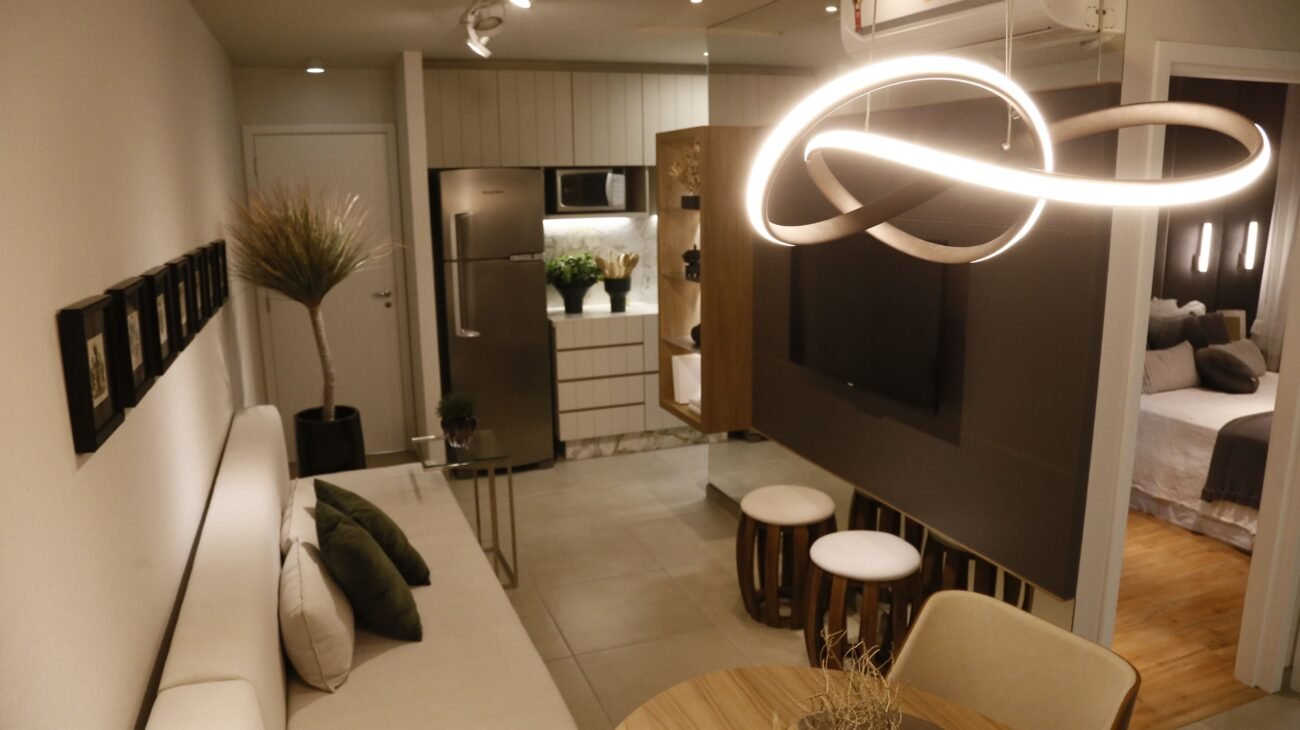
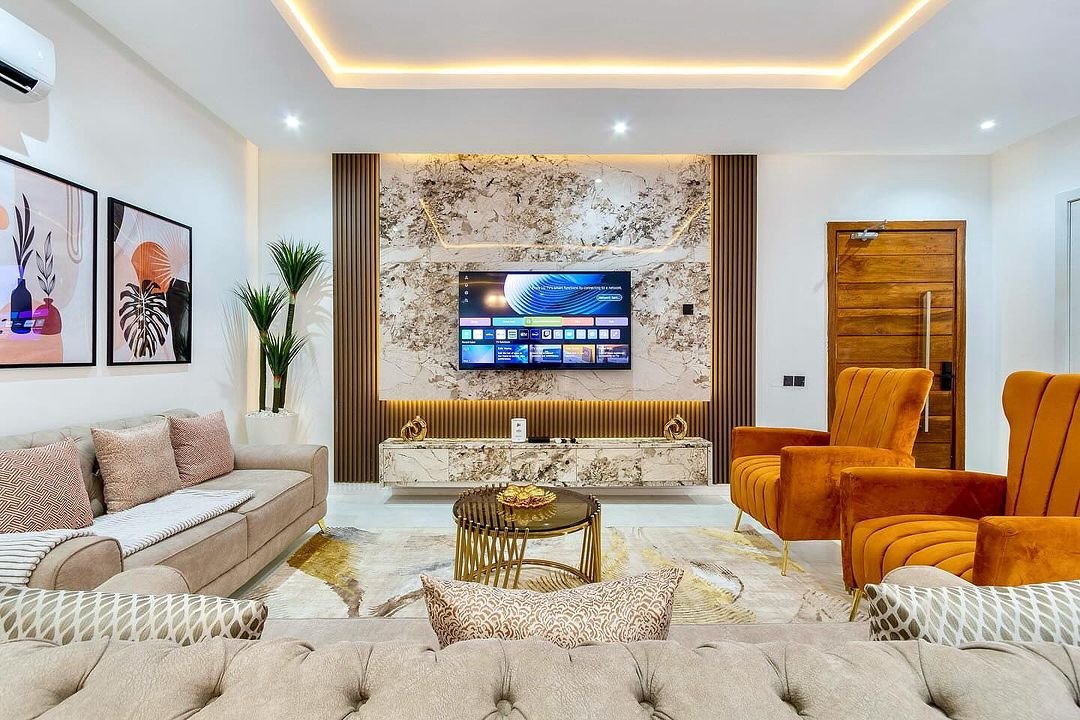
Creating a stunning space does not require extravagant spending. With the right strategy, living room decor ideas on a budget can transform any ordinary area into a refined
Achieving a high-end interior aesthetic does not require a limitless budget. Across Nigeria, homeowners in Lagos, Abuja, Port Harcourt, and beyond are discovering that with the right design choices, any space can look curated, sophisticated, and undeniably luxurious
Lagos is evolving at a breathtaking pace, and so are the homes within it. From the high-rise apartments of Victoria Island to the sprawling estates of Lekki Phase 1
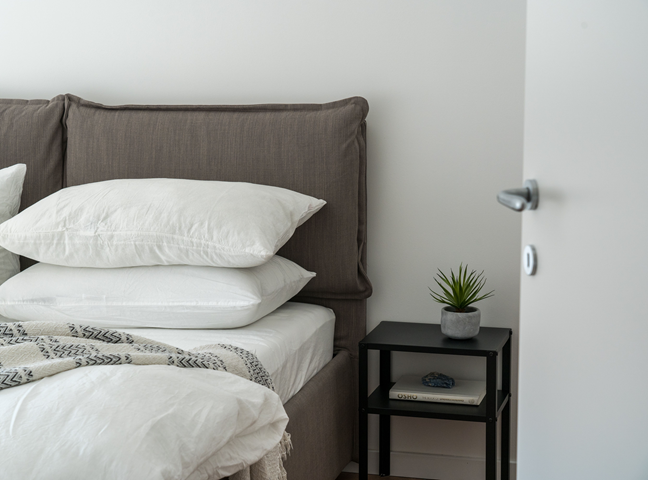
Homes in Nigeria are changing. People want spaces that feel calm, elegant, and practical — not overcrowded.
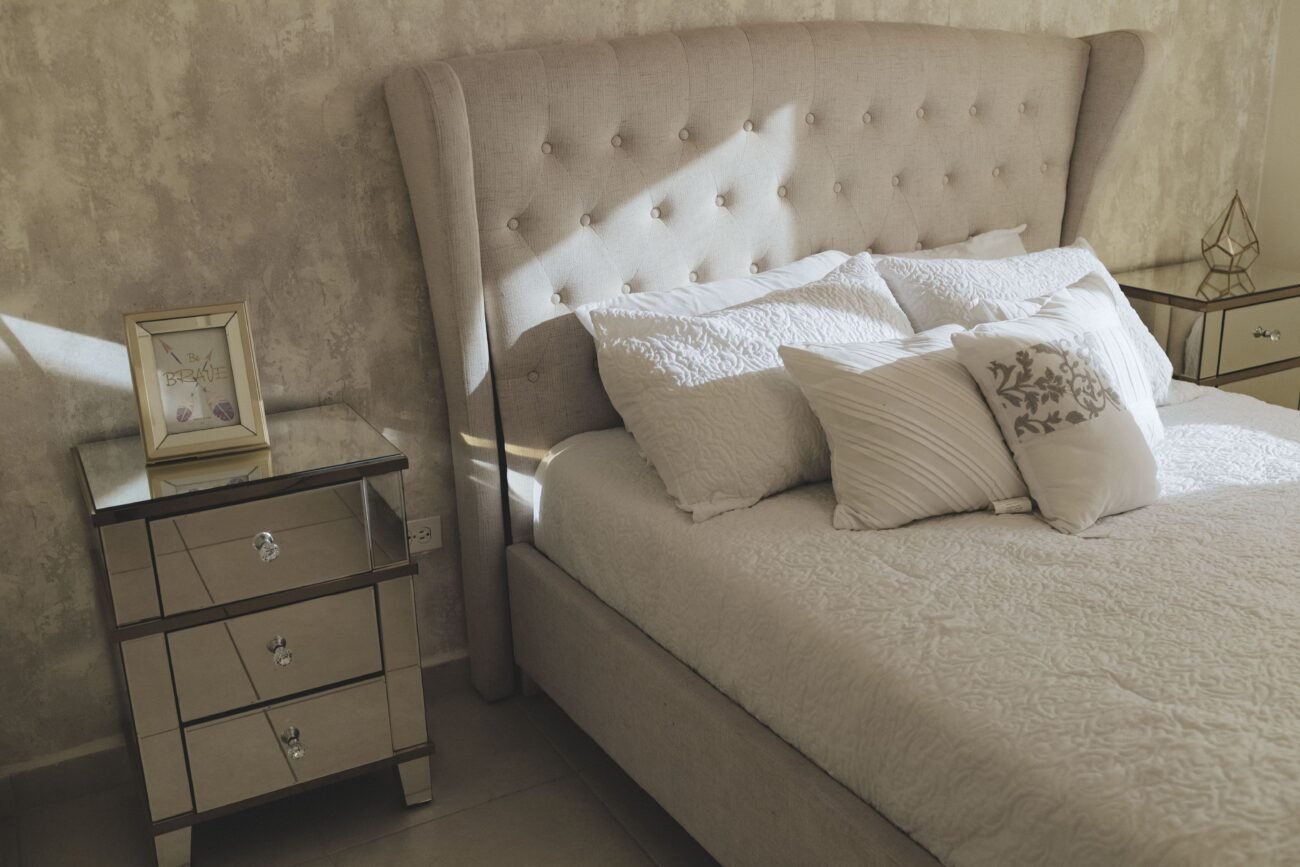
The bed is the star of the show. It’s where you start your mornings and end your nights, so shouldn’t it reflect who you are?
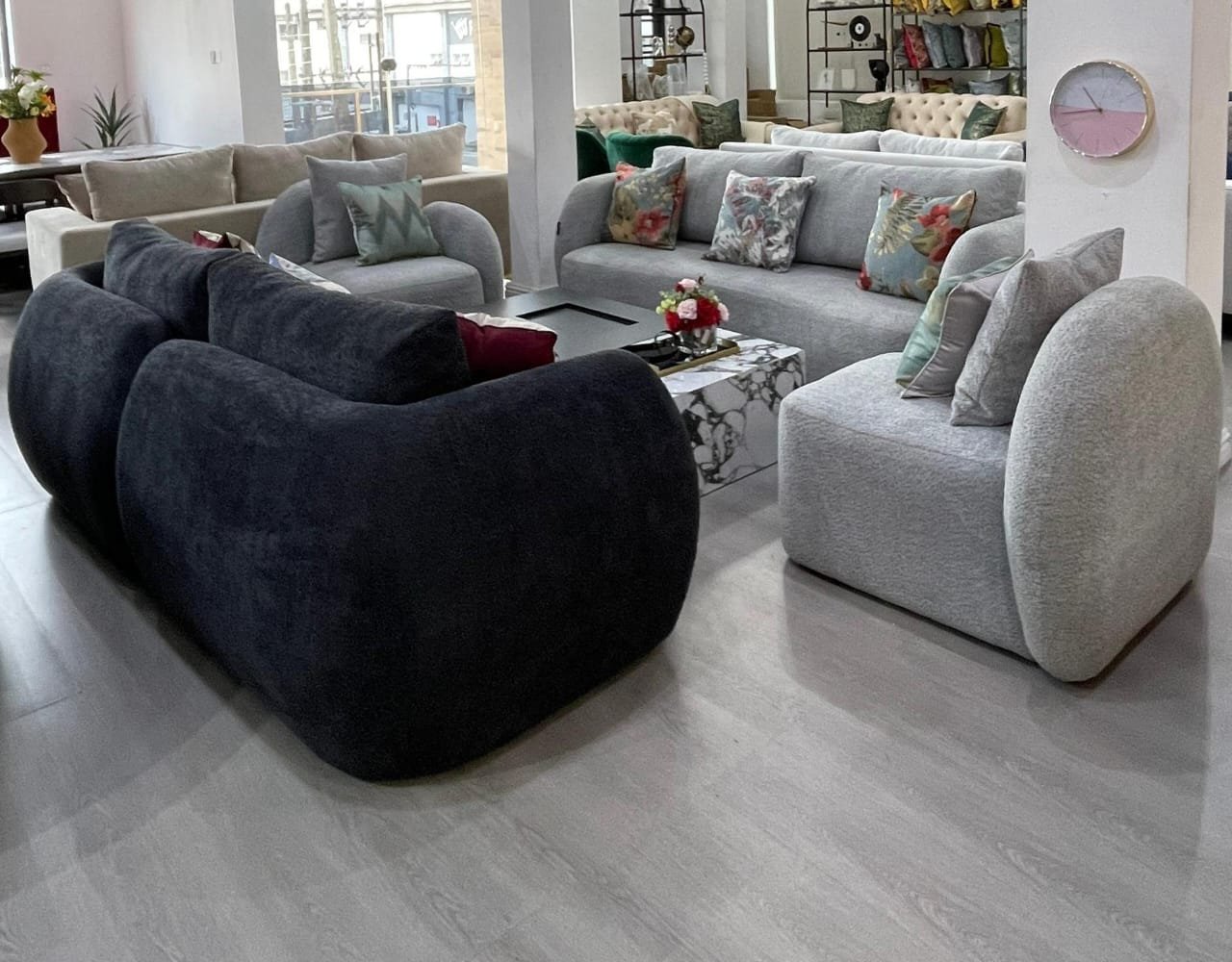
Finding that perfect sofa for a small space can feel like searching for a needle in a haystack.
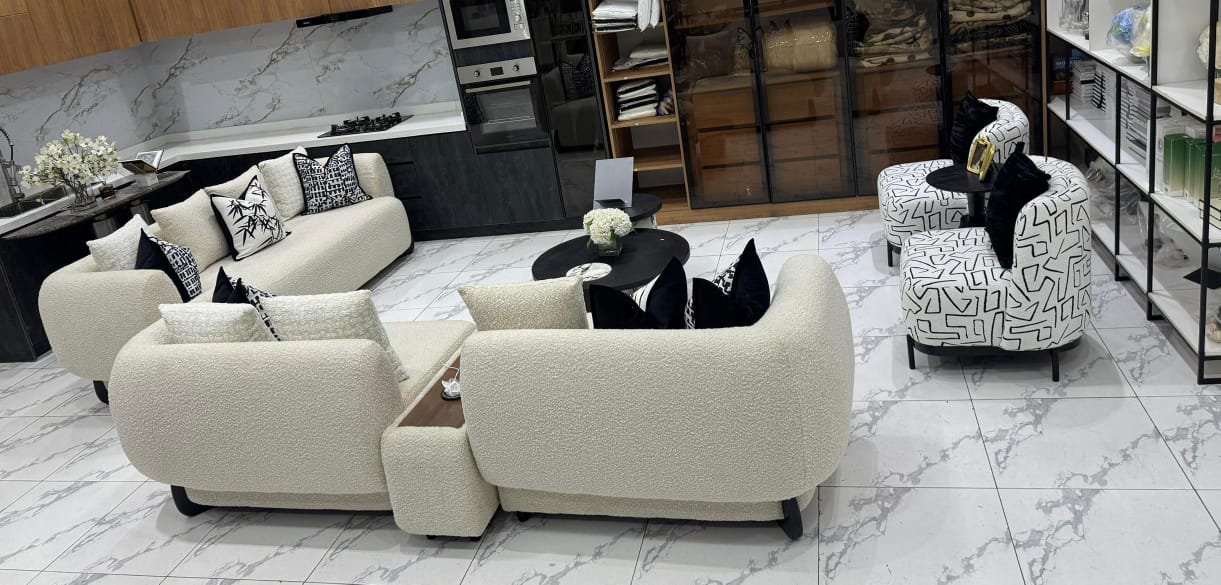
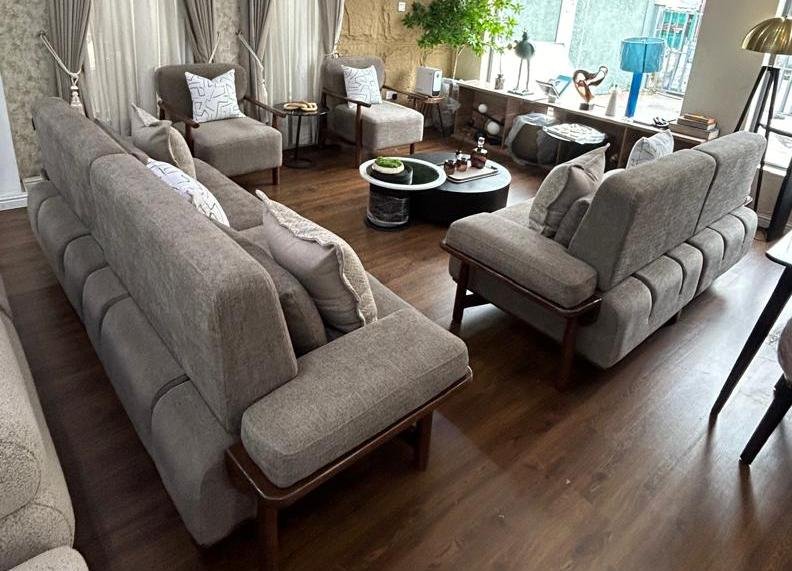
Sofas are often the first thing people notice when they enter your living room. It’s the biggest piece of furniture in the space
Opening a restaurant or refreshing your current dining space? You’re about to make one of the most crucial investments in your establishment’s success. Restaurant furniture isn’t just about filling space—it’s about creating an experience, building your brand, and ensuring your investment pays dividends for years to come. Let’s dive into everything you need to know about choosing furniture where durability shakes hands with design.
Walk into any successful restaurant, and you’ll immediately feel something. That “something” isn’t accidental—it’s carefully orchestrated through every design element, with furniture playing the leading role. Your chairs, tables, and booths aren’t just functional pieces; they’re silent salespeople working 24/7 to create ambiance, encourage longer stays, and yes, even influence how much your guests spend.
Think about it: uncomfortable seating means faster table turns but unhappy customers who won’t return. Beautiful but fragile furniture means constant replacement costs that eat into your profits. The sweet spot? That’s what we’re here to find.
Before you fall in love with that gorgeous mid-century modern chair or rustic farmhouse table, pump the brakes. Your restaurant has specific needs that go beyond what looks good on Pinterest.
Are you running a fast-casual taco joint or an upscale steakhouse? A family-friendly diner or a trendy wine bar? Your concept dictates everything. A fine dining establishment demands different furniture than a quick-service restaurant. Your furniture should tell your brand story before the server even brings the menu.
Who’s sitting in your seats? Families with toddlers need different considerations than business professionals on lunch breaks. Young couples on date nights have different comfort expectations than college students grabbing late-night pizza. Your target demographic should influence everything from seat height to cushion firmness.
Measure twice, buy once. Seriously. Understanding your square footage, traffic flow patterns, and capacity goals is non-negotiable. That stunning oversized booth might look amazing, but if it reduces your seating capacity by 30%, your profit margins will suffer. Work with your floor plan, not against it.
Here’s where the rubber meets the road—or where the chair legs meet your floor. Restaurant furniture takes a beating that would make residential furniture weep. We’re talking hundreds of uses per week, spills, scrapes, weight fluctuations, and cleaning chemicals that could strip paint.
Not all materials are created equal in the restaurant world. Let’s break down your options.
Wood brings warmth and timeless appeal. Solid hardwoods like oak, maple, and walnut can last decades with proper care. But beware of particleboard or MDF masquerading as the real deal—these won’t survive the restaurant environment. Look for kiln-dried hardwood with reinforced joints.
Metal is your workhorse. Steel and aluminum frames offer incredible durability and can handle serious weight. Powder-coated finishes resist rust and scratches better than paint. Metal works beautifully in industrial, modern, or outdoor settings.
Plastic has come a long way from cheap patio chairs. High-density commercial-grade plastics and polypropylene offer weather resistance, easy cleaning, and surprising durability. They’re lightweight, stackable, and budget-friendly—but won’t give you that premium feel.
Flip that chair over. No, really—check the underside. Quality construction shows in the details: reinforced corners, metal corner blocks, double dowels, and mortise-and-tenon joints. Avoid furniture held together primarily with staples or glue. Your furniture will face thousands of sitting-down movements, and weak construction will fail fast.
Residential furniture and commercial furniture are different species. Commercial-grade pieces meet specific weight capacity standards (usually 250-350 pounds), use thicker materials, and undergo rigorous testing. Yes, they cost more upfront, but they’re engineered for your environment.
Now for the fun part—making your space look incredible while maintaining that durability we’ve been harping on.
Colors aren’t just pretty—they’re powerful. Red stimulates appetite (hello, fast food chains), while blue creates calm and sophistication. Neutral tones offer timeless versatility and won’t clash when you refresh your decor. Dark colors hide wear better than light fabrics, but can make small spaces feel cramped.
Beautiful but uncomfortable furniture is like a sports car with no engine—looks great but doesn’t perform. Seat depth, back angle, cushion density, and armrest height all impact comfort. For fine dining where you want guests to linger, prioritize plush comfort. For quick-service concepts, slightly firmer, more upright seating naturally encourages faster turnover without being uncomfortable.
Your furniture doesn’t exist in isolation. It needs to harmonize with your flooring, lighting, wall colors, and overall aesthetic. Mix materials and styles intentionally, not randomly. A cohesive design feels professional and planned—crucial for establishing credibility and justifying your prices.
Let’s talk money. Restaurant furniture represents a significant investment, but it shouldn’t bankrupt you before you serve your first meal.
That $50 chair looks tempting compared to the $200 option. But if the cheap chair needs replacing every year while the quality piece lasts ten years, which is actually more expensive? Calculate cost-per-year, not just upfront price. Factor in replacement costs, labor for swapping out broken pieces, and the impact on guest experience.
Splurge on high-use items: dining chairs, primary tables, and host stands. These pieces face maximum wear and are central to guest experience. Save on decorative elements, outdoor furniture for covered areas, or pieces used in low-traffic zones. You don’t need your wait station furniture to match the quality of your dining room seating.
Seating choices dramatically impact capacity, comfort, and atmosphere.
Chairs offer maximum flexibility. They’re movable, replaceable individually, and accommodate various party sizes. Side chairs work everywhere; armchairs add luxury but take more space.
Booths maximize seating in limited space and create intimate, cozy atmospheres. They’re perfect for families and groups. Downside? They’re permanent fixtures that reduce flexibility.
Banquettes combine the space efficiency of booths with slightly more flexibility. They work beautifully along walls and in corners.
Bar seating offers higher profit per square foot and creates energetic atmosphere. Counter-height (24-26 inches) and bar-height (28-30 inches) stools serve different purposes. Footrests are essential—dangling feet for hours creates discomfort. Swivel seats add fun but may not suit all concepts.
Tables are the foundation—literally—of your dining experience.
Round tables facilitate conversation and fit awkwardly shaped spaces. They’re great for social dining but less space-efficient.
Square tables are versatile workhorses that push together easily for larger parties.
Rectangular tables maximize seating along walls and offer the most efficient use of linear space.
Size matters: 24-inch tables for couples, 30-36 inches for four-tops, and larger for groups. Allow 24-30 inches of table space per person for comfortable dining.
Laminate is budget-friendly, easy to clean, and available in countless finishes. It resists heat and stains but can chip.
Wood offers unmatched warmth and character. Sealed properly, it’s surprisingly durable, though it requires more maintenance.
Stone or quartz composite provides luxury and durability but comes with weight and cost considerations.
Metal works for industrial concepts and outdoor use, though it can be noisy and show water spots.
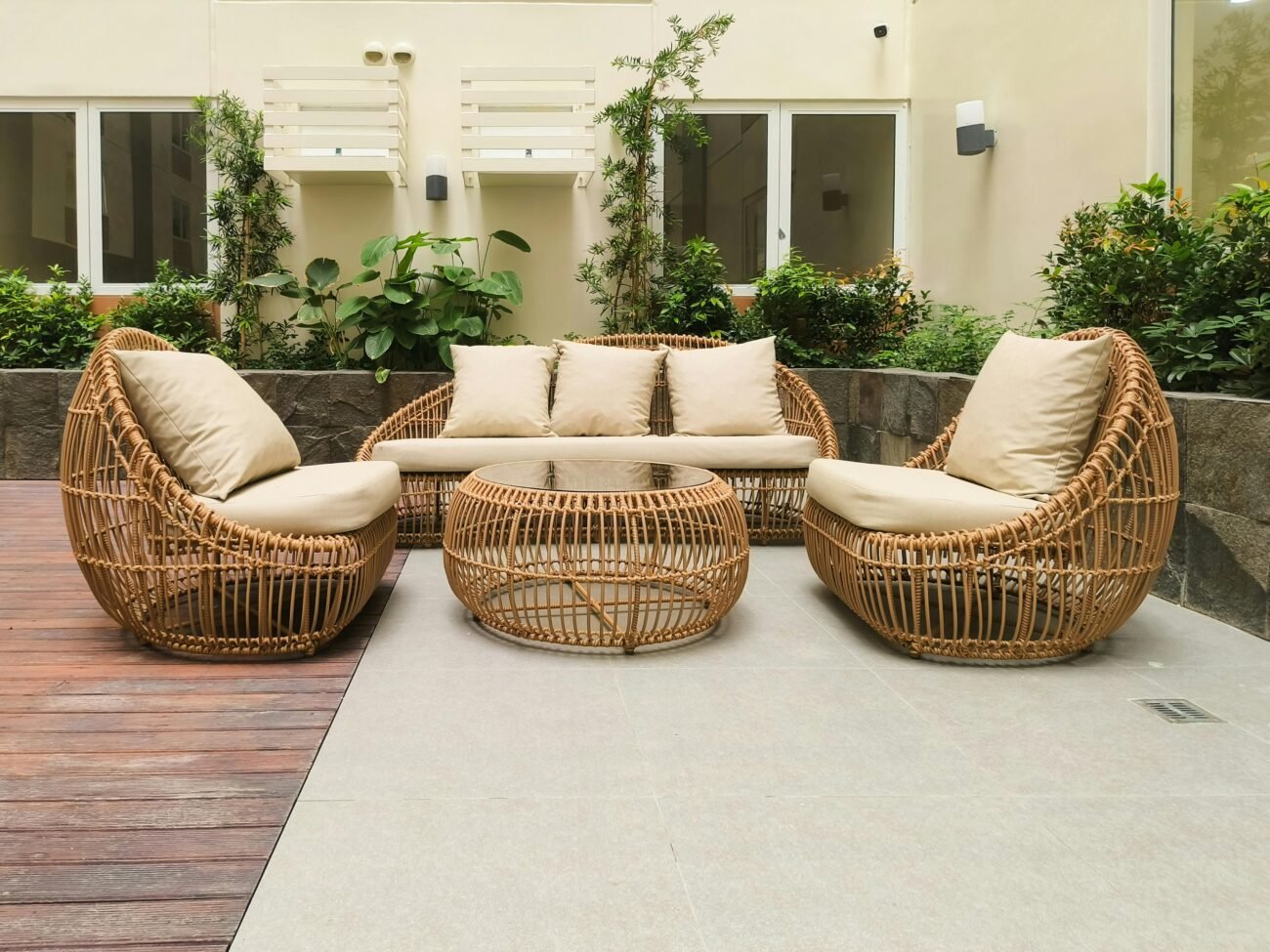
Outdoor dining extends your capacity and appeals to many guests, but it demands special furniture considerations. Look for UV-resistant materials, rust-proof construction, and weather-resistant cushions. Aluminum, teak, and high-density polyethylene (HDPE) excel outdoors. Plan for storage during off-seasons or severe weather. And don’t forget: outdoor furniture fades and degrades faster—budget for more frequent replacement.
Buy quality, then protect your investment. Implement regular inspection routines to catch loose screws, wobbly legs, or torn upholstery early. Tighten hardware quarterly. Clean furniture properly—harsh chemicals damage finishes and fabrics. Use furniture glides to prevent floor damage and reduce noise. Train staff on proper handling—dragging chairs damages floors and furniture. Consider protective treatments for wood and fabric. Keep touch-up materials on hand for quick repairs.
You’ve got options, each with pros and cons. Specialty restaurant suppliers understand commercial needs and offer durable options with industry-standard warranties. Online marketplaces provide competitive pricing and vast selection but make quality assessment harder. Local manufacturers allow customization and support your community. Liquidation and used furniture can stretch budgets but require careful inspection. Direct from manufacturers eliminates middleman markup but may require larger minimum orders.
Don’t choose style over substance—beautiful but fragile furniture costs more long-term. Avoid buying before finalizing your layout—you’ll end up with wrong sizes or quantities. Don’t forget about replacement parts and warranty coverage. Skip furniture that doesn’t meet commercial weight ratings. Don’t ignore assembly requirements—some pieces require professional installation. Avoid mixing too many styles—cohesion matters. And please, don’t forget to measure doorways and elevators before ordering—we’ve all heard those horror stories.
Choosing restaurant furniture where durability meets design isn’t rocket science, but it does require thoughtful consideration. Your furniture investment impacts guest comfort, operational efficiency, brand perception, and bottom-line profitability. Prioritize commercial-grade quality in high-use pieces, align your aesthetic with your concept and audience, calculate total cost of ownership rather than just purchase price, and plan for flexibility as your business evolves. Great restaurant furniture isn’t just something to sit on—it’s a foundational element of your guest experience and business success. Take your time, do your research, and choose pieces that will serve your restaurant beautifully for years to come. Your future self (and your accountant) will thank you.
If you’ve been tossing and turning at night, your furniture might be to blame. Most people think sleep problems come from stress or lifestyle habits, but your bedroom setup plays a much bigger role than you’d expect. From the wrong mattress to cluttered layouts, simple furniture mistakes can quietly destroy your sleep quality. The good news? Fixing them is easier than you think.
Let’s break down the top five bedroom furniture mistakes and how to solve them so you can finally enjoy deep, restful sleep.
Is your back stiff every morning? Do you wake up feeling like you didn’t sleep at all? A bad mattress is usually the culprit. Sagging, lumps, or uneven support are all red flags. If you find yourself constantly shifting positions trying to get comfortable, it’s time for a change.
Think of your mattress as the foundation of your entire sleep experience. Too soft, and your spine sinks; too firm, and pressure builds on your joints. The ideal mattress should support your natural spine alignment while still feeling comfortable.
Choose memory foam for close body contouring
Pick hybrid mattresses for a mix of support and bounce
Test multiple firmness levels before buying
Replace your mattress every 7–10 years
Investing in the right mattress is the fastest way to upgrade your sleep instantly.
A crowded bedroom feels chaotic. When your brain sees clutter, it stays alert rather than relaxing. Oversized wardrobes, giant dressers, or a king-size bed in a tiny room can make the space feel cramped and stressful.
Your bed should be the star of the room—not squeezed between walls. Leave space on both sides of the bed for balance and airflow. Make sure you can walk easily around the room without bumping into furniture.
Wall-mounted shelves
Floating nightstands
Under-bed storage
Compact wardrobes with sliding doors
Small adjustments can completely transform how your room—and your mind—feels at bedtime.
If your bed is too low, getting in and out becomes a workout. This puts unnecessary pressure on your back and knees. A balanced height (around knee-level) helps you move naturally and comfortably.
A shaky, squeaky frame doesn’t just ruin sleep; it creates subconscious stress. Every creak signals movement, waking your brain and pulling you out of deep sleep cycles.
Choose hardwood or metal frames for durability
Avoid cheap materials that warp over time
Make sure slats are sturdy and evenly spaced
Check weight capacity if you use a heavy mattress
A stable frame equals more stable sleep.
Even if your bedroom looks tidy, hidden clutter (like stuffed drawers or piled-up wardrobes) still weighs on your mind. Clutter increases anxiety, making it harder to drift off.
Choose furniture that does double-duty:
Beds with built-in drawers
Ottomans with storage
Tall dressers instead of wide ones
Multi-compartment wardrobes
Everything needs a home—especially in a sleep sanctuary.
Keep only items you truly use
Stick to 2–3 essential furniture pieces
Hide cables and loose items
Use baskets or boxes for small objects
A clean space equals a calm mind.
Your nightstand should be level with your mattress—not too high, not too low. If you have to reach awkwardly for your phone or lamp, your body strains, interrupting your relaxation.
Nightstands often become dumping grounds. The more cluttered it gets, the less restful your space feels. Keep only essentials:
A lamp
A book
Water
Glasses
A small décor item
Everything else? Store it or remove it.
Pick a nightstand that fits your room size. Narrow rooms need slimmer designs; spacious bedrooms can handle wider ones with drawers.
Harsh or poorly placed lighting disrupts your sleep hormones. Bright overhead lights can overstimulate your brain right before bedtime.
Furniture can block natural light during the day or reflect artificial light at night. Position your bed so it avoids direct glare from lamps and windows.
Use warm bedside lamps to signal your brain that it’s time to wind down.
Choose soft, rounded edges over sharp, angular furniture
Use natural materials like wood or bamboo
Incorporate breathable fabrics for bedding
These choices help create a warm, peaceful environment.
Stick to calming colours:
Soft blues
Neutral tones
Earthy greens
Warm beiges
Use textures like cotton, linen, or velvet to add depth and comfort.
Your bedroom should feel like a retreat, not a source of stress. By avoiding these five common furniture mistakes—and making a few smart adjustments—you can transform your space into a sleep haven. Better furniture choices lead to better sleep, and better sleep leads to a better you.
Invest in a room that helps you rest, recharge, and wake up refreshed every day.
Living in a small bedroom doesn’t mean you have to sacrifice style or functionality. Whether you’re in a studio apartment, a college dorm, or a cozy city flat, the right furniture can completely transform how your space looks and feels. Have you ever walked into a cramped room and felt instantly overwhelmed? That’s the power of poor space management. But here’s the good news: with clever space-saving furniture, even the tiniest bedroom can become a stylish, organized sanctuary.
Space-saving furniture isn’t just about fitting more stuff into less space. It’s about creating breathing room, establishing flow, and making your bedroom a place where you actually want to spend time. Think of it like solving a puzzle—every piece needs to fit perfectly to reveal the bigger picture. In this article, we’ll explore the best furniture solutions that’ll help you maximize every square inch without compromising on aesthetics.
Small bedrooms come with their own unique set of frustrations. There’s never enough closet space, your bed takes up half the room, and forget about having a dedicated workspace. You’re constantly playing Tetris with your belongings, and somehow, it still feels cluttered. Sound familiar?
The biggest issue most people face is trying to fit standard-sized furniture into undersized spaces. That queen bed might look perfect in the showroom, but in your 10×10 bedroom? It becomes a space-eating monster. Add a bulky dresser and a nightstand, and you’re left with barely enough room to walk around. The struggle is real, but it’s definitely solvable.
Here’s something interesting: how we perceive space affects our mood and productivity. A cluttered, cramped bedroom can increase stress levels and make relaxation nearly impossible. Your brain needs visual breathing room to unwind properly. When everything feels tight and chaotic, your mental state mirrors that environment.
Creating the illusion of space is just as important as actual square footage. Strategic furniture placement, the right color palette, and smart storage solutions can trick your brain into thinking a room is larger than it really is. It’s not magic—it’s psychology meeting design.
Multifunctional furniture is the superhero of small spaces. These pieces serve multiple purposes, eliminating the need for separate items. A bed that also provides storage? Check. A desk that folds into the wall? Absolutely. This type of furniture adapts to your needs throughout the day, transforming your bedroom from sleeping quarters to workspace to entertainment zone.
The beauty of multifunctional pieces lies in their versatility. Instead of owning five separate furniture items, you might only need two or three that pull double or triple duty. This approach doesn’t just save physical space—it also saves money and reduces visual clutter.
Beyond the obvious space advantages, multifunctional furniture offers flexibility. Your lifestyle might change—maybe you start working from home or decide to host overnight guests more often. Convertible furniture adapts to these shifts without requiring a complete room overhaul.
There’s also an environmental angle. Buying fewer pieces means less manufacturing, less shipping, and ultimately less waste. Plus, quality multifunctional furniture tends to be built to last, making it a sustainable choice for conscious consumers.
Murphy beds are legendary for good reason. During the day, they fold up into the wall or a cabinet, freeing up massive amounts of floor space. Modern Murphy beds have come a long way from their clunky ancestors—today’s versions are sleek, easy to operate, and incredibly sturdy.
Some Murphy bed systems come with built-in shelving, desks, or even sofas attached to the underside. When you lift the bed, you reveal a fully functional living area. It’s like having two rooms in one, and for studios or tiny bedrooms, this transformation is absolutely game-changing.
Storage beds feature drawers or lift-up platforms underneath the mattress, turning wasted space into valuable storage real estate. You can stash everything from extra linens to off-season clothing, keeping these items accessible but out of sight.
Platform beds with built-in drawers are particularly popular because they eliminate the need for a separate dresser. The storage is integrated seamlessly into the bed frame, maintaining clean lines and a minimalist aesthetic. No more shoving boxes under your bed—now everything has a proper home.
Need a workspace but don’t have room for a traditional desk? Wall-mounted desks are your answer. These compact surfaces fold down when you need them and disappear when you don’t. They’re perfect for homework, laptop work, or even as a vanity table.
Folding tables offer similar flexibility. Some designs feature drop-leaf extensions that expand when you need extra surface area and contract when you don’t. This adaptability means you’re never committed to one configuration—your furniture works around your schedule, not the other way around.
Traditional closets often waste vertical space or lack proper organization. Compact armoires and modular wardrobe systems maximize every inch with adjustable shelving, hanging rods at different heights, and built-in drawers.
Look for narrow, tall pieces that capitalize on vertical space rather than sprawling wide. Some modern wardrobes even feature mirrored doors, which serve the dual purpose of storage and making your room feel larger through reflection.
When floor space is limited, the only direction to go is up. Floor-to-ceiling shelving units draw the eye upward, creating the illusion of height while providing tons of storage. These shelves can hold books, decorative items, storage boxes, and more.
The key is keeping the lower shelves practical and accessible while using upper shelves for items you don’t need daily. This tiered approach prevents your room from feeling top-heavy while maximizing storage capacity. Plus, tall shelving units create vertical lines that make ceilings appear higher.
Don’t underestimate the power of walls. Hanging organizers, pegboards, and strategic hook placement can clear surfaces and floors significantly. Behind-the-door organizers are especially valuable—they utilize space that would otherwise go completely unused.
Wall hooks aren’t just for coats. Use them for bags, accessories, headphones, or even folding chairs. The more you can get off the floor and onto walls, the more open and spacious your room will feel. Just be mindful not to over-clutter your walls, as too many visual elements can have the opposite effect.
Ottomans and benches with hidden storage compartments are incredibly versatile. Place one at the foot of your bed for seating and shoe storage, or use it as a coffee table alternative in a studio setup. The lid lifts to reveal ample storage for blankets, magazines, or whatever you need to tuck away.
These pieces blend seamlessly into any décor style, from modern minimalist to cozy traditional. They’re proof that storage solutions don’t have to look utilitarian—they can be beautiful and functional simultaneously.
Nightstands serve as bedside command centers, but the surface area alone isn’t enough. Choose nightstands with multiple drawers or shelves to maximize storage. Some models even feature charging stations or cord management systems built right in.
Wall-mounted floating nightstands are another excellent option. They provide surface space and storage without taking up valuable floor area, and they make cleaning underneath much easier. This floating effect also contributes to that airy, spacious feeling we’re after.
Corners are frequently neglected in bedroom layouts, yet they offer prime real estate for furniture placement. Corner desks, triangular shelves, and L-shaped configurations make use of these awkward spaces without interrupting traffic flow.
A corner reading nook with a small chair and floor lamp can become your favorite spot in the house. Or install corner shelving to display plants and decorative items. The goal is ensuring no space goes to waste, and corners definitely qualify as untapped potential.
Even in a tiny bedroom, you can create distinct zones for different activities. Use furniture placement, area rugs, or even subtle lighting changes to define sleeping, working, and dressing areas. This psychological separation helps your brain associate different parts of the room with different functions.
For example, position your bed against one wall, place your desk on the opposite side, and use a bookshelf or curtain as a visual divider. This creates the impression of separate rooms within one space, making the bedroom feel more organized and purposeful.
Color psychology plays a huge role in how spacious a room feels. Light, neutral colors reflect more light and make walls appear to recede, creating the illusion of more space. Whites, soft grays, pale blues, and gentle pastels are all excellent choices for small bedrooms.
This doesn’t mean your room has to be boring or sterile. Use varying shades of the same color family to add depth and interest. Texture also becomes more important in monochromatic schemes—think linen bedding, woven baskets, and soft rugs to add visual richness without overwhelming the space.
Mirrors are the oldest trick in the small-space handbook, and they work beautifully. A large mirror or a wall of mirrored closet doors reflects light and creates the perception of double the space. Position mirrors opposite windows to maximize natural light reflection throughout the room.
Mirrored furniture pieces, like a dresser or nightstand with mirrored surfaces, add glamour while enhancing brightness. Just avoid going overboard—too many reflective surfaces can feel disorienting rather than spacious.
Who says you can’t have overnight guests in a small bedroom? Sofa beds have evolved tremendously from the uncomfortable pull-outs of yesteryear. Modern designs offer genuine comfort and style, functioning as attractive seating during the day and transforming into proper beds at night.
Look for sofa beds with memory foam mattresses and sturdy frames. Some models even include storage compartments underneath, giving you triple functionality in one piece. When you’re tight on space but big on hospitality, a quality sofa bed is invaluable.
Stackable chairs, nesting tables, and collapsible furniture give you options without permanent commitment. Need extra seating when friends visit? Pull out the stackable stools. Want a larger work surface? Nest your tables together. When the gathering’s over, everything stacks away neatly.
This type of furniture is particularly brilliant for people who live alone but occasionally entertain. You’re not sacrificing daily living space for occasional needs—you’re adapting your environment as situations demand.
Technology has infiltrated furniture design in the best possible way. Smart beds now feature USB charging ports, adjustable bases controlled by apps, built-in speakers, and even sleep-tracking capabilities. These features eliminate the need for separate devices cluttering your nightstand.
Some high-tech bed frames include LED lighting underneath, creating ambient illumination that’s both practical and atmospheric. Imagine never stubbing your toe on a midnight bathroom trip again—that’s the beauty of thoughtfully integrated technology.
Storage doesn’t have to be dark and mysterious. LED-lit shelving and closet systems illuminate your belongings, making everything easier to find while adding a modern, boutique-like ambiance to your bedroom. Motion-sensor lights in drawers and closets are especially convenient.
These lighting solutions serve a practical purpose while doubling as design elements. A backlit bookshelf or illuminated wardrobe becomes a statement piece, proving that functional furniture can absolutely be beautiful.
You don’t need a massive budget to transform your small bedroom. DIY projects offer customized solutions at a fraction of retail prices. Build your own platform bed with storage underneath, create floating shelves from reclaimed wood, or repurpose crates into stylish storage cubes.
Pinterest and YouTube are goldmines for DIY furniture tutorials. With basic tools and some weekend time, you can create pieces perfectly tailored to your space’s dimensions. Plus, there’s something deeply satisfying about sleeping in a bed or working at a desk you built yourself.
Budget-conscious shoppers have more options than ever. Retailers like IKEA specialize in space-saving furniture at accessible price points. Their modular systems allow you to customize configurations as your needs and budget evolve.
Thrift stores, estate sales, and online marketplaces often yield hidden gems—quality pieces at bargain prices. A little paint or new hardware can transform a secondhand find into something that looks custom and expensive. Shopping smart doesn’t mean settling for less; it means being creative and patient.
In small bedrooms, less really is more. A minimalist approach doesn’t mean cold or empty—it means intentional. Every item in your room should either serve a purpose or bring you genuine joy. This edited approach prevents visual overwhelm and makes your space feel serene.
Choose quality over quantity. One beautiful piece of art makes more impact than a cluttered gallery wall. A single statement plant breathes more life into a room than a dozen struggling succulents. Curate your space like a boutique hotel—everything present has earned its place.
Your bedroom should reflect your personality, even within space constraints. Select a few meaningful items—photos, artwork, collectibles—and display them thoughtfully. Use floating shelves or a dedicated display area rather than scattering items everywhere.
Rotate decorative pieces seasonally to keep your space feeling fresh without acquiring more stuff. This approach lets you enjoy all your treasures over time without cramming them all into view simultaneously. It’s about quality of display, not quantity of objects.
The biggest mistake in small bedroom design is trying to cram in too much furniture. Not every room needs a nightstand on both sides of the bed, a dresser, a desk, and a reading chair. Evaluate what you genuinely need versus what you think you should have.
Sometimes, removing furniture actually makes a space more functional. That bulky dresser might be taking up valuable floor space when a storage bed could handle your clothing needs. Challenge conventional room setups and think creatively about your actual lifestyle requirements.
Many people focus exclusively on floor space while leaving walls bare. This is a huge missed opportunity. Vertical storage, wall-mounted furniture, and tall shelving units are game-changers for small bedrooms.
Installing hooks, shelves, and hanging organizers requires minimal effort but yields maximum results. Every inch of wall space is potential storage or display area—use it wisely, and your floor will thank you with the gift of openness.
Transforming a small bedroom into a stylish, functional space isn’t about fighting against limitations—it’s about embracing them as creative challenges. Space-saving furniture gives you the power to live comfortably without feeling cramped or sacrificing your personal style. From Murphy beds that disappear into walls to storage solutions hiding in plain sight, today’s furniture options are smarter than ever.
Remember, the key is thinking vertically, choosing multifunctional pieces, and being intentional about what enters your space. Your small bedroom has enormous potential waiting to be unlocked. With the right furniture and layout strategies, you’ll create a room that feels twice its actual size while reflecting your unique personality. Size isn’t everything—it’s what you do with the space that truly matters.

Do you know we roll out exclusive discount every week to our subscribers? That means, you can shop with up to…
All you have to do is tell us where to send it