
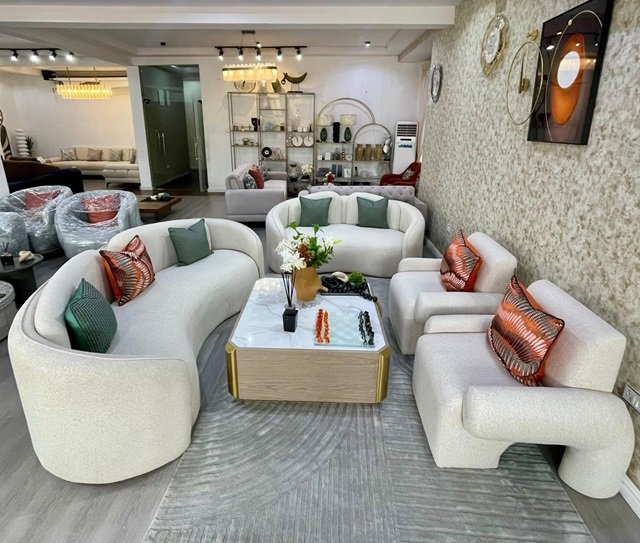
Ever walked into a room and felt instantly captivated? That magical moment when everything just clicks together isn’t accidental—it’s the result of thoughtful furniture selection. Your living room serves as the heart of your home, where memories are made and stories unfold. But here’s the thing: you don’t need a complete overhaul or an unlimited budget to create that wow factor.
The secret lies in understanding which furniture pieces pack the biggest transformational punch. Think of it like cooking—while you could use dozens of ingredients, sometimes the most spectacular dishes come from mastering just a few key elements. The same principle applies to interior design.
Whether you’re starting with a blank canvas or looking to refresh your current space, these five furniture pieces will revolutionize your living room in ways you never imagined possible. Ready to discover how strategic choices can turn your ordinary space into something extraordinary?
Why These Five Pieces Make Such a Dramatic Impact
The Psychology Behind Room Transformation
Our brains are wired to respond to visual stimuli in predictable ways. When you enter a room, your eyes naturally gravitate toward certain focal points—the largest piece of furniture, the most colorful element, or the most interesting texture. By strategically placing impactful furniture pieces, you’re essentially guiding the viewer’s experience and emotional response to your space.
Research in environmental psychology shows that well-designed spaces can actually improve mood, productivity, and overall well-being. It’s not just about aesthetics; it’s about creating an environment that supports how you want to feel and function in your daily life.
Budget-Friendly vs. Investment Pieces
Here’s where smart shoppers shine: not all transformational pieces require a hefty investment. Some items, like area rugs or accent chairs, can be found at various price points while still delivering maximum visual impact. Others, particularly your sofa, might warrant a larger investment since they’ll be used daily and need to withstand wear and tear.
The key is understanding which pieces deserve your splurge dollars and which ones can be budget finds. This strategic approach ensures you get the most transformation for your money.
1. The Statement Sofa: Your Living Room’s Crown Jewel
Your sofa isn’t just furniture—it’s the anchor that sets the tone for your entire living space. Think of it as the lead actor in your room’s story. When someone enters your living room, their eyes will naturally gravitate toward this substantial piece, making it your most powerful tool for transformation.
Choosing the Right Size and Scale
Size matters, but not in the way you might think. Many people make the mistake of choosing a sofa that’s either too small (making the room feel empty and disconnected) or too large (overwhelming the space and blocking natural flow). The sweet spot? Your sofa should occupy about one-third of your room’s visual weight.
Here’s a practical tip: measure your room and aim for a sofa that’s roughly two-thirds the length of your longest wall. This proportion creates visual harmony while leaving enough space for movement and other furniture pieces.
Color Psychology in Sofa Selection
Colors speak before words do. Your sofa’s color choice can dramatically shift the entire mood of your room, so choose wisely.
Bold Colors That Command Attention
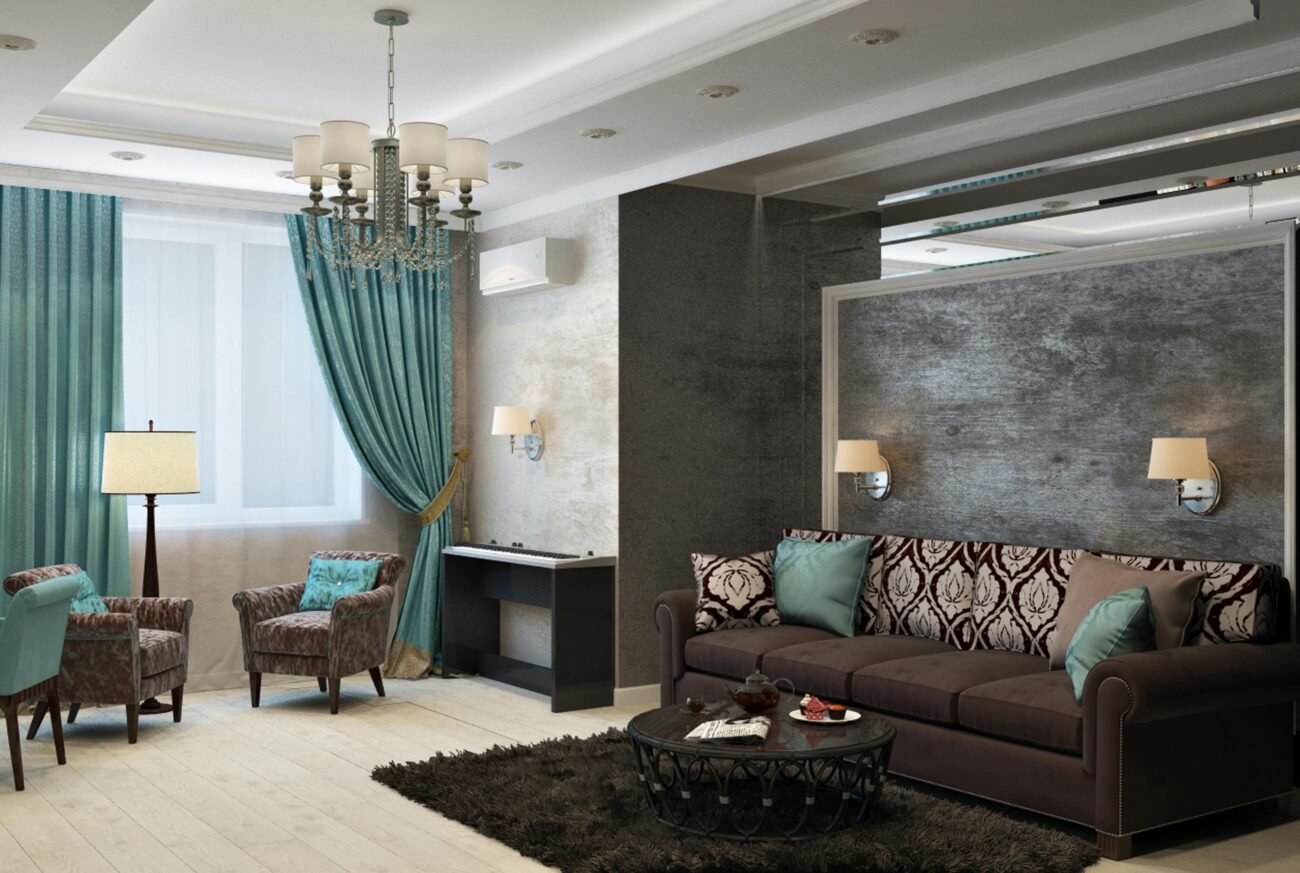
A jewel-toned sofa—think emerald green, sapphire blue, or rich burgundy—instantly elevates a neutral room from bland to grand. These colors work particularly well in rooms with plenty of natural light, where they can truly shine without overwhelming the space.
Bold doesn’t always mean bright, though. A deep charcoal or rich chocolate brown can be just as striking as a vibrant orange, especially when contrasted against lighter walls and accessories.
Neutral Tones for Timeless Appeal
If bold feels too risky, neutral doesn’t have to mean boring. Creamy whites, soft grays, and warm beiges provide a sophisticated backdrop that allows you to play with color through pillows, throws, and artwork. The beauty of a neutral sofa lies in its versatility—you can completely change your room’s personality with accessories alone.
Fabric Choices That Define Your Style
The texture and material of your sofa speak volumes about your personal style. A sleek leather piece whispers modern sophistication, while a cozy linen sofa suggests relaxed, casual elegance. Velvet screams luxury and drama, perfect for those wanting to make a bold statement.
Consider your lifestyle too. Households with children or pets might gravitate toward performance fabrics that look luxurious but can handle real-life spills and wear.
2. The Coffee Table: More Than Just a Surface
Don’t underestimate the humble coffee table—it’s working harder than any other piece in your living room. Serving as both functional workspace and decorative anchor, the right coffee table can completely reshape your room’s dynamics.
Shape Matters: Round vs. Rectangular vs. Organic
The shape of your coffee table affects traffic flow, visual weight, and overall room energy. Rectangular tables work beautifully with traditional sofa arrangements, creating clean lines and ample surface space. They’re particularly effective in larger rooms where their substantial presence won’t overwhelm.
Round tables, on the other hand, promote conversation and create a softer, more intimate atmosphere. They’re perfect for smaller spaces or rooms where you want to encourage social interaction. Plus, they’re safer for families with small children—no sharp corners to worry about.
Organic shapes—think kidney-shaped or asymmetrical designs—add visual interest and can serve as sculptural elements in minimalist spaces. These pieces work particularly well in modern or eclectic interiors.
Material Magic: Wood, Glass, Metal, and Beyond
Each material brings its own personality to your space. Wood adds warmth and natural texture, making rooms feel more inviting and grounded. Glass creates the illusion of space and lightness—perfect for smaller rooms or areas where you don’t want visual clutter.
Metal coffee tables, whether brass, steel, or iron, introduce industrial chic or glamorous sophistication, depending on the finish and styling. The key is choosing a material that complements, rather than competes with, your other furniture pieces.
Mixing Materials for Visual Interest
Why limit yourself to one material? Some of the most stunning coffee tables combine elements—like a wooden top with metal legs, or a glass surface with a sculptural stone base. These mixed-material pieces become conversation starters and add sophisticated complexity to your design.
Size and Proportion Guidelines
Your coffee table should be about two-thirds the length of your sofa and positioned 14-18 inches away from the seating. The height should be level with your sofa cushions or slightly lower—this ensures comfortable use while maintaining visual balance.
3. Accent Chairs: The Personality Injectors
If your sofa is the lead actor, accent chairs are the supporting cast that brings depth and character to your living room story. These pieces offer the perfect opportunity to inject personality, color, and style without overwhelming your space.
Creating Conversation Areas
Strategic placement of accent chairs can completely reshape how people interact in your living room. Angling chairs toward your sofa creates an intimate conversation grouping that encourages face-to-face interaction. This arrangement works particularly well for entertaining and makes your space feel more welcoming.
For larger rooms, consider creating multiple seating areas. An accent chair paired with a small side table in a corner can become a cozy reading nook, while chairs flanking a fireplace create a formal, symmetrical arrangement.
Pattern Play and Color Coordination
Accent chairs are your chance to have fun with patterns and colors that might feel too bold for a large piece like a sofa. A geometric patterned chair can energize a neutral room, while a floral print adds romantic softness to modern spaces.
When to Match and When to Contrast
The old rule of matching everything has gone out the window, thankfully. Today’s most interesting interiors feature deliberate mismatching that creates visual intrigue. Consider using different chairs that share a common element—perhaps the same color family or similar proportions—for a collected-over-time look that feels effortlessly sophisticated.
Placement Strategies for Maximum Impact
Don’t push your accent chairs against the walls like wallflowers at a dance. Pull them into your room’s conversation area, creating a more intimate and functional seating arrangement. If space is tight, choose chairs that can serve double duty—like a stylish ottoman that provides both seating and storage.
4. Area Rugs: The Foundation of Style
Think of your area rug as the foundation upon which your entire room design rests. This single piece has the power to define spaces, add color and texture, and tie all your furniture pieces together into a cohesive design statement.
Size Guidelines That Actually Work
Size mistakes are the number one rug fails in living rooms. Too small, and your furniture looks like it’s floating awkwardly in space. Too large, and the rug overwhelms everything else. The golden rule? All your main furniture pieces should have their front legs on the rug, creating a unified grouping.
For standard living rooms, an 8×10 rug works for most seating arrangements, while larger spaces might require 9×12 or even larger sizes. When in doubt, go bigger rather than smaller—it’s easier to make a large rug work than to salvage the look of an undersized one.
Pattern and Texture Considerations
Your rug choice depends largely on what else is happening in your room. If your furniture and walls are fairly neutral, this is your opportunity to introduce a bold pattern or rich color. Conversely, if you’ve already got pattern happening elsewhere, a solid or subtly textured rug provides grounding balance.
Texture adds another layer of interest. A chunky jute rug brings casual, beachy vibes, while a silk Persian rug adds formal elegance. Shag rugs create cozy, retro appeal, perfect for relaxed, family-friendly spaces.
Layering Rugs for Added Depth
One of today’s hottest design trends involves layering rugs for added visual complexity. Try placing a smaller, patterned rug over a larger neutral one, or layer different textures for tactile interest. This technique works particularly well in eclectic or bohemian-style rooms.
Color Coordination with Existing Elements
Your rug doesn’t need to match everything in your room—in fact, it shouldn’t. Instead, aim for coordination by picking up one or two colors from other elements in your space. This creates visual flow while allowing each piece to maintain its individual character.
5. Lighting Fixtures: The Mood Makers
Lighting is the unsung hero of interior design. The right fixtures don’t just illuminate your space—they create ambiance, highlight your favorite pieces, and can dramatically alter how your entire room feels and functions.
Statement Pendant Lights and Chandeliers
A dramatic overhead fixture serves as jewelry for your living room. Whether you choose a sleek modern pendant, a glittering crystal chandelier, or an industrial-inspired fixture, this piece becomes an instant focal point that draws the eye upward and adds vertical interest to your space.
The scale should be proportional to your room size and ceiling height. A fixture that’s too small disappears into the space, while one that’s too large overwhelms everything else. A good rule of thumb: add the length and width of your room in feet, and that’s approximately how wide your fixture should be in inches.
Floor Lamps as Sculptural Elements
Floor lamps do double duty as both functional lighting and sculptural art pieces. A well-chosen floor lamp can fill awkward corners, provide task lighting for reading, and add vertical elements that balance your horizontal furniture pieces.
Consider the lamp’s proportion to nearby furniture. A delicate, spindly lamp next to a substantial sofa will look insignificant, while an oversized lamp can overwhelm a small accent chair.
Task vs. Ambient vs. Accent Lighting
The most successful living rooms incorporate all three types of lighting. Task lighting handles specific activities like reading or working. Ambient lighting provides overall illumination and mood. Accent lighting highlights artwork, architectural features, or decorative objects.
Layering these different types creates depth and allows you to adjust your room’s mood throughout the day. Dimmer switches are your best friend here, allowing you to fine-tune the atmosphere for any occasion.
Smart Lighting Solutions for Modern Homes
Today’s smart lighting systems let you program different lighting scenes for various activities—bright and energizing for cleaning, warm and dim for movie nights, or colorful and dynamic for parties. These systems might require a higher upfront investment, but they offer incredible flexibility and can significantly enhance your living experience.

Sofas

Eminent sofa set

Wura 4,3,1,1 sofa set
How to Combine These Elements Harmoniously
The Rule of Threes in Interior Design
Designers swear by the rule of threes because odd numbers create visual interest and feel more natural to the human eye. This might mean grouping three throw pillows on your sofa, arranging three objects on your coffee table, or using three different heights of lighting fixtures throughout your room.
This principle also applies to color schemes. Choose three colors and use them in varying proportions throughout your space—perhaps 60% neutral, 30% secondary color, and 10% bold accent color.
Creating Visual Balance and Flow
Balance doesn’t mean symmetry. Instead, think about visual weight distribution. If you have a large, dark sofa on one side of the room, balance it with several smaller pieces or a bold piece of artwork on the opposite side.
Flow refers to how your eye moves around the space. Create pathways that guide the viewer from one interesting element to another, using color, pattern, or similar shapes to create connections between different areas of your room.
Common Mistakes to Avoid When Transforming Your Space
Overcrowding Your Room
More isn’t always better. One of the biggest mistakes people make is trying to fit too much into their space. Each piece should have room to breathe and be appreciated. Sometimes, removing something creates more impact than adding something new.
Think of your room as a composition where negative space (empty areas) is just as important as the furniture itself. These empty spaces give your eye places to rest and prevent your room from feeling cluttered or chaotic.
Ignoring Scale and Proportion
Scale refers to the size of objects in relation to the space they occupy, while proportion deals with how objects relate to each other in size. A tiny coffee table in front of a massive sectional sofa will look ridiculous, just as an enormous chandelier in a small room will feel oppressive.
Take measurements and really consider how pieces will work together before making purchases. Many furniture stores offer room planning services, or you can use online tools to visualize how pieces will look in your space.
Budget-Conscious Transformation Tips
Prioritizing Your Purchases
If you can’t afford all five transformational pieces at once, prioritize based on impact and current needs. Start with the piece that will make the biggest difference in your daily life—perhaps that comfortable new sofa if your current one is uncomfortable, or lighting if your room feels too dim.
Consider which pieces you can find at lower price points without sacrificing quality. Area rugs, accent chairs, and lighting fixtures often have good options at various price ranges, while sofas and coffee tables might warrant saving up for higher-quality pieces.
DIY Options and Upcycling Ideas
Get creative with existing pieces. A fresh coat of paint can completely transform an old coffee table or accent chair. Reupholstering chair seats with new fabric costs a fraction of buying new furniture. Adding new lampshades to existing fixtures can update your lighting without replacing the entire piece.
Thrift stores, estate sales, and online marketplaces are treasure troves for unique pieces that just need a little love to shine. Sometimes the most interesting rooms feature a mix of new and vintage pieces that tell a story about the people who live there.
Your Living Room Transformation Journey
Transforming your living room doesn’t require a magic wand or an unlimited budget—it just requires understanding which pieces pack the biggest punch. By focusing on these five key elements—a statement sofa, functional coffee table, personality-filled accent chairs, a properly sized area rug, and dramatic lighting—you’re setting the stage for a space that’s both beautiful and functional.
Remember, great design is personal. While these principles provide a solid foundation, the best living rooms reflect the people who live in them. Don’t be afraid to break rules if it serves your lifestyle and makes you happy. After all, the most important transformation is how your space makes you feel when you’re in it.
Your living room transformation journey is exactly that—a journey. Start with one piece, live with it, see how it changes your space, then add the next element. This gradual approach allows you to make thoughtful decisions and ensures each addition enhances rather than overwhelms your space.
The room of your dreams is closer than you think. Sometimes, it’s just five thoughtful furniture choices away.




Leave a comment