
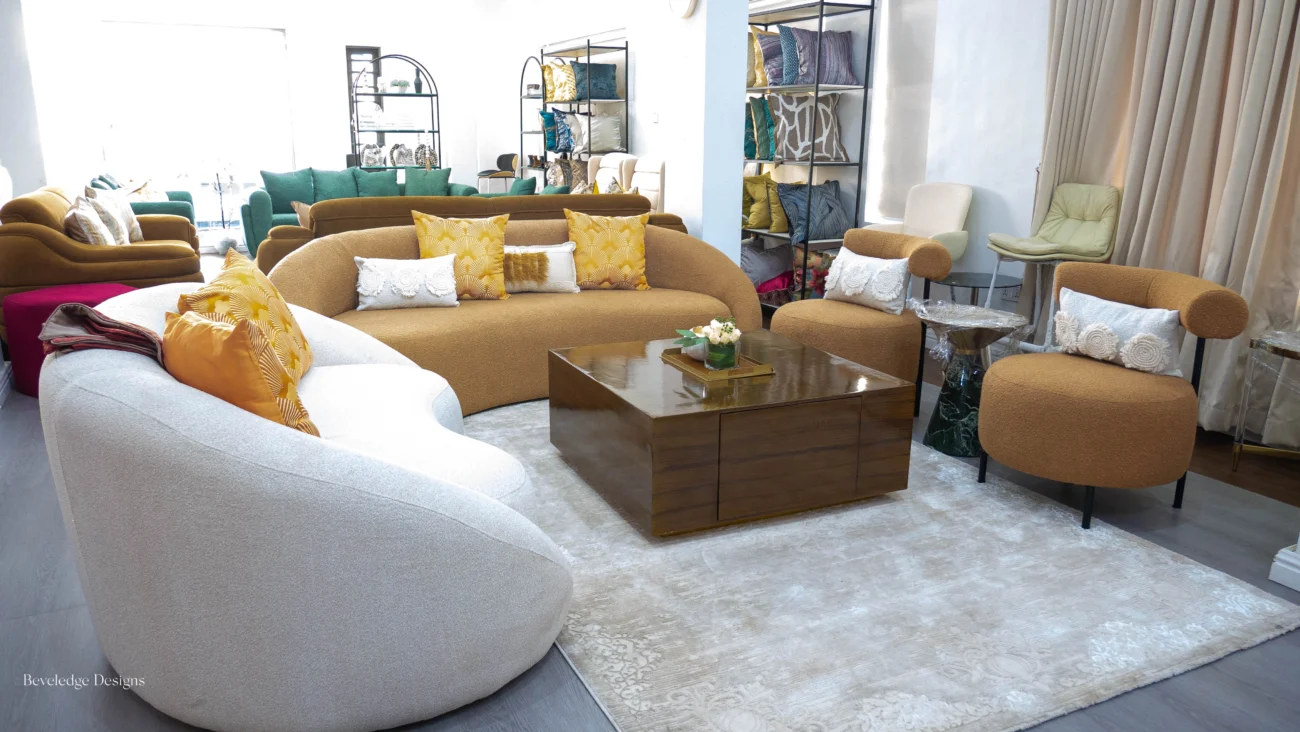

Eminent sofa set

Wura 4,3,1,1 sofa set

Joke 3,3,1,1 Sofa Set

Talia sofa 3,3,1,1 set (Without Pillows)
Your living room is the heart of your home. It’s where you unwind after a long day, entertain guests, and create lasting memories with loved ones. So when it comes to furnishing this essential space, you’d think we’d all be experts, right? Wrong. The truth is, most of us make critical mistakes that leave us with buyer’s remorse, uncomfortable seating, and a room that just doesn’t feel quite right.
Have you ever purchased a gorgeous sofa only to discover it doesn’t fit through your front door? Or invested in a stunning coffee table that makes navigating your living room feel like an obstacle course? You’re not alone. These furniture-buying blunders are surprisingly common, and they can cost you time, money, and peace of mind.
In this comprehensive guide, we’ll explore seven shocking mistakes people make when buying living room furniture—and more importantly, how you can avoid them. Whether you’re furnishing your first apartment or refreshing a space you’ve lived in for years, understanding these pitfalls will help you create a living room that’s both beautiful and functional.
Mistake #1 – Ignoring Room Measurements
Why Size Matters
Let’s start with the most fundamental mistake: not measuring your space properly. It sounds basic, but you’d be amazed how many people eyeball dimensions or make rough estimates when shopping for furniture. This approach is a recipe for disaster.
Your living room has specific dimensions, and your furniture needs to fit proportionally within that space. A sectional sofa that looks perfect in a showroom might overwhelm a small living room, making it feel cramped and claustrophobic. Conversely, furniture that’s too small can make a large room feel empty and uninviting, like a shoebox with a few scattered items inside.
Before you even think about shopping, grab a tape measure and get precise measurements of your living room. Note the length and width of the room, ceiling height, and the location of windows, doors, radiators, and electrical outlets. Don’t forget to measure any architectural features like fireplaces or built-in shelving that will impact furniture placement.
Common Measurement Errors
One of the biggest mistakes people make is measuring the floor space but forgetting about the three-dimensional aspect of furniture. That sleek armchair might have a small footprint, but if it has a tall back, it could block your window view or interfere with wall art.
Another common error? Forgetting to account for the space furniture actually needs to function properly. A recliner, for instance, requires additional room behind it to fully extend. Drawers and cabinet doors need clearance to open. These functional spaces are just as important as the furniture’s base dimensions.
The Doorway Dilemma
Here’s where things get really interesting. You’ve measured your room, chosen the perfect sofa, and eagerly await delivery day. Then the delivery team arrives and informs you that your beautiful new furniture won’t fit through your front door, up your staircase, or around that tight corner in your hallway.
Always measure your doorways, hallways, stairwells, and any other passages your furniture needs to navigate to reach its final destination. Measure height, width, and depth, and don’t forget to account for angles when turning corners. Some furniture can be delivered in pieces and assembled on-site, but if you’ve fallen in love with a single-piece sectional, make sure it can actually get into your home first.
Mistake #2 – Choosing Style Over Comfort
The Beauty vs. Function Debate
We’ve all been there. You’re scrolling through Instagram or flipping through a design magazine when you spot it: the most gorgeous sofa you’ve ever seen. It’s sleek, modern, and would look absolutely stunning in your living room. You order it immediately, barely giving comfort a second thought.
Fast forward a few weeks, and you’re sitting on your beautiful new sofa, shifting uncomfortably, searching for a position that doesn’t leave your back aching. That minimalist design doesn’t have enough back support. Those trendy thin cushions feel more like sitting on a board than sinking into comfort.
Style is important—nobody wants an ugly living room. But remember, you’re going to be using this furniture regularly. If you spend every evening watching TV from your sofa, comfort needs to be a top priority. What good is a stunning piece of furniture if you dread sitting on it?
Testing Before Buying
If possible, always test furniture in person before purchasing. Sit on that sofa for more than five seconds. Really settle in. Lean back, adjust your position, and imagine spending a couple of hours there. Does the seat depth work for your height? Is the back support adequate? Do the armrests hit at a comfortable height?
For chairs, consider how you’ll use them. Will they be for casual lounging or more formal sitting during dinner parties? Different activities require different levels of support and comfort. A dining chair, for instance, should encourage good posture during meals, while a reading chair should provide cozier, more relaxed support.
Long-Term Comfort Considerations
Think beyond the initial test sit. Furniture feels different after years of use. High-quality foam maintains its support, while cheaper materials can flatten and become uncomfortable quickly. Consider how cushions are constructed, whether they’re reversible for even wear, and if they can be refilled or replaced over time.
Also think about accessibility. If you or someone in your household has mobility issues, consider furniture height. Sofas that are too low can be difficult to get up from, while chairs that are too high might not allow feet to rest comfortably on the floor.
Mistake #3 – Forgetting About Traffic Flow
Understanding Living Room Layout
Your living room isn’t a showroom where furniture exists purely for display. It’s a functional space where people need to move around comfortably. One of the most overlooked mistakes is arranging furniture in a way that disrupts natural traffic patterns.
Traffic flow refers to the pathways people naturally take through a space. In most living rooms, there are primary paths from the entrance to seating areas, from seating to windows or outdoor access, and between different functional zones. When furniture blocks these natural pathways, your living room becomes frustrating to navigate.
Picture this: you’re hosting friends, and someone needs to excuse themselves to use the bathroom. They have to awkwardly squeeze between the coffee table and sofa, disrupting conversations and nearly knocking over drinks in the process. That’s poor traffic flow in action.
Creating Walkways
A good rule of thumb is to maintain at least 30 inches of space for major walkways and 18-24 inches for secondary paths between furniture pieces. This allows people to move comfortably without feeling like they’re navigating an obstacle course.
Consider the most common routes through your living room. If the path from your front door to your kitchen cuts through the living area, make sure furniture arrangement accommodates this without forcing people to detour around the room’s perimeter. Similarly, if your living room provides access to a balcony or patio, keep that pathway clear and inviting.
Furniture Placement Tips
Float your furniture away from walls when possible. Many people push everything against the walls, thinking this maximizes floor space, but it often creates an awkward, disconnected feeling. Pulling seating into a more intimate grouping with clear paths around it actually makes a room feel more spacious and intentional.
Think about conversation zones. Can people seated on your sofa easily converse with someone in the armchair without shouting across the room? Is your coffee table within comfortable reach of all seating, or do people have to lean forward awkwardly to set down their drinks? These small details significantly impact how functional and welcoming your living room feels.
Mistake #4 – Buying Everything at Once
The Rush to Complete
Moving into a new place or deciding to redecorate can create an urgent feeling that you need to furnish your entire living room immediately. This impulse often leads to hasty decisions and purchases you’ll regret later.
When you buy everything at once, you’re making multiple major decisions simultaneously without the benefit of living with any individual piece. You might choose a sofa, coffee table, side tables, and entertainment center all in one shopping trip, only to discover later that they don’t work together as well as you’d hoped, or that one piece is uncomfortable or impractical.
There’s also a financial benefit to spacing out purchases. Quality furniture isn’t cheap, and buying everything at once can strain your budget, forcing you to compromise on quality or settle for pieces that aren’t quite right. By purchasing gradually, you can invest in better quality pieces without the financial pressure.
Benefits of Gradual Purchasing
Starting with key pieces and adding over time allows you to live with your choices and understand what your space truly needs. You might buy a sofa first and realize after a few weeks that you don’t actually need that oversized armchair you had planned on—a smaller side chair would work better.
Gradual purchasing also gives you time to shop smartly. Instead of accepting whatever is immediately available, you can wait for sales, hunt for vintage or second-hand treasures, or save up for that investment piece that’s slightly outside your budget but will serve you for decades.
Plus, there’s something satisfying about slowly curating a space rather than filling it all at once. Your living room develops character and personality over time, reflecting your evolving taste rather than a single shopping trip’s impulse decisions.
Mistake #5 – Overlooking Fabric and Material Durability
Lifestyle and Fabric Choices
That gorgeous cream-colored linen sofa looks absolutely stunning in the store, but is it practical for your lifestyle? If you have young children who eat snacks in the living room, or a dog who loves to curl up on the furniture, that pristine white fabric might become a source of constant stress rather than enjoyment.
Material choice should be directly connected to how you live. Active households with kids and pets need durable, stain-resistant fabrics. If you love hosting dinner parties, consider materials that can withstand the occasional wine spill. For households without these concerns, you have more flexibility to choose delicate or light-colored materials.
Different fabrics have different characteristics. Leather is durable and easy to wipe clean but can feel cold in winter and sticky in summer. Microfiber is stain-resistant and budget-friendly but may not have the luxurious feel of natural fabrics. Cotton is comfortable and breathable but wrinkles easily and can stain. Understanding these trade-offs helps you make informed decisions.
Maintenance Requirements
Every material has maintenance needs, and ignoring these requirements is a fast track to furniture that looks worn and shabby long before its time. Some fabrics require professional cleaning, while others can be spot-cleaned at home. Some materials develop a desirable patina with age, while others just look old and tired.
Before purchasing, ask about care instructions. If a piece requires dry cleaning or special treatments, factor that ongoing cost and effort into your decision. Sometimes a slightly more expensive, easier-to-maintain option is actually more economical in the long run.
Pet and Child-Friendly Options
If you share your home with furry friends or little ones, prioritize fabrics that can handle whatever they throw at it—sometimes literally. Performance fabrics are engineered to resist stains, moisture, and wear while still looking and feeling attractive.
Darker colors or patterns can hide minor stains and wear better than solid light colors. Tight weaves resist pet claws better than looser fabrics. Removable, washable cushion covers are a game-changer for households with messy members, whether they walk on two legs or four.
Consider wood finishes carefully too. Some finishes show every scratch and water ring, while others develop character with age. If you’re worried about damage, look for furniture with durable finishes or pieces where minor wear actually enhances the aesthetic, like reclaimed wood tables.
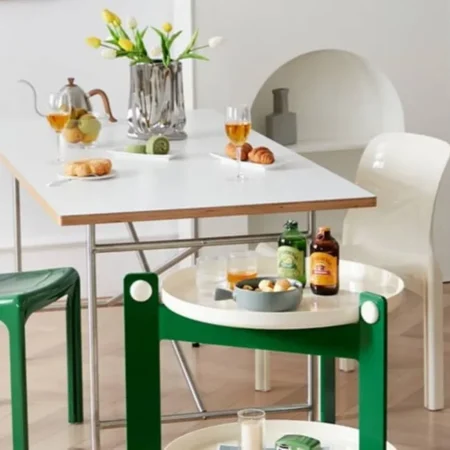
Green Nordic Creative Movable Medieval Small Tea Side Table

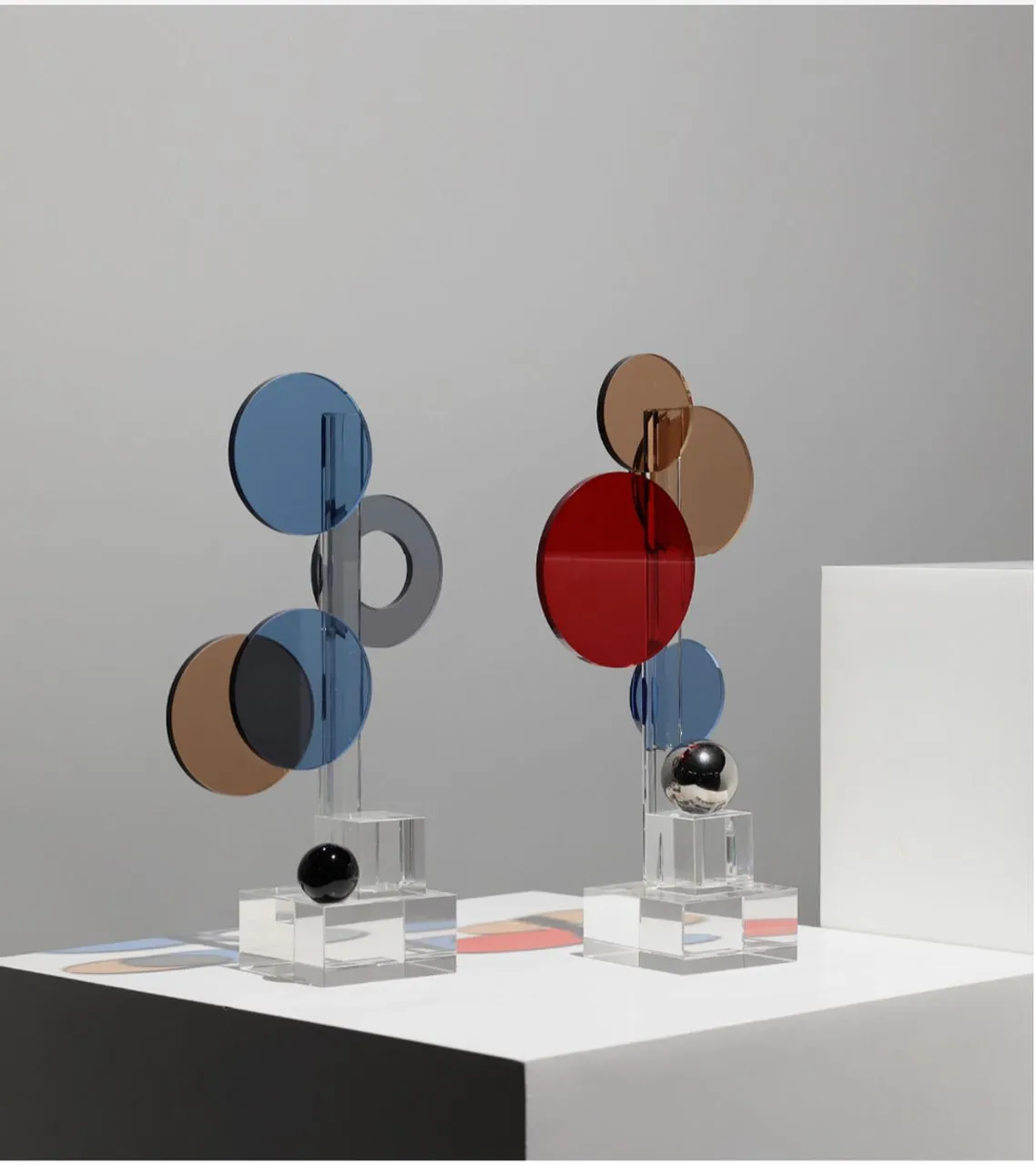
Luxury Black & Gold Arc Table Decor

Natural Wooden Coffee Table

Gold Tic Tac Toe Game Board Decor
Mistake #6 – Ignoring Your Existing Color Scheme
Color Coordination Basics
You’ve found a stunning emerald green velvet sofa at an unbeatable price. It’s gorgeous, comfortable, and you absolutely love it. There’s just one problem: it clashes horribly with your existing burgundy curtains and terracotta walls.
One of the most common mistakes is falling in love with a piece in isolation without considering how it will integrate with your existing decor. Your living room should feel cohesive, with furniture, walls, and accessories working together to create a harmonious environment.
This doesn’t mean everything has to match perfectly—in fact, too much matching can make a space feel sterile and uninviting, like a furniture showroom rather than a lived-in home. But there should be a connecting thread, whether through complementary colors, similar tones, or a unifying style element.
Creating Visual Harmony
Start by identifying your room’s existing color palette. What are your wall colors? What about flooring, curtains, or any permanent fixtures you can’t easily change? These elements form the foundation of your color scheme, and new furniture should complement them.
If you’re working with neutral walls and floors, you have more flexibility to introduce bold furniture colors. But if you already have strong colors in place, consider how new pieces will interact with them. Use a color wheel to identify complementary colors that work together, or stick to variations of the same color family for a more subtle, sophisticated look.
Don’t forget about undertones. Two pieces might both be “brown,” but if one has warm red undertones and the other has cool gray undertones, they’ll clash despite technically being the same color family. Paying attention to these subtle differences prevents that vaguely “off” feeling that comes from mismatched undertones.
Mistake #7 – Sacrificing Quality for Price
Understanding True Value
We all love a good bargain, but when it comes to living room furniture, the cheapest option often ends up being the most expensive in the long run. That ultra-affordable sofa might seem like a steal, but if it starts sagging after six months and needs to be replaced within two years, you haven’t saved money—you’ve just delayed the inevitable while adding stress and inconvenience to your life.
Quality furniture is an investment. A well-constructed sofa with hardwood frame, quality foam cushions, and durable upholstery might cost more upfront, but it can serve you comfortably for 10-15 years or more. Compare that to cheaper alternatives that might need replacement every 2-3 years, and suddenly the higher initial cost makes financial sense.
Quality also impacts your daily experience. Better construction means more comfort, more durability, and furniture that maintains its appearance over time. There’s an intangible value in owning pieces that you genuinely love and enjoy using, rather than furniture that’s “good enough” but never quite satisfies.
Investment Pieces vs. Trendy Items
Not every piece of furniture needs to be a major investment. The key is understanding which items deserve your budget and which can be more economical choices. Generally, items you use most frequently and those that are difficult or expensive to replace should be investment pieces.
Your sofa falls into this category. You use it daily, it’s a focal point of your room, and replacing it is a significant undertaking. Invest in quality here. Similarly, a good coffee table that’s both functional and beautiful is worth the investment, as are comfortable, well-made chairs.
On the flip side, trendy decorative pieces, accent items, or furniture in styles you’re experimenting with can be more budget-friendly purchases. If you’re not sure about that bold color or unconventional design, it makes sense to test it out with a less expensive option. You can always upgrade later if you love it.
When to Splurge and When to Save
A practical approach is the 70/30 rule: spend 70% of your furniture budget on quality core pieces that you’ll use daily and need to last, and save 30% for accent pieces, decorative items, and trendy elements that you can swap out more easily.
Look for indicators of quality construction: hardwood frames rather than particle board, corner-blocked and glued joints rather than staples, high-density foam cushions, fabric that feels substantial, and reputable brand names with good warranties. These details indicate furniture that’s built to last.
Don’t be swayed by surface appearances alone. That inexpensive sofa might look great in the store, but poor construction won’t be apparent until after you’ve owned it for a while. Do your research, read reviews, and if possible, examine construction details before purchasing.
How to Avoid These Mistakes
Creating a Shopping Plan
The best way to avoid these costly mistakes is to approach furniture shopping with a solid plan. Start by thoroughly assessing your space: measure everything, photograph your room from multiple angles, and note your existing color scheme and any permanent fixtures.
Create a wishlist prioritized by necessity and budget. What do you absolutely need right away, and what can wait? This helps prevent impulse purchases and keeps you focused on what’s truly important for your space.
Establish a realistic budget that accounts for quality. Research what well-made pieces typically cost in the categories you’re shopping for, and set your expectations accordingly. If your budget won’t stretch to quality pieces for everything at once, plan to purchase gradually, investing in one good piece at a time.
Tools and Resources
Take advantage of technology to visualize before buying. Many furniture retailers offer augmented reality apps that let you place virtual furniture in your actual space using your smartphone camera. These tools aren’t perfect, but they can help you gauge scale and placement before committing to a purchase.
Consider creating a mood board with paint samples, fabric swatches, and photos of furniture pieces you’re considering. This visual reference helps you see how different elements work together and prevents clashing choices.
Don’t hesitate to work with interior design professionals if your budget allows. Even a single consultation can provide valuable guidance and prevent expensive mistakes. Many furniture stores offer free or low-cost design services to help customers make informed choices.
Conclusion
Furnishing your living room should be an exciting process, not a source of stress and regret. By avoiding these seven shocking mistakes—ignoring measurements, choosing style over comfort, forgetting traffic flow, rushing to buy everything at once, overlooking material durability, ignoring your color scheme, and sacrificing quality for price—you’ll create a space that’s both beautiful and functional.
Remember, your living room is deeply personal. It should reflect your style, support your lifestyle, and provide comfort for years to come. Take your time, do your research, and make thoughtful choices. The extra effort invested upfront will pay dividends in a living room you truly love.
Think of furniture shopping as a journey rather than a destination. Each piece you choose is an opportunity to enhance your home and express your personality. With the knowledge you’ve gained here, you’re well-equipped to navigate the furniture-buying process confidently and avoid the pitfalls that trap so many shoppers.
Your dream living room is within reach—it just requires a bit of planning, patience, and attention to these common mistakes. Now get out there and create a space that welcomes you home every single day.

Leave a comment