
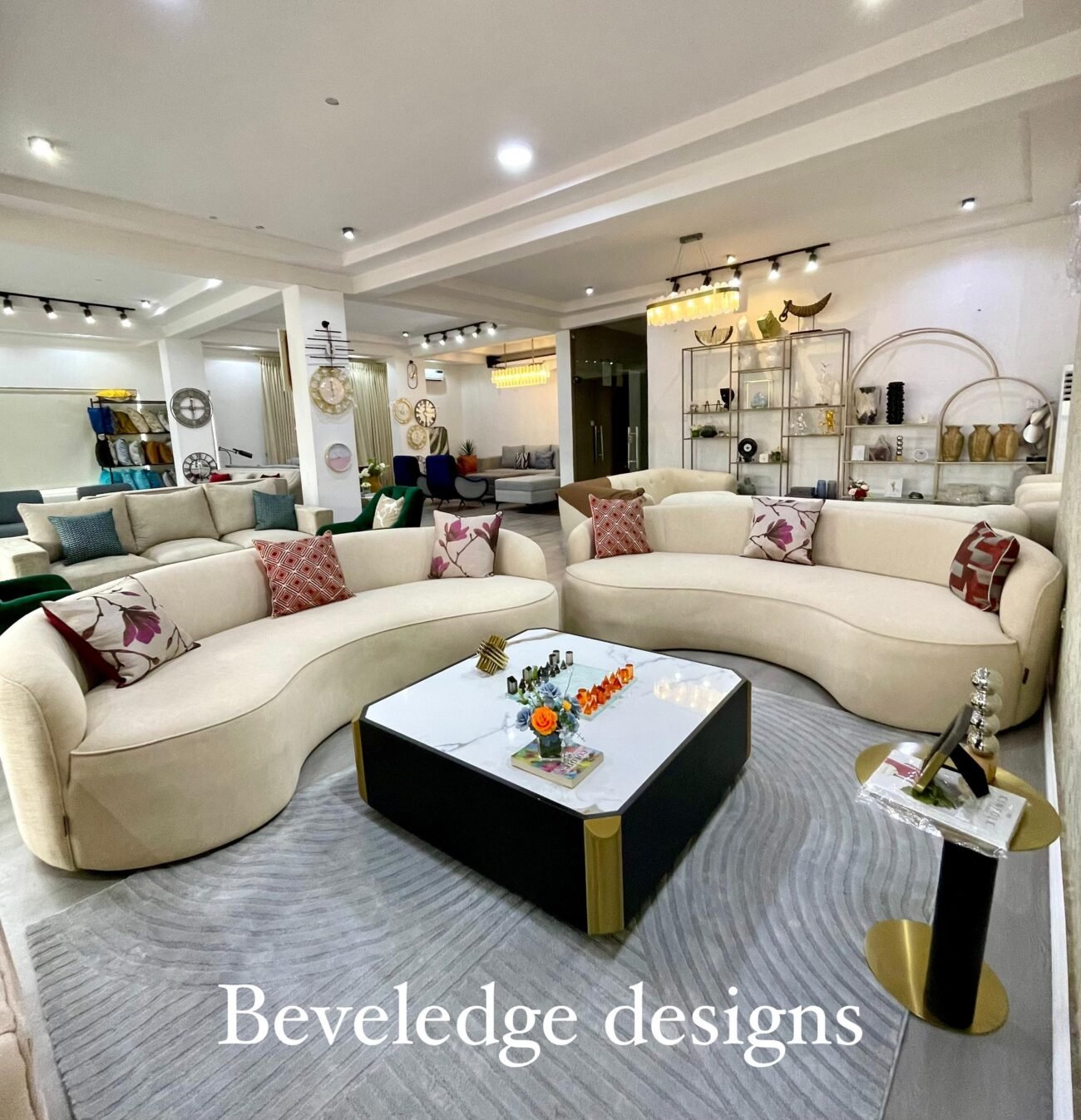
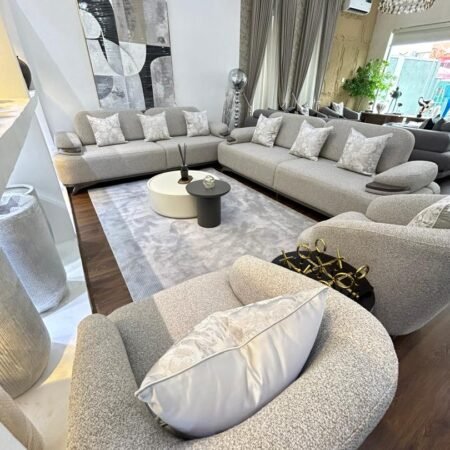
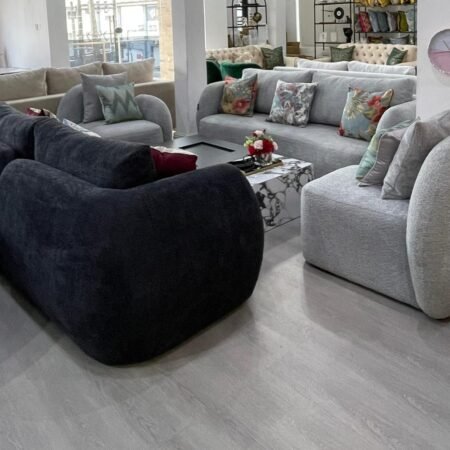
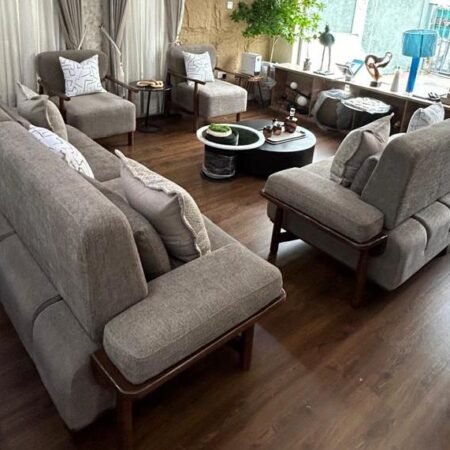
Lagos is evolving at a breathtaking pace, and so are the homes within it. From the high-rise apartments of Victoria Island to the sprawling estates of Lekki Phase 1 and the heritage bungalows of Surulere, Nigerian homeowners are investing more deliberately in interior design than ever before. In 2026, the intersection of Afrocentric identity, sustainable living, and smart technology is reshaping what it means to have a beautiful, functional Lagos home. We have curated the most comprehensive guide to the interior design trends defining Nigerian homes this year.
Afrocentric Design: Rooting Nigerian Homes in Cultural Identity
The most dominant force in Lagos interior design in 2026 is the unapologetic celebration of African heritage. Afrocentric design is no longer a niche aesthetic — it is the mainstream. Nigerian homeowners are incorporating hand-woven Aso-Oke textiles as wall art and upholstery, commissioning Benin bronze-inspired sculptures as centrepieces, and integrating adire and ankara-print cushions into modern living rooms.
Colour palettes are drawing from the Nigerian landscape — terracotta from Abuja’s red soil, deep indigo from Yoruba dye traditions, forest greens inspired by the Niger Delta, and warm ochres from Hausa architecture. These are not decorative afterthoughts; they are deliberate cultural statements that give Lagos homes a globally distinctive character.
Furniture craftsmen in Ogun State, Aba, and Lagos itself are receiving unprecedented demand for custom-built pieces that blend mid-century modern silhouettes with African wood carving motifs. Iroko, mahogany, and obeche wood remain the premier choices, prized for their durability and rich grain.
Biophilic Design: Bringing Nature Into the Urban Lagos Home
With Lagos being one of Africa’s most densely populated cities, the desire to reconnect with nature inside the home has never been stronger. Biophilic design — the practice of integrating natural elements into living spaces — is among the fastest-growing interior trends across Ikoyi, Magodo, and Ajah.
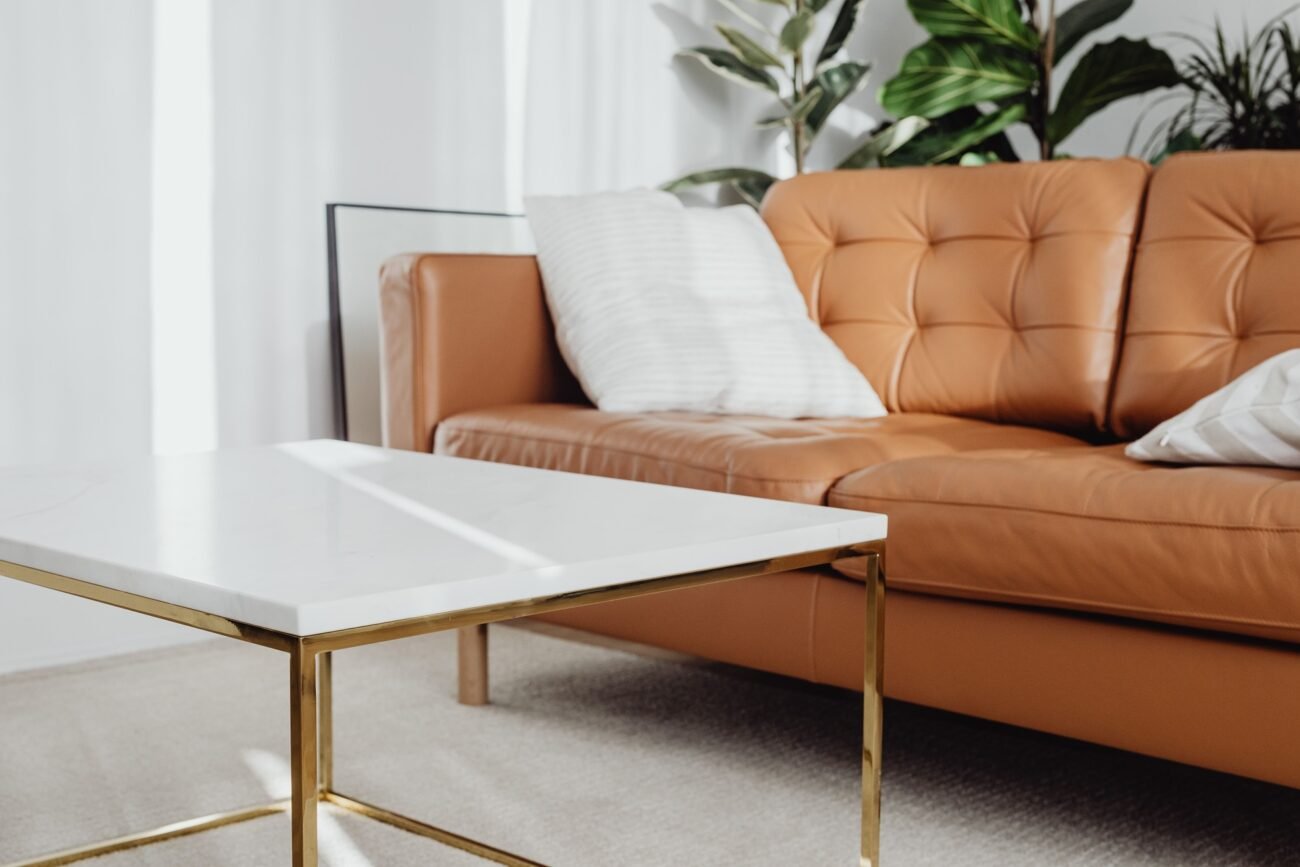
Homeowners are installing living green walls in entryways and home offices, placing statement fiddle-leaf fig trees and monstera plants in living rooms, and using natural stone finishes on kitchen countertops and bathroom walls. Rattan and bamboo furniture from manufacturers in Southeast Nigeria are appearing in outdoor lounges and interior sitting rooms alike.
Natural light maximisation is equally central to this trend. Floor-to-ceiling sliding glass doors, skylights over stairwells, and open-plan layouts that allow cross-ventilation are being specified by architects and interior designers across upscale Lagos neighbourhoods. This is not merely aesthetic — in Lagos’s tropical climate, smart use of natural airflow directly reduces electricity consumption.
Smart Home Integration: Technology Meets Nigerian Living
The smart home revolution has arrived in Lagos in full force. In 2026, mid-to-high income Nigerian homeowners are specifying automated lighting systems, smart security cameras with remote access, voice-controlled air conditioning, and automated gate and intercom systems as standard features rather than luxuries.
Key brands operating in the Nigerian smart home market are offering integrated systems that can be controlled via smartphone apps — particularly valuable for Lagos homeowners who split time between the city and Abuja, Port Harcourt, or international destinations. Solar-powered smart homes are especially popular given Nigeria’s ongoing power supply challenges; inverter banks paired with solar arrays now serve as the foundation upon which smart home systems are built.
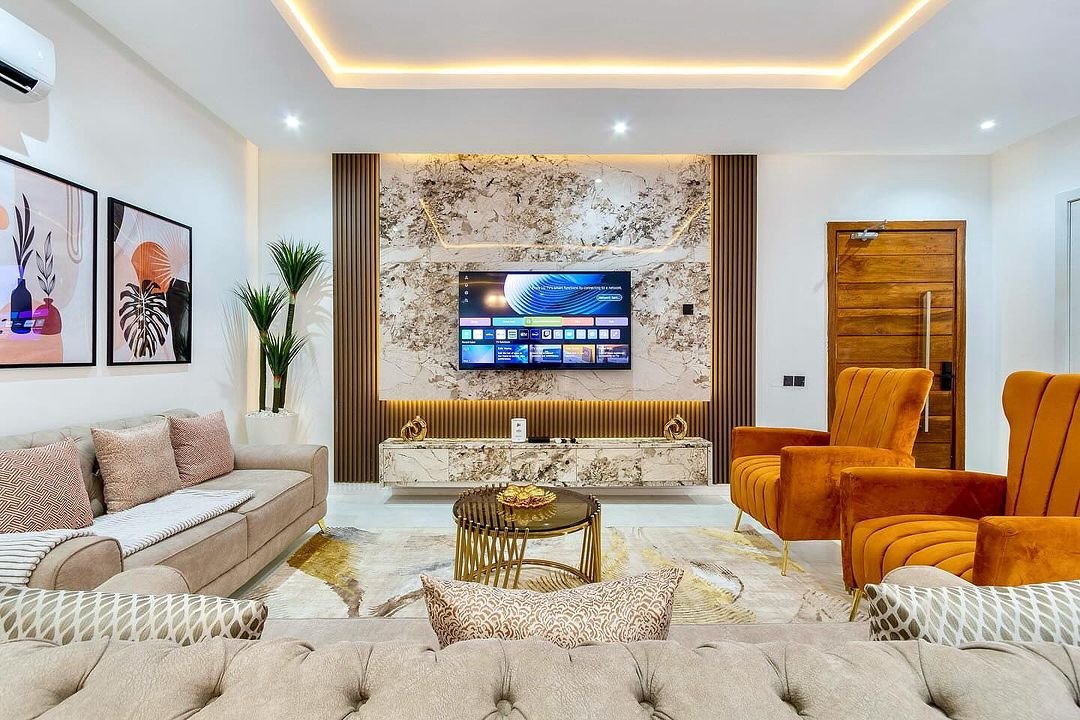
Interior designers are responding by concealing technology elegantly — recessed LED strip lighting, hidden cable management systems, flush-mounted speakers, and built-in tablet control panels are all being incorporated seamlessly into contemporary Lagos interiors.
Maximalist Interiors: More Is More in Lagos
While Scandinavian minimalism dominated global design conversations for over a decade, Lagos is firmly embracing maximalism in 2026. This is a design philosophy that aligns naturally with Nigerian sensibilities — bold, layered, expressive, and abundant.
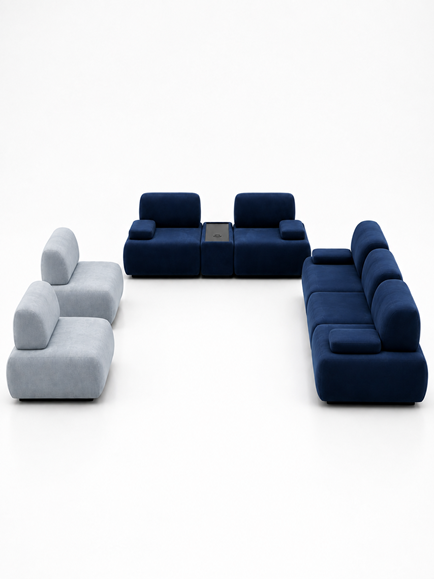
Gallery walls combining family photography, contemporary Nigerian art, and decorative mirrors are replacing bare painted surfaces. Jewel-toned velvet sofas in emerald, sapphire, and burgundy are anchoring living rooms. Patterned ceramic floor tiles — particularly encaustic and terrazzo styles — are being used throughout kitchens and hallways to add visual energy.
Nigerian artists including those from the Yaba art community and Omenka Gallery stable are seeing their works enter the homes of Lagos’s professional class as investment-grade interior statements. Collectors are commissioning bespoke paintings, tapestries, and mixed-media installations designed specifically around their home’s spatial dimensions and colour schemes.
Functional Luxury: The Rise of the Multi-Purpose Room
The post-pandemic reassessment of how we use our homes has permanently altered the Lagos interior design brief. Functional luxury — spaces that are simultaneously beautiful and highly practical — is the expectation in 2026.
Home offices are being designed as permanent, curated spaces rather than makeshift corners, with acoustic panelling, ergonomic furniture, integrated shelving, and task lighting specified to professional standards. Home gyms with mirrored walls and rubber flooring are appearing in even mid-sized Lagos apartments. Chef’s kitchens with island units, pot-filler taps, double ovens, and walk-in pantries are now the aspiration across upper-middle-class Lekki and Ikeja GRA households.
Guest bedrooms are being reimagined as dual-purpose suites that function as home libraries or creative studios when not in use. The Lagos homeowner in 2026 demands that every square metre of their property earns its place.
Sustainable Materials: Conscious Design in a Nigerian Context
Sustainability is becoming a significant consideration for Lagos interior design clients. Recycled glass countertops, locally sourced stone, reclaimed wood shelving, and low-VOC paints are being requested with increasing frequency. Nigerian interior designers are sourcing from local artisans and manufacturers where possible — both to reduce the carbon footprint associated with importation and to support indigenous craftspeople.
Terrazzo — historically popular across Yoruba architecture — is experiencing a major revival, appearing on floors, bathroom vanities, and even furniture surfaces. Its durability in Lagos’s climate and its adaptability to bold, colourful aggregates make it ideal for the current maximalist moment.
Colour Trends Defining Lagos Homes in 2026
The dominant colour directions for Lagos interiors this year move decisively away from safe neutrals. Warm terracotta, bold cobalt, deep forest green, burnt sienna, and rich plum are appearing across accent walls, cabinetry, and upholstery. These are colours that respond to Lagos’s light conditions — vibrant under the intense Nigerian sun, and warm and dramatic under evening artificial lighting.
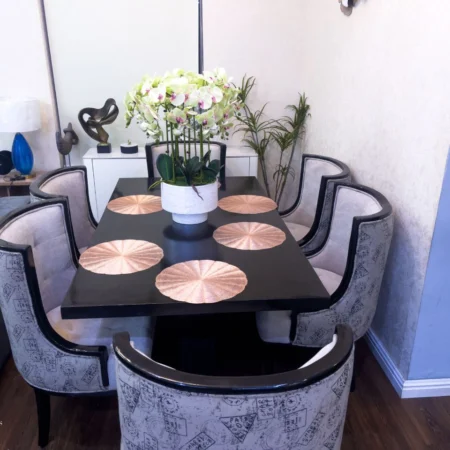
Colour-drenching — the practice of painting walls, ceilings, and trim in the same rich hue — is a technique gaining traction in Lagos dining rooms and powder rooms, creating immersive, jewel-box spaces that feel both intimate and dramatic.
Working With a Lagos Interior Designer in 2026: What to Expect
The professional interior design industry in Lagos has matured considerably. Clients working with established firms in 2026 can expect mood boarding sessions, 3D visualisation renders, project management services, and procurement support as standard offerings. Fees are typically structured as a percentage of the total project budget or as a fixed professional fee, with leading Lagos designers charging between ₦500,000 and several million naira for full residential projects depending on scope.
Platforms connecting clients with vetted Nigerian interior designers are growing in number, and social media — particularly Instagram and Pinterest — continues to serve as the primary inspiration and discovery tool for both clients and designers across Lagos.
The Lagos home in 2026 is a confident, culturally grounded, technologically enabled, and deeply personal space. Nigerian homeowners are no longer following global trends passively — they are setting their own.
Leave a comment