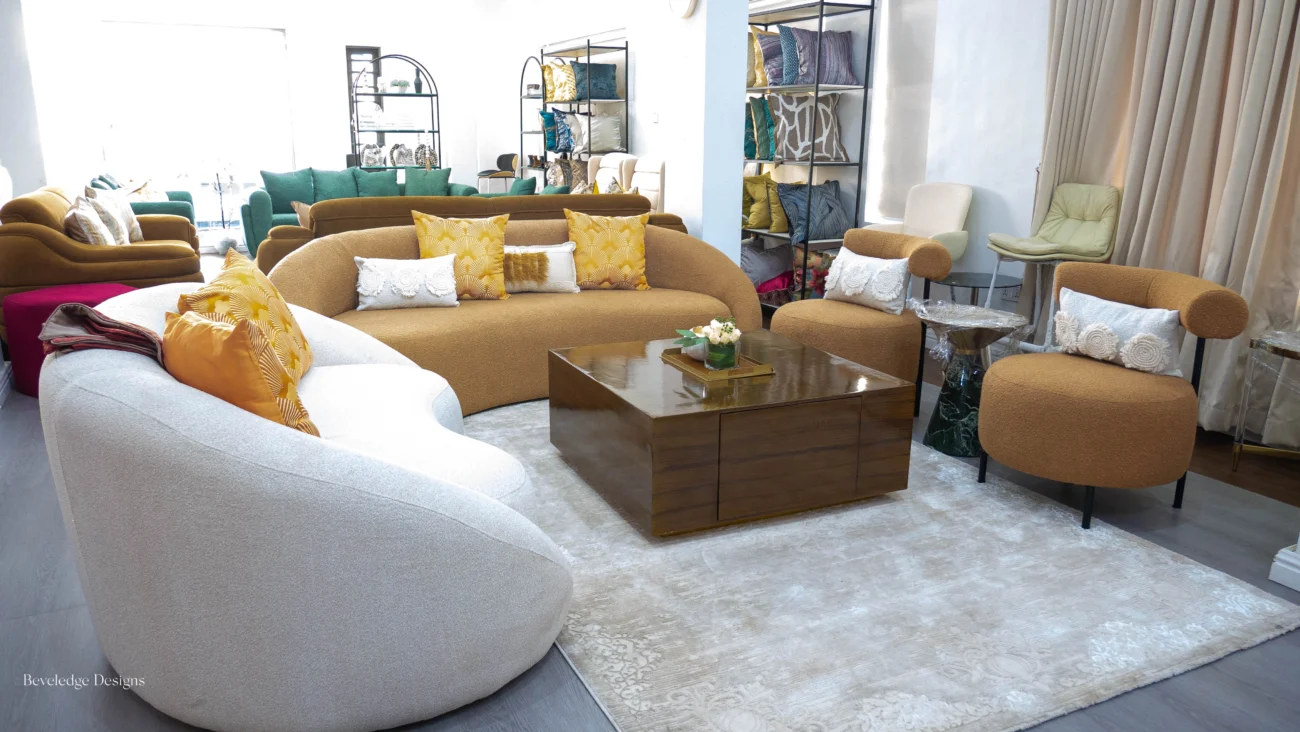
living Room Furniture

7 Shocking Mistakes You’re Making When Buying Living Room Furniture

Your living room is the heart of your home. It’s where you unwind after a long day, entertain guests, and create lasting memories with loved ones. So when it comes to furnishing this essential space, you’d think we’d all be experts, right? Wrong. The truth is, most of us make critical mistakes that leave us with buyer’s remorse, uncomfortable seating, and a room that just doesn’t feel quite right.

Have you ever purchased a gorgeous sofa only to discover it doesn’t fit through your front door? Or invested in a stunning coffee table that makes navigating your living room feel like an obstacle course? You’re not alone. These furniture-buying blunders are surprisingly common, and they can cost you time, money, and peace of mind.

In this comprehensive guide, we’ll explore seven shocking mistakes people make when buying living room furniture—and more importantly, how you can avoid them. Whether you’re furnishing your first apartment or refreshing a space you’ve lived in for years, understanding these pitfalls will help you create a living room that’s both beautiful and functional.

Mistake #1 – Ignoring Room Measurements

Why Size Matters

Let’s start with the most fundamental mistake: not measuring your space properly. It sounds basic, but you’d be amazed how many people eyeball dimensions or make rough estimates when shopping for furniture. This approach is a recipe for disaster.

Your living room has specific dimensions, and your furniture needs to fit proportionally within that space. A sectional sofa that looks perfect in a showroom might overwhelm a small living room, making it feel cramped and claustrophobic. Conversely, furniture that’s too small can make a large room feel empty and uninviting, like a shoebox with a few scattered items inside.

Before you even think about shopping, grab a tape measure and get precise measurements of your living room. Note the length and width of the room, ceiling height, and the location of windows, doors, radiators, and electrical outlets. Don’t forget to measure any architectural features like fireplaces or built-in shelving that will impact furniture placement.

Common Measurement Errors

One of the biggest mistakes people make is measuring the floor space but forgetting about the three-dimensional aspect of furniture. That sleek armchair might have a small footprint, but if it has a tall back, it could block your window view or interfere with wall art.

Another common error? Forgetting to account for the space furniture actually needs to function properly. A recliner, for instance, requires additional room behind it to fully extend. Drawers and cabinet doors need clearance to open. These functional spaces are just as important as the furniture’s base dimensions.

The Doorway Dilemma

Here’s where things get really interesting. You’ve measured your room, chosen the perfect sofa, and eagerly await delivery day. Then the delivery team arrives and informs you that your beautiful new furniture won’t fit through your front door, up your staircase, or around that tight corner in your hallway.

Always measure your doorways, hallways, stairwells, and any other passages your furniture needs to navigate to reach its final destination. Measure height, width, and depth, and don’t forget to account for angles when turning corners. Some furniture can be delivered in pieces and assembled on-site, but if you’ve fallen in love with a single-piece sectional, make sure it can actually get into your home first.

Mistake #2 – Choosing Style Over Comfort

The Beauty vs. Function Debate

We’ve all been there. You’re scrolling through Instagram or flipping through a design magazine when you spot it: the most gorgeous sofa you’ve ever seen. It’s sleek, modern, and would look absolutely stunning in your living room. You order it immediately, barely giving comfort a second thought.

Fast forward a few weeks, and you’re sitting on your beautiful new sofa, shifting uncomfortably, searching for a position that doesn’t leave your back aching. That minimalist design doesn’t have enough back support. Those trendy thin cushions feel more like sitting on a board than sinking into comfort.

Style is important—nobody wants an ugly living room. But remember, you’re going to be using this furniture regularly. If you spend every evening watching TV from your sofa, comfort needs to be a top priority. What good is a stunning piece of furniture if you dread sitting on it?

Testing Before Buying

If possible, always test furniture in person before purchasing. Sit on that sofa for more than five seconds. Really settle in. Lean back, adjust your position, and imagine spending a couple of hours there. Does the seat depth work for your height? Is the back support adequate? Do the armrests hit at a comfortable height?

For chairs, consider how you’ll use them. Will they be for casual lounging or more formal sitting during dinner parties? Different activities require different levels of support and comfort. A dining chair, for instance, should encourage good posture during meals, while a reading chair should provide cozier, more relaxed support.

Long-Term Comfort Considerations

Think beyond the initial test sit. Furniture feels different after years of use. High-quality foam maintains its support, while cheaper materials can flatten and become uncomfortable quickly. Consider how cushions are constructed, whether they’re reversible for even wear, and if they can be refilled or replaced over time.

Also think about accessibility. If you or someone in your household has mobility issues, consider furniture height. Sofas that are too low can be difficult to get up from, while chairs that are too high might not allow feet to rest comfortably on the floor.

Mistake #3 – Forgetting About Traffic Flow

Understanding Living Room Layout

Your living room isn’t a showroom where furniture exists purely for display. It’s a functional space where people need to move around comfortably. One of the most overlooked mistakes is arranging furniture in a way that disrupts natural traffic patterns.

Traffic flow refers to the pathways people naturally take through a space. In most living rooms, there are primary paths from the entrance to seating areas, from seating to windows or outdoor access, and between different functional zones. When furniture blocks these natural pathways, your living room becomes frustrating to navigate.

Picture this: you’re hosting friends, and someone needs to excuse themselves to use the bathroom. They have to awkwardly squeeze between the coffee table and sofa, disrupting conversations and nearly knocking over drinks in the process. That’s poor traffic flow in action.

Creating Walkways

A good rule of thumb is to maintain at least 30 inches of space for major walkways and 18-24 inches for secondary paths between furniture pieces. This allows people to move comfortably without feeling like they’re navigating an obstacle course.

Consider the most common routes through your living room. If the path from your front door to your kitchen cuts through the living area, make sure furniture arrangement accommodates this without forcing people to detour around the room’s perimeter. Similarly, if your living room provides access to a balcony or patio, keep that pathway clear and inviting.

Furniture Placement Tips

Float your furniture away from walls when possible. Many people push everything against the walls, thinking this maximizes floor space, but it often creates an awkward, disconnected feeling. Pulling seating into a more intimate grouping with clear paths around it actually makes a room feel more spacious and intentional.

Think about conversation zones. Can people seated on your sofa easily converse with someone in the armchair without shouting across the room? Is your coffee table within comfortable reach of all seating, or do people have to lean forward awkwardly to set down their drinks? These small details significantly impact how functional and welcoming your living room feels.

Mistake #4 – Buying Everything at Once

The Rush to Complete

Moving into a new place or deciding to redecorate can create an urgent feeling that you need to furnish your entire living room immediately. This impulse often leads to hasty decisions and purchases you’ll regret later.

When you buy everything at once, you’re making multiple major decisions simultaneously without the benefit of living with any individual piece. You might choose a sofa, coffee table, side tables, and entertainment center all in one shopping trip, only to discover later that they don’t work together as well as you’d hoped, or that one piece is uncomfortable or impractical.

There’s also a financial benefit to spacing out purchases. Quality furniture isn’t cheap, and buying everything at once can strain your budget, forcing you to compromise on quality or settle for pieces that aren’t quite right. By purchasing gradually, you can invest in better quality pieces without the financial pressure.

Benefits of Gradual Purchasing

Starting with key pieces and adding over time allows you to live with your choices and understand what your space truly needs. You might buy a sofa first and realize after a few weeks that you don’t actually need that oversized armchair you had planned on—a smaller side chair would work better.

Gradual purchasing also gives you time to shop smartly. Instead of accepting whatever is immediately available, you can wait for sales, hunt for vintage or second-hand treasures, or save up for that investment piece that’s slightly outside your budget but will serve you for decades.

Plus, there’s something satisfying about slowly curating a space rather than filling it all at once. Your living room develops character and personality over time, reflecting your evolving taste rather than a single shopping trip’s impulse decisions.

Mistake #5 – Overlooking Fabric and Material Durability

Lifestyle and Fabric Choices

That gorgeous cream-colored linen sofa looks absolutely stunning in the store, but is it practical for your lifestyle? If you have young children who eat snacks in the living room, or a dog who loves to curl up on the furniture, that pristine white fabric might become a source of constant stress rather than enjoyment.

Material choice should be directly connected to how you live. Active households with kids and pets need durable, stain-resistant fabrics. If you love hosting dinner parties, consider materials that can withstand the occasional wine spill. For households without these concerns, you have more flexibility to choose delicate or light-colored materials.

Different fabrics have different characteristics. Leather is durable and easy to wipe clean but can feel cold in winter and sticky in summer. Microfiber is stain-resistant and budget-friendly but may not have the luxurious feel of natural fabrics. Cotton is comfortable and breathable but wrinkles easily and can stain. Understanding these trade-offs helps you make informed decisions.

Maintenance Requirements

Every material has maintenance needs, and ignoring these requirements is a fast track to furniture that looks worn and shabby long before its time. Some fabrics require professional cleaning, while others can be spot-cleaned at home. Some materials develop a desirable patina with age, while others just look old and tired.

Before purchasing, ask about care instructions. If a piece requires dry cleaning or special treatments, factor that ongoing cost and effort into your decision. Sometimes a slightly more expensive, easier-to-maintain option is actually more economical in the long run.

Pet and Child-Friendly Options

If you share your home with furry friends or little ones, prioritize fabrics that can handle whatever they throw at it—sometimes literally. Performance fabrics are engineered to resist stains, moisture, and wear while still looking and feeling attractive.

Darker colors or patterns can hide minor stains and wear better than solid light colors. Tight weaves resist pet claws better than looser fabrics. Removable, washable cushion covers are a game-changer for households with messy members, whether they walk on two legs or four.

Consider wood finishes carefully too. Some finishes show every scratch and water ring, while others develop character with age. If you’re worried about damage, look for furniture with durable finishes or pieces where minor wear actually enhances the aesthetic, like reclaimed wood tables.
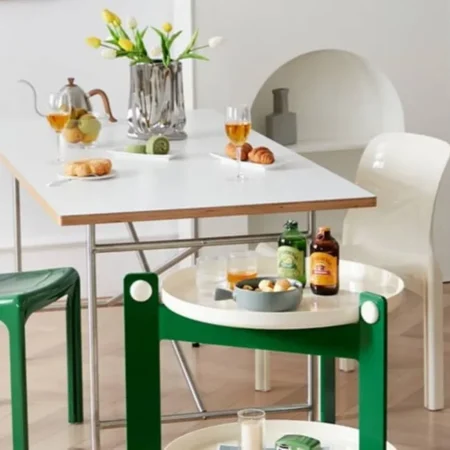
Mistake #6 – Ignoring Your Existing Color Scheme

Color Coordination Basics

You’ve found a stunning emerald green velvet sofa at an unbeatable price. It’s gorgeous, comfortable, and you absolutely love it. There’s just one problem: it clashes horribly with your existing burgundy curtains and terracotta walls.

One of the most common mistakes is falling in love with a piece in isolation without considering how it will integrate with your existing decor. Your living room should feel cohesive, with furniture, walls, and accessories working together to create a harmonious environment.

This doesn’t mean everything has to match perfectly—in fact, too much matching can make a space feel sterile and uninviting, like a furniture showroom rather than a lived-in home. But there should be a connecting thread, whether through complementary colors, similar tones, or a unifying style element.

Creating Visual Harmony

Start by identifying your room’s existing color palette. What are your wall colors? What about flooring, curtains, or any permanent fixtures you can’t easily change? These elements form the foundation of your color scheme, and new furniture should complement them.

If you’re working with neutral walls and floors, you have more flexibility to introduce bold furniture colors. But if you already have strong colors in place, consider how new pieces will interact with them. Use a color wheel to identify complementary colors that work together, or stick to variations of the same color family for a more subtle, sophisticated look.

Don’t forget about undertones. Two pieces might both be “brown,” but if one has warm red undertones and the other has cool gray undertones, they’ll clash despite technically being the same color family. Paying attention to these subtle differences prevents that vaguely “off” feeling that comes from mismatched undertones.

Mistake #7 – Sacrificing Quality for Price

Understanding True Value

We all love a good bargain, but when it comes to living room furniture, the cheapest option often ends up being the most expensive in the long run. That ultra-affordable sofa might seem like a steal, but if it starts sagging after six months and needs to be replaced within two years, you haven’t saved money—you’ve just delayed the inevitable while adding stress and inconvenience to your life.

Quality furniture is an investment. A well-constructed sofa with hardwood frame, quality foam cushions, and durable upholstery might cost more upfront, but it can serve you comfortably for 10-15 years or more. Compare that to cheaper alternatives that might need replacement every 2-3 years, and suddenly the higher initial cost makes financial sense.

Quality also impacts your daily experience. Better construction means more comfort, more durability, and furniture that maintains its appearance over time. There’s an intangible value in owning pieces that you genuinely love and enjoy using, rather than furniture that’s “good enough” but never quite satisfies.

Investment Pieces vs. Trendy Items

Not every piece of furniture needs to be a major investment. The key is understanding which items deserve your budget and which can be more economical choices. Generally, items you use most frequently and those that are difficult or expensive to replace should be investment pieces.

Your sofa falls into this category. You use it daily, it’s a focal point of your room, and replacing it is a significant undertaking. Invest in quality here. Similarly, a good coffee table that’s both functional and beautiful is worth the investment, as are comfortable, well-made chairs.

On the flip side, trendy decorative pieces, accent items, or furniture in styles you’re experimenting with can be more budget-friendly purchases. If you’re not sure about that bold color or unconventional design, it makes sense to test it out with a less expensive option. You can always upgrade later if you love it.

When to Splurge and When to Save

A practical approach is the 70/30 rule: spend 70% of your furniture budget on quality core pieces that you’ll use daily and need to last, and save 30% for accent pieces, decorative items, and trendy elements that you can swap out more easily.

Look for indicators of quality construction: hardwood frames rather than particle board, corner-blocked and glued joints rather than staples, high-density foam cushions, fabric that feels substantial, and reputable brand names with good warranties. These details indicate furniture that’s built to last.

Don’t be swayed by surface appearances alone. That inexpensive sofa might look great in the store, but poor construction won’t be apparent until after you’ve owned it for a while. Do your research, read reviews, and if possible, examine construction details before purchasing.

How to Avoid These Mistakes

Creating a Shopping Plan

The best way to avoid these costly mistakes is to approach furniture shopping with a solid plan. Start by thoroughly assessing your space: measure everything, photograph your room from multiple angles, and note your existing color scheme and any permanent fixtures.

Create a wishlist prioritized by necessity and budget. What do you absolutely need right away, and what can wait? This helps prevent impulse purchases and keeps you focused on what’s truly important for your space.

Establish a realistic budget that accounts for quality. Research what well-made pieces typically cost in the categories you’re shopping for, and set your expectations accordingly. If your budget won’t stretch to quality pieces for everything at once, plan to purchase gradually, investing in one good piece at a time.

Tools and Resources

Take advantage of technology to visualize before buying. Many furniture retailers offer augmented reality apps that let you place virtual furniture in your actual space using your smartphone camera. These tools aren’t perfect, but they can help you gauge scale and placement before committing to a purchase.

Consider creating a mood board with paint samples, fabric swatches, and photos of furniture pieces you’re considering. This visual reference helps you see how different elements work together and prevents clashing choices.

Don’t hesitate to work with interior design professionals if your budget allows. Even a single consultation can provide valuable guidance and prevent expensive mistakes. Many furniture stores offer free or low-cost design services to help customers make informed choices.

Conclusion

Furnishing your living room should be an exciting process, not a source of stress and regret. By avoiding these seven shocking mistakes—ignoring measurements, choosing style over comfort, forgetting traffic flow, rushing to buy everything at once, overlooking material durability, ignoring your color scheme, and sacrificing quality for price—you’ll create a space that’s both beautiful and functional.

Remember, your living room is deeply personal. It should reflect your style, support your lifestyle, and provide comfort for years to come. Take your time, do your research, and make thoughtful choices. The extra effort invested upfront will pay dividends in a living room you truly love.

Think of furniture shopping as a journey rather than a destination. Each piece you choose is an opportunity to enhance your home and express your personality. With the knowledge you’ve gained here, you’re well-equipped to navigate the furniture-buying process confidently and avoid the pitfalls that trap so many shoppers.

Your dream living room is within reach—it just requires a bit of planning, patience, and attention to these common mistakes. Now get out there and create a space that welcomes you home every single day.

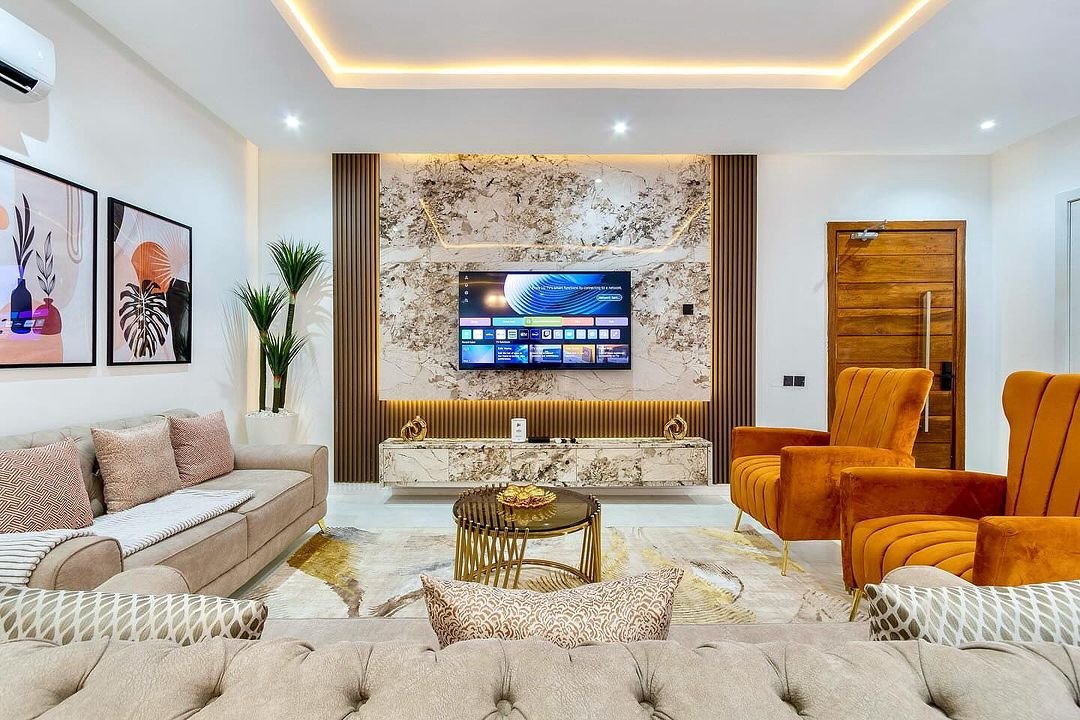
Wura Set

The Psychology of Comfort: How the Right Furniture Improves Your Mental Health and Productivity

The Hidden Connection Between Furniture and Mind

Have you ever wondered why you feel instantly relaxed in certain rooms while others make you anxious? The secret lies in something we often overlook – our furniture. The chairs we sit in, the desks we work at, and the beds we sleep on don’t just serve functional purposes. They’re silent architects of our mental state, quietly shaping our mood, productivity, and overall well-being throughout the day.

Think about it: you spend roughly 90% of your life indoors, interacting with furniture in countless ways. Yet most people choose furniture based purely on aesthetics or price, completely ignoring the profound psychological impact these pieces have on their daily lives. This oversight can cost you dearly in terms of mental health, productivity, and life satisfaction.

The emerging field of environmental psychology has revealed fascinating insights about how our physical surroundings directly influence our cognitive function, emotional state, and behavioral patterns. Your furniture isn’t just filling space – it’s actively participating in your mental health journey, either supporting your well-being or undermining it.

Understanding the Psychology of Environmental Comfort

The Science Behind Comfort and Cognitive Function

Environmental psychology research consistently shows that physical comfort directly correlates with mental performance. When your body feels supported and at ease, your brain can allocate more resources to higher-order thinking rather than managing physical discomfort. This phenomenon, known as cognitive load theory, explains why uncomfortable furniture can literally make you less intelligent.

Studies conducted at Cornell University found that people working in comfortable environments showed 25% better cognitive performance compared to those in uncomfortable settings. The researchers discovered that physical discomfort creates what psychologists call “cognitive interference” – your brain constantly processes discomfort signals, leaving fewer resources for creative thinking and problem-solving.

But comfort isn’t just about avoiding pain. True psychological comfort encompasses feelings of security, control, and belonging within your environment. When your furniture supports these feelings, you experience what researchers term “environmental fit” – a state where your surroundings actively enhance rather than hinder your mental processes.

How Physical Spaces Influence Mental States

Your brain is constantly scanning your environment for cues about safety, status, and social connection. Furniture plays a crucial role in this unconscious assessment. A well-designed chair doesn’t just support your spine; it signals to your subconscious that you’re in a safe, controlled environment where you can relax and focus.

This process happens through multiple sensory channels simultaneously. The texture of upholstery affects your tactile comfort, while the visual design influences your emotional response. Even the height of your furniture sends psychological signals – high-backed chairs can make you feel more authoritative and confident, while low, soft seating promotes relaxation and openness.

Neuroscience research using brain imaging technology has shown that comfortable environments activate the parasympathetic nervous system, which governs rest and restoration. This activation leads to improved focus, reduced anxiety, and enhanced creative thinking. Conversely, uncomfortable furniture triggers the sympathetic nervous system, keeping you in a subtle state of stress that impairs cognitive function.

The Mental Health Benefits of Comfortable Furniture

Reducing Stress Through Ergonomic Design

Chronic physical discomfort from poor furniture choices creates a cascade of stress responses in your body. When you’re constantly adjusting your position, dealing with back pain, or struggling with poorly designed surfaces, your cortisol levels remain elevated throughout the day. This chronic stress doesn’t just affect your physical health – it significantly impacts your mental well-being.

Ergonomic furniture serves as a buffer against this stress cycle. When your chair properly supports your spine’s natural curves, when your desk height allows your arms to rest comfortably, and when your feet can touch the floor without strain, your nervous system can shift into a more relaxed state. This isn’t just about preventing injury; it’s about creating the physical foundation for mental wellness.

Research from the Occupational Safety and Health Administration shows that workers with ergonomic furniture report 40% less mental fatigue and 60% fewer stress-related symptoms compared to those with standard furniture. The psychological benefits extend beyond the workplace – proper ergonomic support at home can improve sleep quality, reduce anxiety, and enhance overall life satisfaction.

Creating Safe Spaces for Emotional Well-being

Furniture plays a vital role in creating what psychologists call “restorative environments” – spaces that help you recover from mental fatigue and emotional stress. The key lies in choosing pieces that support your psychological need for comfort, control, and privacy.

Consider how a well-designed reading chair affects your mental state. Beyond physical comfort, it creates a defined personal space where you can retreat, reflect, and recharge. The psychological concept of “territorial behavior” explains why having furniture that feels uniquely yours contributes to emotional stability and self-efficacy.

The Role of Texture and Materials in Comfort

The materials your furniture is made from directly influence your psychological comfort through both conscious and unconscious pathways. Natural materials like wood and leather tend to create feelings of warmth and connection to nature, which research shows can reduce stress and improve mood. These materials also tend to age gracefully, creating a sense of permanence and stability that supports psychological well-being.

Synthetic materials can serve psychological functions too, but their impact varies greatly. Smooth, cool surfaces might promote alertness and focus in work environments, while soft, warm textures support relaxation and emotional comfort in living spaces. The key is matching material choices to the psychological function you want each space to serve.

Color Psychology in Furniture Selection

Colors have profound psychological effects that extend far beyond personal preference. Blue furniture tends to promote calm and focus, making it excellent for work areas. Green creates balance and reduces eye strain, perfect for spaces where you spend long periods. Warm colors like oranges and reds can stimulate energy and creativity but might be overwhelming in large doses.

Neutral colors provide psychological flexibility – they create a calm backdrop that allows you to control the emotional tone of your space through accessories and lighting. This adaptability is crucial for mental health, as it allows your environment to support different emotional needs throughout the day.

Boosting Productivity Through Strategic Furniture Choices

The Connection Between Physical Comfort and Focus

The relationship between physical comfort and mental focus operates through multiple psychological mechanisms. When your body is comfortable, your attention isn’t divided between the task at hand and managing physical discomfort. This undivided attention is crucial for entering what psychologists call “flow states” – periods of optimal performance characterized by deep focus and enhanced creativity.

Research in occupational psychology has identified specific furniture characteristics that promote sustained attention. Chairs with proper lumbar support reduce the micro-movements your body makes to compensate for poor posture, which can be surprisingly distracting to your conscious mind. Desks at the correct height prevent the subtle physical tension that builds up over time and gradually erodes your ability to concentrate.

But comfort alone isn’t enough. The most productivity-enhancing furniture strikes a balance between support and subtle stimulation. A chair that’s too comfortable might promote drowsiness, while one that’s too firm can create tension. The sweet spot is furniture that supports your body while keeping you alert and engaged.

Designing Your Workspace for Maximum Efficiency

Your workspace furniture arrangement sends powerful psychological signals about productivity and professionalism. A well-organized desk communicates competence to both visitors and, more importantly, to yourself. This self-perception effect, documented extensively in social psychology research, can actually enhance your performance and confidence.

The spatial relationship between your furniture pieces also affects your mental state. Having clear sightlines to windows or open spaces can prevent feelings of claustrophobia that impair creative thinking. Positioning your desk to give you a view of the room’s entrance satisfies an unconscious security need, allowing your brain to relax and focus on work rather than monitoring for potential threats.

The Importance of Proper Seating

Your chair is arguably the most psychologically significant piece of furniture in your workspace. It’s your primary interface with your environment for hours each day, and its design profoundly influences your mental state. Research shows that people sitting in high-quality, supportive chairs demonstrate increased confidence in their decisions and greater persistence when facing challenges.

The psychological benefits of good seating extend beyond comfort. A chair that positions you at the correct height relative to your desk and computer screen prevents the subtle dominance and submission cues that can affect your self-perception and motivation. When you’re not looking up at your screen or slouching down to reach your keyboard, you maintain a more confident, alert posture that supports peak mental performance.

Lighting and Furniture Placement

The interaction between your furniture and lighting creates complex psychological effects that most people never consider. The direction and quality of light hitting your workspace can either enhance or undermine the psychological benefits of well-chosen furniture. Natural light from the side rather than behind your computer screen reduces eye strain and supports your circadian rhythms, which are crucial for maintaining consistent energy and mood throughout the day.

Furniture placement that allows you to control your lighting environment gives you a sense of agency that psychologists link to improved motivation and job satisfaction. Being able to adjust your position relative to light sources throughout the day helps you maintain optimal alertness and prevents the mental fatigue that comes from fighting against poor environmental conditions.

Different Furniture Types and Their Psychological Impact

Seating Solutions for Mental Clarity

Different types of seating create distinct psychological environments that can either support or hinder your mental clarity. Traditional office chairs promote an alert, professional mindset but might feel restrictive during creative work. Ergonomic stools engage your core muscles and promote subtle movement, which research shows can enhance cognitive flexibility and creative thinking.

Lounge chairs serve a different psychological function entirely. They signal to your brain that it’s time to relax and reflect, which is crucial for processing information and generating insights. The key is having access to different seating options for different mental tasks rather than trying to find one chair that serves all purposes.

Alternative seating options like standing desks or balance balls can provide psychological benefits through their novelty and the mild physical engagement they require. However, research suggests these work best as temporary solutions rather than permanent replacements for well-designed traditional seating. The variety itself – having options – contributes to feelings of control and customization that support mental well-being.

Tables and Desks: Creating Productive Environments

Your desk or table serves as more than a work surface; it’s a psychological boundary that defines your productive space. The size, height, and organization of your desk surface directly influence your mental approach to work. A cluttered desk can create feelings of overwhelm and reduce your ability to focus, while an overly sparse desk might feel sterile and uninspiring.

Research in environmental psychology shows that desk size affects task persistence and creativity. Larger surfaces promote expansive thinking and long-term project focus, while smaller surfaces encourage concentration on immediate tasks. The material and finish of your desk also matter – natural wood surfaces tend to reduce stress, while glossy surfaces can increase alertness but might also create glare and visual fatigue.

Storage Solutions and Mental Organization

The psychological principle “external order supports internal order” explains why well-designed storage furniture is crucial for mental health. When your belongings have designated places and your environment feels organized, your mind is free to focus on more important matters rather than the low-level stress of managing clutter.

Different storage solutions create different psychological effects. Open shelving can make spaces feel larger and more dynamic but requires consistent organization to avoid visual chaos. Closed storage provides mental calm by hiding visual complexity but can lead to “out of sight, out of mind” problems if not well-organized internally.

The key is matching your storage solutions to your psychological needs and organizational style. Some people thrive with everything visible and accessible, while others need the mental peace that comes from clean, uncluttered surfaces. Understanding your own psychological responses to different organizational systems is crucial for choosing furniture that supports rather than stresses your mental processes.

Creating Zones of Comfort in Your Living Space

The Bedroom as a Sanctuary

Your bedroom furniture plays a crucial role in sleep quality, which directly impacts every aspect of your mental health. The bed itself is obviously important, but the entire furniture arrangement contributes to creating a psychologically restful environment. Bedside tables at the correct height eliminate the stress of reaching for essentials, while adequate storage prevents the anxiety that comes from visual clutter in your most private space.

The psychological concept of “bedroom as sanctuary” requires furniture that supports both physical rest and mental decompression. This means choosing pieces that feel substantial and secure rather than flimsy or temporary. Your bedroom furniture should communicate permanence and safety to your subconscious, supporting the deep relaxation necessary for restorative sleep.

Furniture arrangement in bedrooms also affects relationship dynamics for couples. Having equal access to storage, lighting controls, and personal space through thoughtful furniture placement reduces potential sources of minor daily stress that can accumulate into larger relationship tensions.

Living Room Dynamics and Social Well-being

Your living room furniture arrangement has profound effects on social interaction patterns and family dynamics. The way you position sofas, chairs, and tables either encourages or discourages conversation, affects power dynamics among family members, and influences how welcome guests feel in your space.

Research in environmental psychology shows that circular or semi-circular furniture arrangements promote equality and open communication, while linear arrangements can create subtle hierarchies. The distance between seating pieces affects intimacy levels – too close can feel invasive, while too far apart prevents meaningful connection.

The Psychology of Gathering Spaces

Creating effective gathering spaces requires understanding how furniture affects group psychology. Large sectional sofas can promote family bonding but might overwhelm smaller spaces and create feelings of confinement. Multiple smaller seating pieces offer flexibility but require careful arrangement to maintain conversational flow.

The height and comfort level of your seating also affects social dynamics. When everyone sits at the same height in equally comfortable seats, conversations tend to be more egalitarian and relaxed. Mixed seating heights or comfort levels can create subtle power imbalances that affect group interactions.

Coffee tables and side tables play supporting roles in social psychology by providing surfaces for drinks, books, and personal items. Their presence reduces the low-level stress of having nowhere to place things, allowing people to relax more fully into social interactions.

Common Furniture Mistakes That Harm Mental Health

Overcrowding and Claustrophobia

One of the most common furniture mistakes is cramming too many pieces into a space, creating a psychologically oppressive environment. Overcrowded rooms trigger stress responses because they limit your ability to move freely and can make you feel trapped. This effect is particularly pronounced in smaller spaces, where every furniture choice needs careful consideration.

The psychological concept of “personal space” extends to your relationship with furniture. When pieces are too close together or too large for their space, they can create feelings of claustrophobia even in people who don’t typically struggle with spatial anxiety. This stress is often subliminal – you might feel generally anxious or uncomfortable without realizing that furniture arrangement is the cause.

Overcrowding also affects cognitive function by creating visual complexity that your brain must constantly process. This “cognitive noise” reduces your mental resources for other tasks and can contribute to decision fatigue and mental exhaustion.

Poor Ergonomics and Physical Discomfort

Furniture that doesn’t fit your body properly creates cascading psychological effects that extend far beyond physical discomfort. Chronic pain or tension from poor ergonomics can lead to increased irritability, reduced patience, and decreased motivation. These effects compound over time, potentially contributing to anxiety and depression.

The psychological impact of poor ergonomics is often underestimated because the effects develop gradually. You might not realize that your afternoon energy crashes are related to morning back pain from a poorly designed chair, or that your difficulty concentrating stems from the subtle tension created by a too-high desk.

Poor ergonomics also affects your self-perception and confidence. When you’re constantly shifting positions, rubbing sore spots, or struggling with physical discomfort, you’re less likely to feel composed and professional. This can impact everything from work performance to social interactions.

Practical Tips for Choosing Mental Health-Friendly Furniture

Budget-Conscious Comfort Solutions

Creating a psychologically supportive environment doesn’t require expensive furniture, but it does require strategic thinking. Focus your budget on the pieces you interact with most frequently – your desk chair, bed, and primary seating areas. These high-impact pieces deserve the best you can afford because their psychological benefits compound over time.

For other pieces, look for furniture that serves multiple psychological functions. A storage ottoman provides seating, storage, and visual weight to anchor a seating area. A dining table that can serve as a work surface doubles your investment in productive spaces. The key is thinking about psychological function, not just physical function, when making choices.

Consider the long-term psychological costs of cheap furniture that needs frequent replacement. The stress of dealing with wobbly chairs, surfaces that damage easily, or storage that doesn’t function properly can outweigh any initial savings. Sometimes spending more upfront reduces long-term psychological costs.

Sustainable Choices for Long-term Well-being

Sustainable furniture choices often provide superior psychological benefits because they’re built to last and made from natural materials that create positive emotional responses. The knowledge that your furniture choices align with your values can also contribute to psychological well-being through what researchers call “value-behavior consistency.”

Natural materials age gracefully, which means your furniture can develop character over time rather than simply deteriorating. This aging process can create positive emotional attachments that contribute to feelings of home and belonging. Synthetic materials, while sometimes more practical, rarely develop this type of psychological resonance.

Consider the psychological impact of knowing your furniture’s story. Handcrafted pieces, vintage finds with history, or furniture made by local artisans can create emotional connections that mass-produced pieces rarely match. These connections contribute to what psychologists term “material attachment” – positive emotional relationships with objects that support overall well-being.

Conclusion

The psychology of comfort reveals that furniture is far more than functional objects filling our spaces – they’re active participants in our mental health journey. Every chair you sit in, desk you work at, and bed you sleep in either supports or undermines your psychological well-being. The research is clear: thoughtfully chosen furniture can reduce stress, boost productivity, and enhance your overall quality of life.

Understanding these psychological principles empowers you to make furniture choices that serve your mental health as well as your practical needs. Whether you’re dealing with a tight budget or unlimited resources, the key is recognizing that your furniture investment is really an investment in your daily mental state and long-term well-being.

The next time you’re choosing furniture, ask yourself not just “Do I like how this looks?” or “Will this fit in my space?” but also “How will this make me feel every day?” Your mental health deserves furniture that supports, nurtures, and enhances your psychological well-being. After all, you’re not just furnishing rooms – you’re creating the physical foundation for your mental life.

0
Back to Top

Search For Products

Product has been added to your cart
wait, before you continue...

Do you know we roll out exclusive discount every week to our subscribers? That means, you can shop with up to…

10% Off

All you have to do is tell us where to send it

[]