
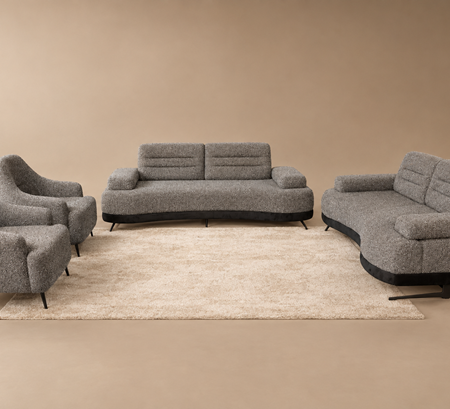
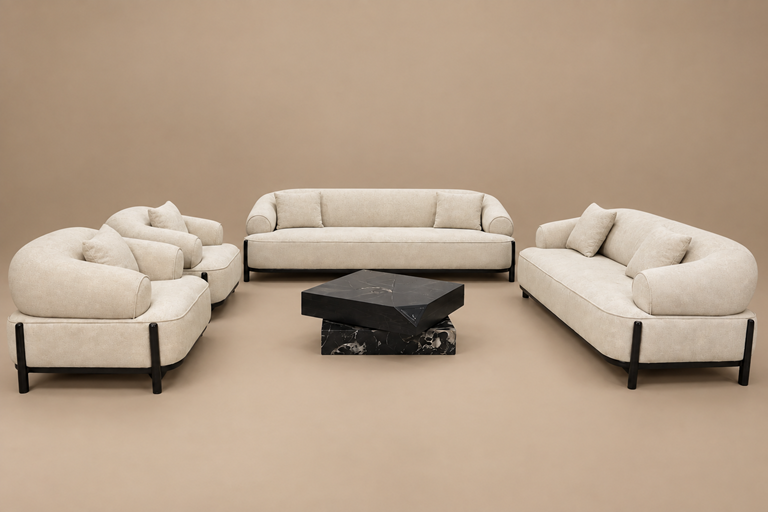
Wura 3,2,1,1 sofa set
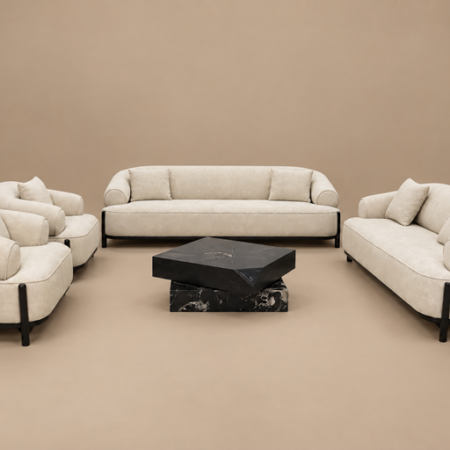
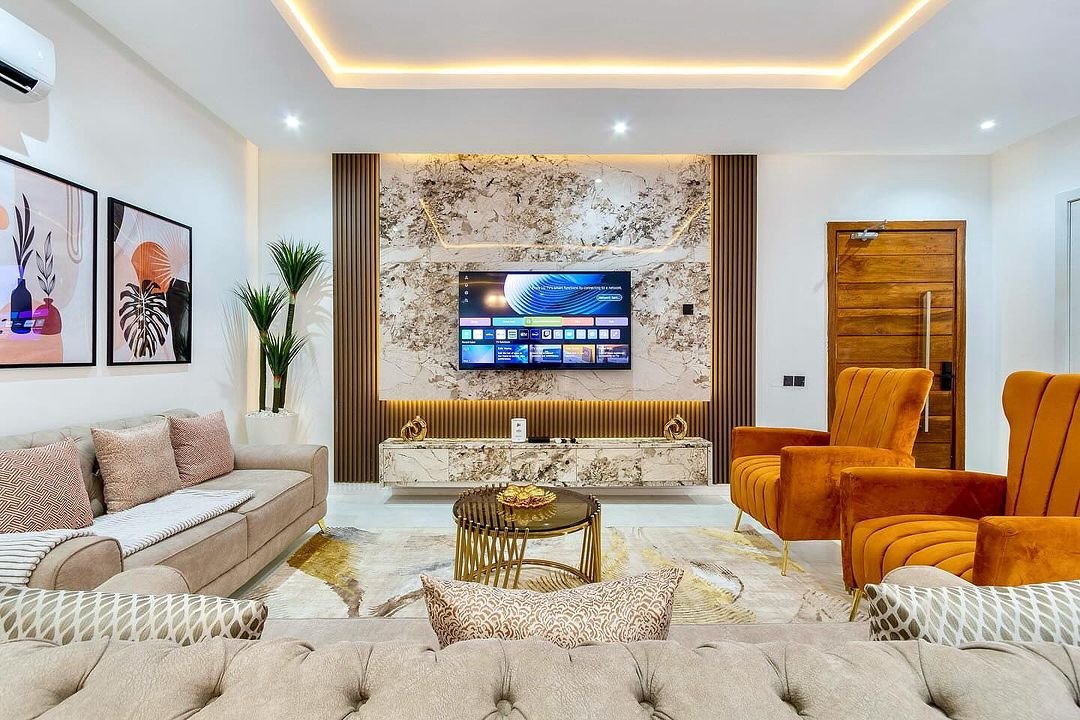
Oyinkan sofa set 3,2,1,1
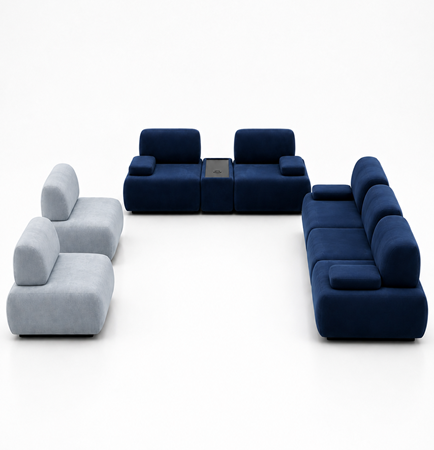
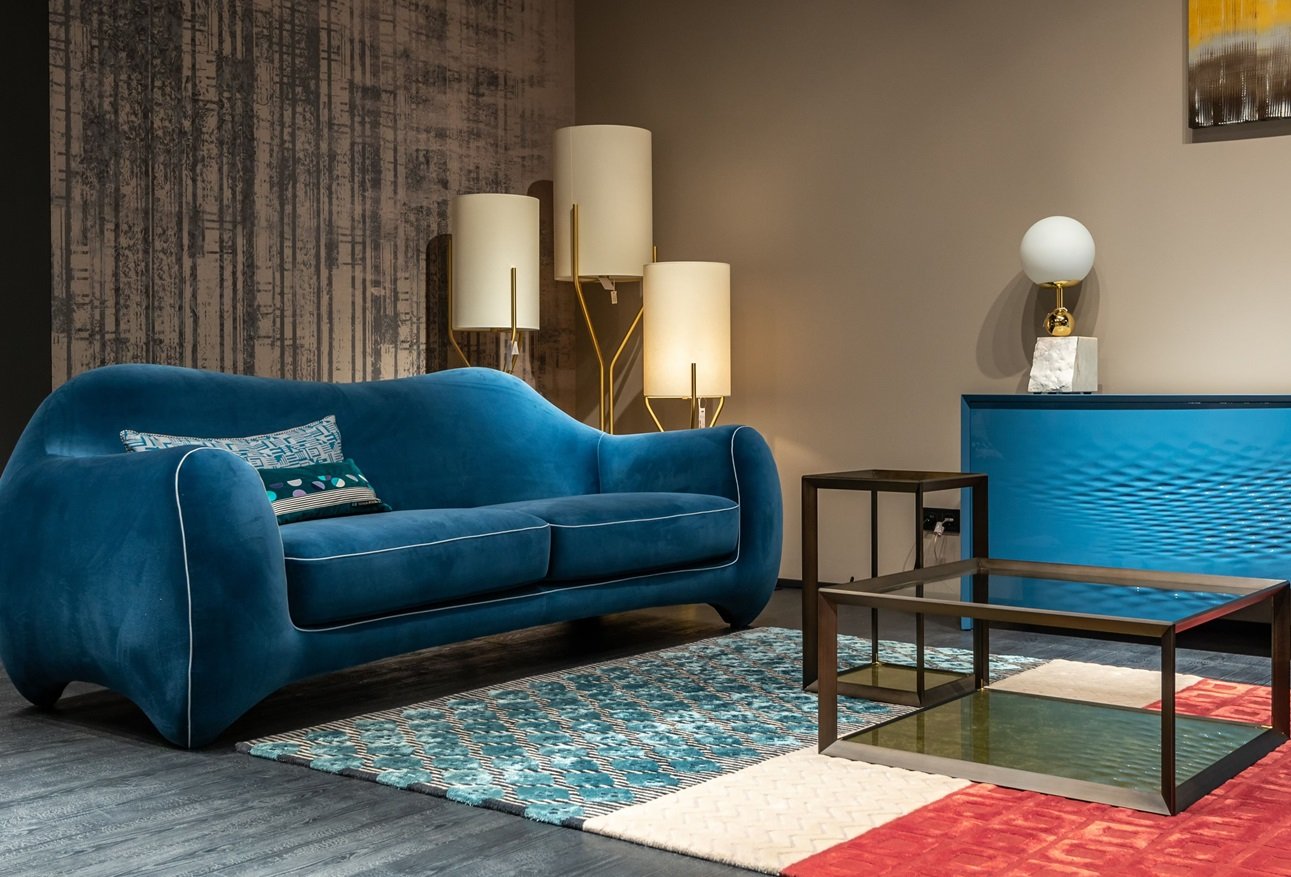
Kuku Sofa Set
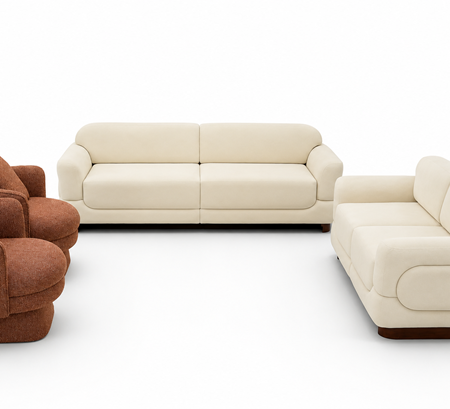
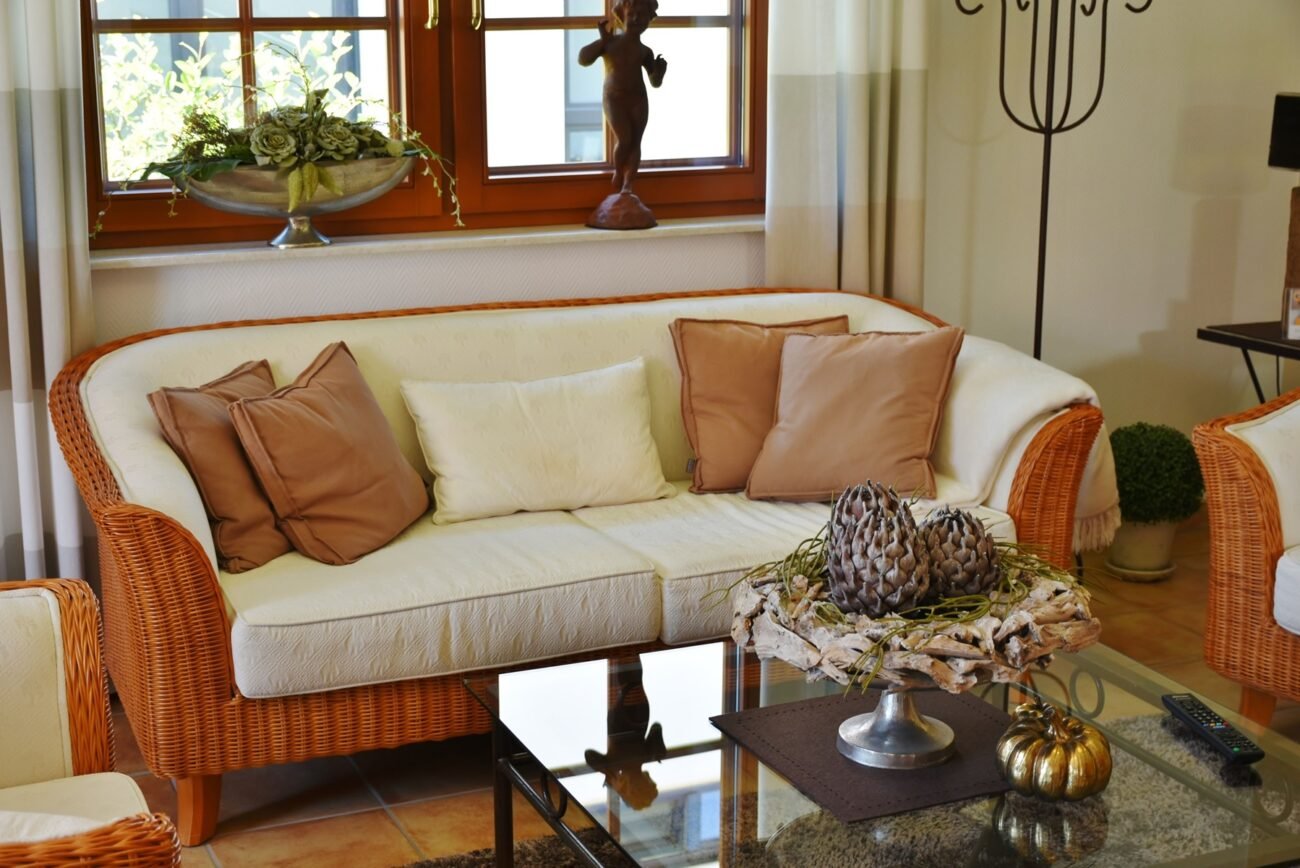
Alex sofa set 3,2,1,1
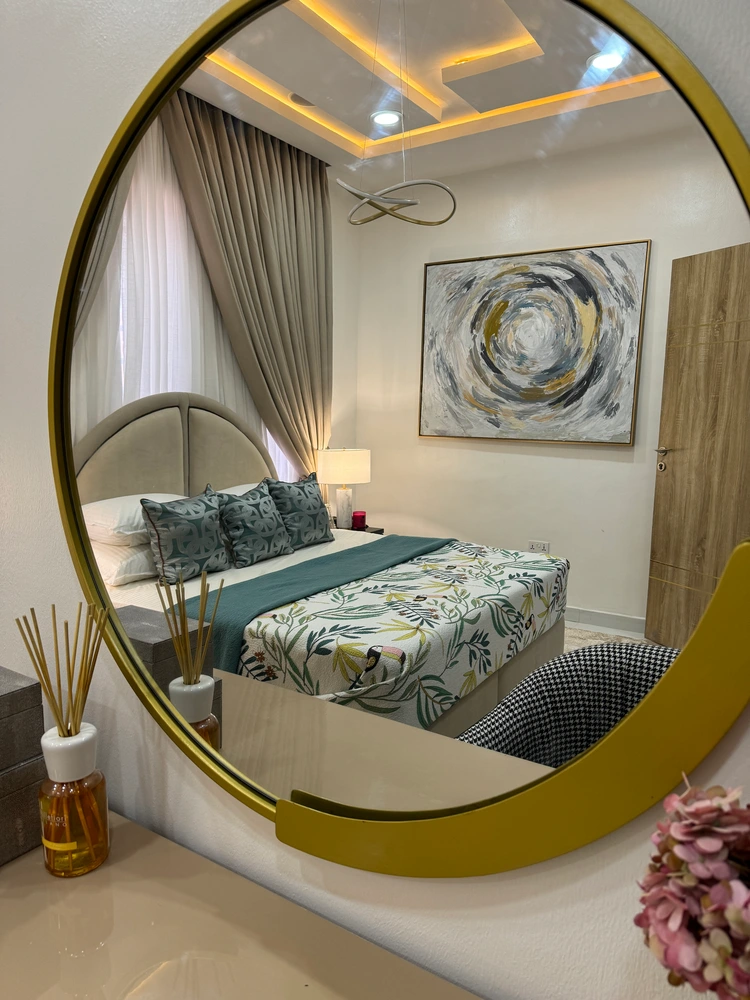
Your bedroom isn’t just a place to sleep—it’s your sanctuary. The right furniture doesn’t just make it look beautiful; it shapes how well you rest, recharge, and wake up ready to face the day. Choosing the perfect bedroom furniture means understanding how your sleep style and preferences connect with comfort and design.
Understanding Your Sleep Style
Before you even look at furniture catalogs, take a moment to think about how you sleep. Are you a side sleeper curling into the sheets, a back sleeper stretched like a starfish, or a stomach sleeper hugging your pillow?
Each position demands different levels of support and space, and that’s where furniture comes in. For instance, side sleepers may prefer softer mattresses, while back sleepers benefit from firmer support to keep the spine aligned.
The Bed: Centrepiece of Comfort
Your bed is the focal point of your bedroom and the foundation of good sleep. The design, height, and structure affect not just how your room looks but also how you feel when waking up.
Choosing the Right Bed Frame
Go for a sturdy frame that complements your décor. Wooden frames bring warmth and a rustic vibe, while metal frames add a modern or vintage touch. If you like a hotel-style feel, upholstered bed frames offer luxury and softness.
Matching Mattress Types to Sleep Styles
Side sleepers: memory foam or hybrid mattresses work best.
Back sleepers: Opt for medium-firm or firm mattresses.
Stomach sleepers: Choose firm mattresses for better spinal support.
Size Considerations
If you move a lot during sleep, a Queen or King bed offers space to stretch. Smaller rooms? A full-size or twin XL might be perfect.
Mattress Matters
The mattress is the soul of your sleep. Don’t fall for marketing buzz—focus on your comfort level.
Memory Foam: Moulds to your body and relieves pressure points.
Innerspring: Offers bounce and breathability.
Hybrid: The best of both worlds—support and comfort.
Your ideal mattress should keep your spine neutral and your muscles relaxed all night.
Selecting the Perfect Headboard
Headboards are not just decorative—they offer back support for reading or watching TV.
Upholstered headboards feel plush and cosy.
Wooden headboards create a natural, grounded feel.
Metal headboards deliver a minimalist, elegant touch.
Nightstands and Bedside Tables
Nightstands are small but mighty. Choose ones that align with your bed height for easy access to your lamp, water, or phone. If you like symmetry, have one on each side. For smaller rooms, floating nightstands save space while maintaining style.
Dressers and Storage Solutions
Your dresser should blend utility with design.
Vertical dressers save floor space.
Wide dressers offer generous top surfaces for décor.
Hidden storage beds are a lifesaver in compact bedrooms.
Wardrobes and Closets
Freestanding wardrobes bring flexibility, while built-ins offer sleek organization. Add mirrors to doors—they double your space visually and save wall space.
Seating in the Bedroom
Adding a chair or bench gives your bedroom a lounge-like comfort. A soft ottoman at the bed’s end or a reading nook with a cosy armchair can completely change your bedtime routine.
Choosing Bedroom Colours and Finishes
Your colour palette affects your sleep.
Cool tones (blues, greens): Promote calm.
Warm tones (beige, taupe): Create cosiness.
Neutrals: Offer timeless elegance.
Coordinate finishes—if your bed frame is dark wood, match or contrast with lighter tones for balance.
Lighting: The Unsung Hero of Bedroom Design
Lighting can make or break your sleep atmosphere.
Ambient lighting: General brightness.
Task lighting: Perfect for reading.
Accent lighting: Adds mood and personality.
Consider dimmable lights or smart bulbs to create a relaxing pre-sleep environment.
Ergonomics and Sleep Health
Good bedroom design isn’t just visual—it’s about alignment.
Make sure your bed height suits your body type (your knees should be level when sitting). Avoid overly high dressers or low side tables that strain your posture.
Space Planning and Layout Tips
Keep pathways clear and ensure furniture proportions suit your room size. A cramped layout disrupts energy flow and relaxation. Place your bed opposite or adjacent to a window for natural light balance.
Sustainability and Material Choices
Go for furniture made from sustainable wood, bamboo, or reclaimed materials. They’re durable, stylish, and eco-friendly—good for you and the planet.
Choosing the perfect bedroom furniture isn’t just about matching aesthetics—it’s about matching you. Your sleep style, comfort preferences, and lifestyle should guide your choices. When everything aligns—bed, storage, lighting, and layout—your bedroom becomes more than a room. It becomes your personal retreat.



Leave a comment