
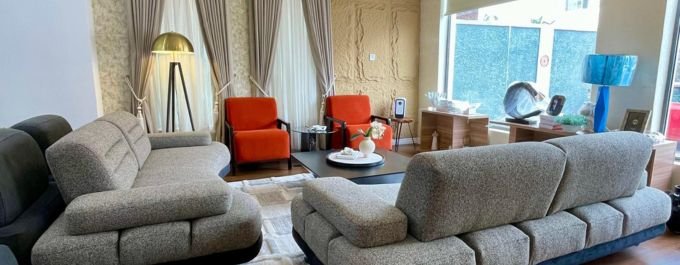

Eminent sofa set

Wura 4,3,1,1 sofa set

Joke 3,3,1,1 Sofa Set

Talia sofa 3,3,1,1 set (Without Pillows)
The Challenge of Furnishing Small Spaces
Living in a compact home or apartment doesn’t mean you have to sacrifice comfort or style. In fact, choosing the right furniture can transform even the tiniest living room into a welcoming oasis that feels both functional and fabulous. The sofa, being the centerpiece of most living spaces, deserves special attention when you’re working with limited square footage.
But here’s the thing: finding that perfect sofa for a small space can feel like searching for a needle in a haystack. Too big, and your room feels cramped. Too small, and it looks out of place. How do you strike that perfect balance? That’s exactly what we’re diving into today.
Why Your Sofa Choice Matters in a Compact Home
The Sofa as a Focal Point
Your sofa isn’t just furniture—it’s the anchor of your living space. In a compact home, every piece needs to earn its keep, and your sofa is no exception. It sets the tone for your entire room, influencing everything from color schemes to how people move through the space.
Think of your sofa as the lead actor in a play. Everything else on stage supports it, but it’s the star that draws the eye first. When you nail this choice, the rest of your decorating decisions become significantly easier.
Functionality Meets Style
In small spaces, you can’t afford furniture that only looks good or only serves one purpose. Your sofa needs to be a multitasking champion. Maybe it’s where you binge-watch your favorite shows, host friends for game night, or even serves as a guest bed when your sister visits unexpectedly.
The beauty of modern furniture design is that you don’t have to choose between aesthetics and practicality anymore. There are stunning options out there that do both exceptionally well.
Understanding Your Space Before You Shop
Measuring Your Room Accurately
Before you fall in love with that gorgeous sofa online, grab your measuring tape. And I mean really measure—not just eyeball it. You’ll need the length, width, and height of your available space. Don’t forget to account for doorways, hallways, and staircases the sofa needs to navigate to get into your apartment.
Here’s a pro tip: measure twice, buy once. Create a floor plan on paper or use one of those handy room planning apps. Visualizing the space beforehand can save you from the heartbreak of having to return a sofa that simply won’t fit.
Considering Traffic Flow and Lifestyle
How do you actually use your living space? Do you need a clear path from the door to the kitchen? Do you have kids or pets who need room to play? Understanding your lifestyle patterns helps you position your sofa in a way that enhances rather than hinders daily life.
A good rule of thumb is to leave at least 30 inches of walking space around your sofa. This creates comfortable navigation without making the room feel like an obstacle course.
Types of Sofas Perfect for Small Spaces
Loveseats: Compact Yet Cozy
Loveseats are the darlings of small-space living, and for good reason. Typically measuring between 52 and 64 inches wide, they provide comfortable seating for two without overwhelming your room. They’re particularly brilliant for studio apartments or as secondary seating in bedroom sitting areas.
Modern loveseats come in every style imaginable—from sleek mid-century modern designs to plush traditional options. The key is finding one with proportions that complement your space rather than dominate it.
Apartment-Size Sofas: The Goldilocks Option
Not too big, not too small—apartment-size sofas are designed specifically for urban living. They’re usually about 70 to 80 inches long, offering more seating than a loveseat while remaining manageable in tighter quarters.
What makes them special is their scaled-down depth. Standard sofas can be 40 inches deep, but apartment versions often measure closer to 30-35 inches, freeing up precious floor space while still providing comfortable seating.
Sectionals with a Twist
Wait, sectionals in small spaces? Absolutely! But we’re talking about smart sectionals here. L-shaped configurations can actually maximize corner space that might otherwise go unused. Look for compact sectionals or those with reversible chaise options that let you customize the layout to fit your exact room shape.
The trick is choosing sectionals with slim arms and lower profiles that don’t create visual bulk. Some even come as separate pieces that you can rearrange as your needs change.
Sleeper Sofas: Dual-Purpose Magic
If you occasionally host overnight guests but don’t have a spare bedroom, a sleeper sofa is your best friend. Today’s versions are light-years beyond those uncomfortable pullouts your grandma had. Many feature memory foam mattresses and easy mechanisms that won’t throw out your back.
The challenge is finding one that doesn’t sacrifice everyday comfort for occasional sleeping functionality. Test it both as a sofa and a bed before committing.
Armless Sofas: Visual Lightness
Here’s a design secret: removing arms from a sofa instantly makes it feel less imposing. Armless sofas create clean, uninterrupted lines that make spaces appear larger. They’re also super versatile—push one against a wall, float it in the middle of the room, or pair two to create a makeshift sectional.
The downside? You lose those convenient spots to rest your arms or set down your coffee cup. But if visual spaciousness is your priority, this trade-off might be worthwhile.
Material and Color Choices That Expand Your Space
Light Colors and Their Space-Enhancing Effects
There’s science behind why designers constantly recommend light colors for small spaces. Lighter hues reflect more light, creating an airier, more open feeling. A sofa in cream, light gray, or soft blue can make your living room feel significantly more spacious than a dark charcoal or navy option.
That said, don’t feel imprisoned by this rule. If you adore bold colors, you can absolutely make them work—just balance them with lighter elements elsewhere in the room.
Choosing the Right Upholstery Fabric
The fabric you choose affects both the look and practicality of your sofa. In small spaces, consider fabrics with a bit of texture or subtle pattern—they tend to hide wear and stains better than solid, smooth materials. Microfiber is fantastic for families with kids or pets because it’s durable and easy to clean.
If you’re going for elegance, linen and cotton blends offer that sophisticated look without being overly precious. Just remember: the lighter the color, the more maintenance it typically requires.
Smart Features to Look For
Storage Solutions Built Right In
When every square inch counts, furniture with hidden storage is pure gold. Some sofas come with storage compartments under the cushions or in the arms—perfect for stashing throw blankets, magazines, or remote controls. This built-in organization helps keep your small space looking tidy and clutter-free.
Imagine having a place for everything without needing additional furniture pieces. That’s the beauty of multipurpose design.
Convertible and Modular Designs
Modular sofas let you reconfigure your seating arrangement whenever the mood strikes or your needs change. Moved to a new apartment with a different layout? No problem—just rearrange the modules. Hosting a party? Create more seating by separating the pieces.
Some innovative designs even feature adjustable backs that shift from upright sitting to lounging positions, giving you multiple furniture pieces in one sleek package.
Styling Tips to Maximize Your Small Space
Placement Strategies That Work
Where you put your sofa matters almost as much as which sofa you choose. Floating it away from the wall (even just a few inches) can paradoxically make a room feel larger by creating depth and dimension. If you need to place it against a wall, consider adding a narrow console table behind it for visual interest and extra surface space.
Corner placement works beautifully for sectionals, while traditional sofas often look best centered on the longest wall, creating a balanced focal point.
Pairing Your Sofa with the Right Accessories
Less is definitely more in compact spaces, but that doesn’t mean bare and boring. A couple of well-chosen throw pillows in complementary colors add personality without clutter. A lightweight throw blanket draped casually over one arm invites coziness.
Keep coffee tables and side tables proportional to your sofa size—oversized pieces will make everything feel cramped. Glass or acrylic tables are particularly clever choices because they provide functionality while maintaining visual openness.
Common Mistakes to Avoid When Shopping
One of the biggest blunders people make is buying a sofa based solely on how it looks in a showroom. Remember, showrooms are designed to make furniture look its best—they’re usually much larger than your actual living space. Always refer back to your measurements.
Another mistake? Forgetting about doorways and stairwells. That perfect sofa won’t seem so perfect when it’s stuck halfway up your apartment building stairs. Check those dimensions carefully, and when in doubt, consider sofas with removable legs or backs.
Don’t sacrifice comfort for size, either. A tiny sofa that’s unbearable to sit on defeats the entire purpose. Test it out properly—sit, recline, and imagine spending hours there before making your decision.
Budget-Friendly Options Without Compromising Quality
Quality furniture doesn’t always require a massive investment. Many online retailers now offer stylish, well-made compact sofas at reasonable prices. The key is knowing what to look for: solid frames (hardwood is ideal), reinforced corners, and quality cushion construction.
Consider shopping during major sales events, or check out floor models for significant discounts. Some brands offer payment plans that make higher-quality pieces more accessible. Remember, a slightly more expensive sofa that lasts ten years is often a better investment than a cheap one that falls apart in two.
Secondhand and vintage options can be absolute treasures, too. With a little reupholstering, you can score a beautifully made vintage piece for a fraction of new retail prices.
Choosing the perfect sofa for your compact home or apartment doesn’t have to be an overwhelming challenge. By understanding your space, lifestyle needs, and the various options available, you can find a piece that not only fits physically but enhances your entire living experience. Remember that small spaces have unique advantages—they’re cozy, easier to maintain, and force you to be intentional about what you bring into your home.
Your perfect sofa is out there, whether it’s a streamlined loveseat, a clever sleeper sofa, or a modular piece that adapts to your changing needs. Take your time, do your research, and don’t be afraid to think creatively. With the right choice, your compact living space can deliver big on style, comfort, and functionality.


Leave a comment