
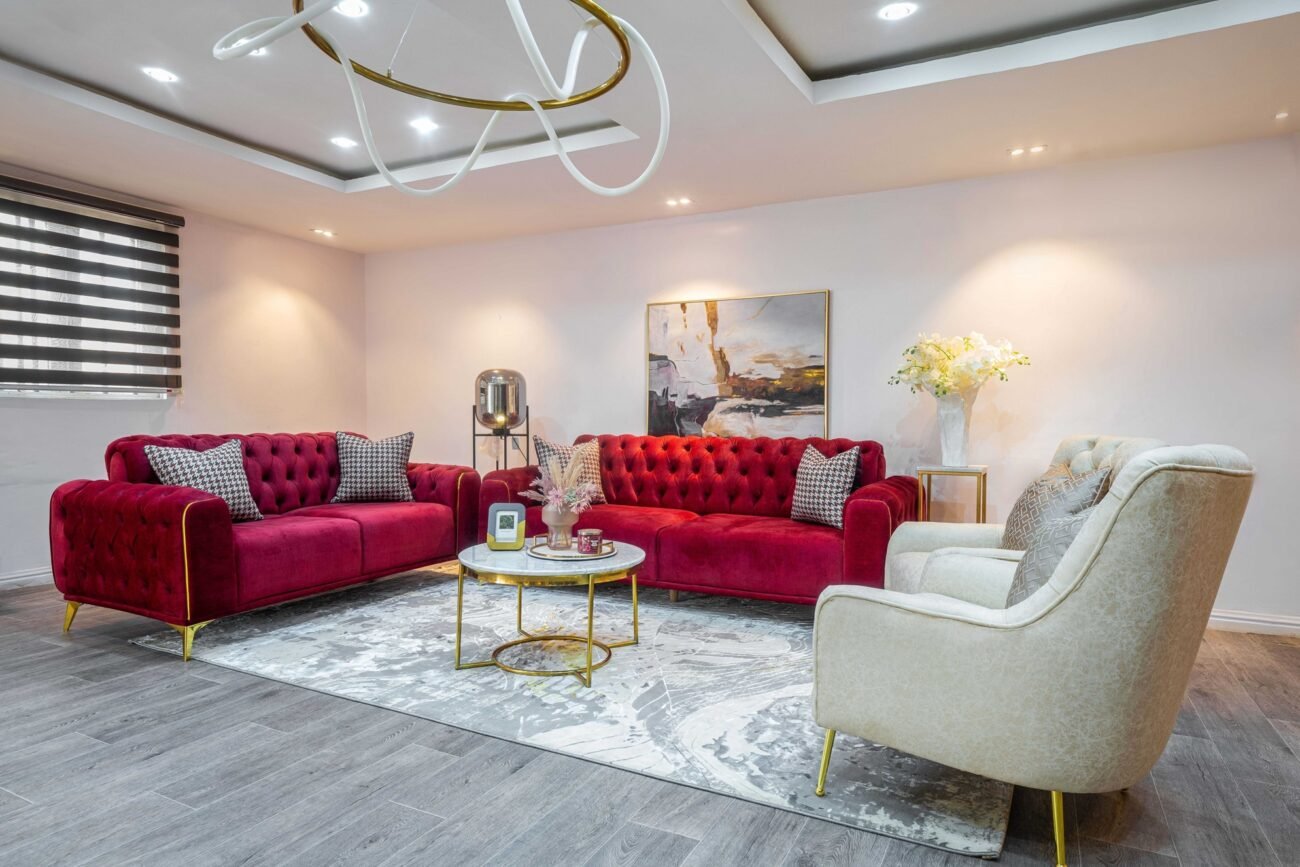

Eminent sofa set

Wura 4,3,1,1 sofa set

Joke 3,3,1,1 Sofa Set

Talia sofa 3,3,1,1 set (Without Pillows)
Transforming Living Spaces Without Breaking the Bank
Achieving a high-end interior aesthetic does not require a limitless budget. Across Nigeria, homeowners in Lagos, Abuja, Port Harcourt, and beyond are discovering that with the right design choices, any space can look curated, sophisticated, and undeniably luxurious — all while staying firmly within a realistic Naira budget. We have compiled the most effective, trend-forward interior design strategies that deliver premium results at accessible price points.
The Power of Neutral and Earthy Colour Palettes
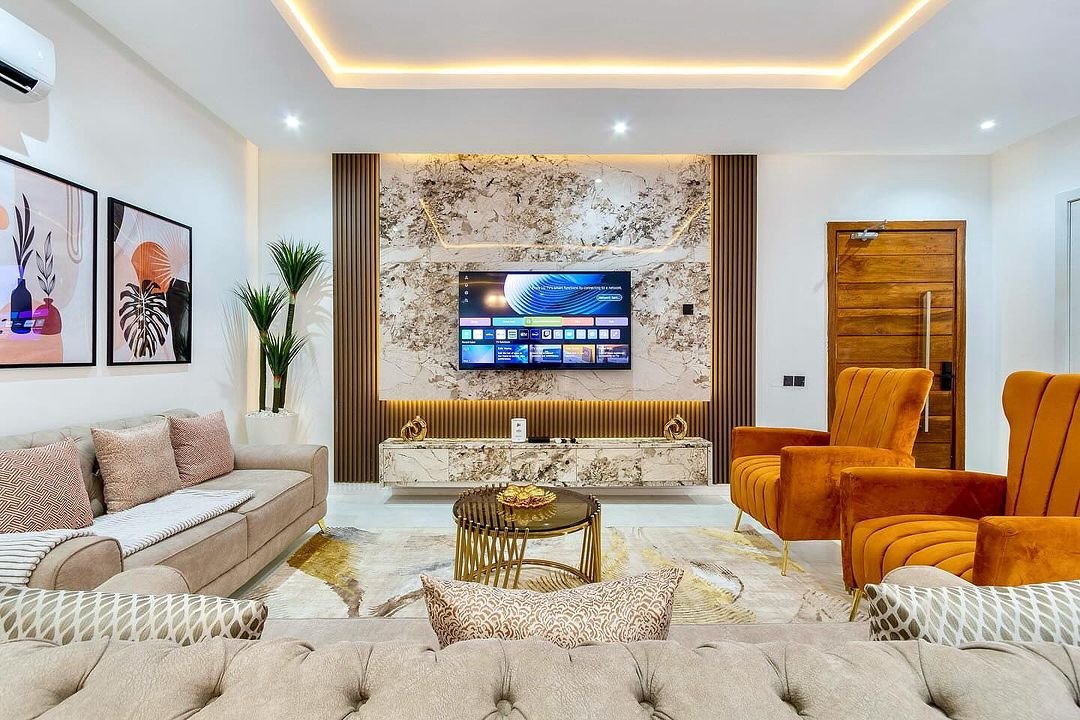
One of the most transformative and cost-effective decisions any Nigerian homeowner can make is committing to a refined colour palette. Deep terracotta, warm beige, dusty sage, and creamy off-whites instantly communicate sophistication. These tones reflect Nigeria’s rich earth and landscape while aligning with global luxury interior trends.
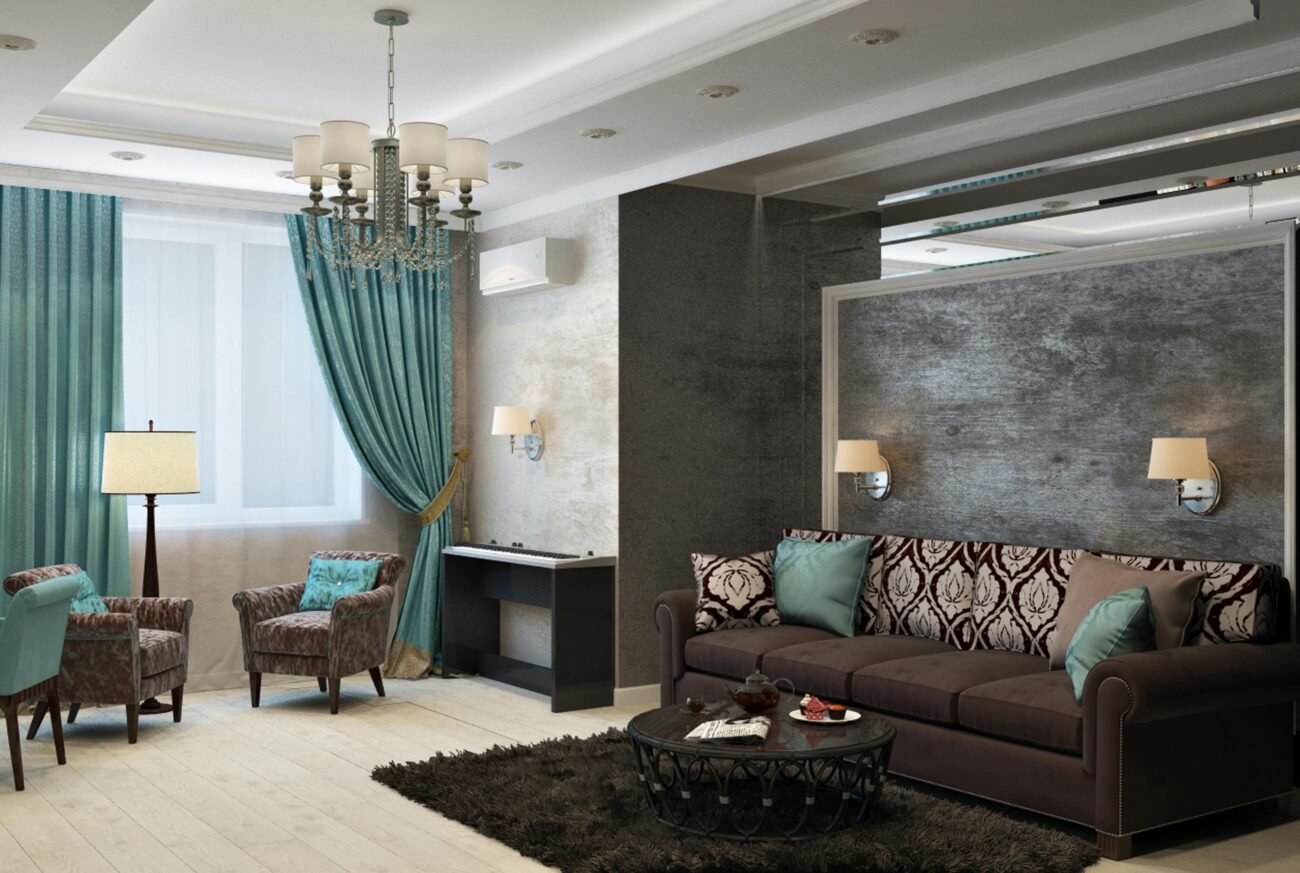
A single feature wall painted in a deep, moody tone — think charcoal, forest green, or burnt sienna — elevates an entire room without the cost of new furniture. Locally available paint brands such as Dulux Nigeria and Berger Paints offer premium-finish options at prices far below imported alternatives. A well-chosen paint job is, without question, the highest return-on-investment upgrade in any Nigerian home.
Statement Lighting: The Secret Weapon of Expensive-Looking Interiors
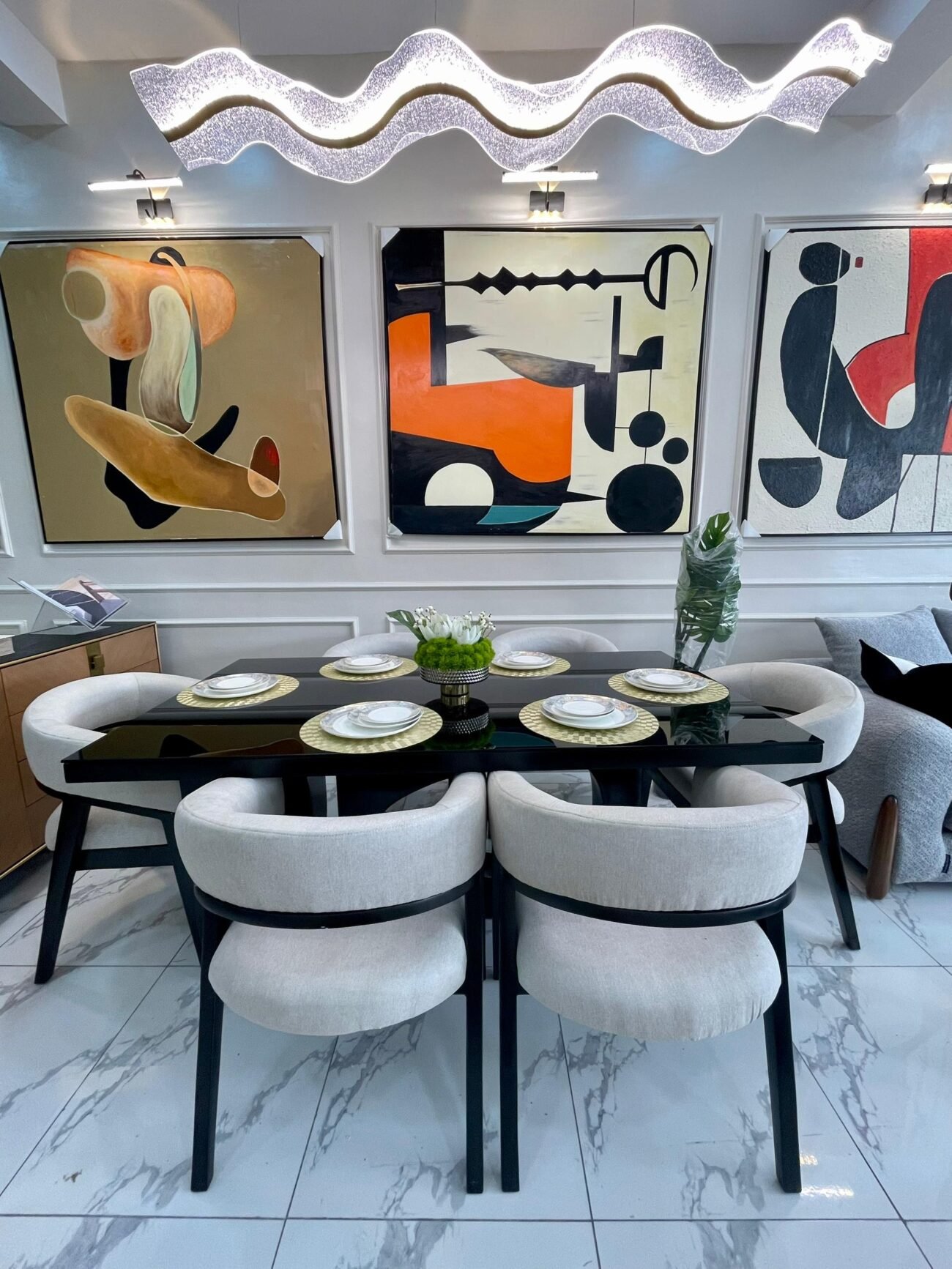
Lighting is what separates a merely decorated room from a truly designed one. We recommend replacing standard overhead fluorescent fittings — which remain common in many Nigerian homes — with warm-toned bulbs (2700K to 3000K) and layered lighting arrangements.
Rattan and wicker pendant lights, widely available in Balogun Market in Lagos and Wuse Market in Abuja, introduce organic texture and architectural interest at a fraction of the cost of imported fixtures. Floor lamps positioned in corners create depth and intimacy. Candles and LED strip lighting beneath shelving or behind television units add drama and dimension that photographs beautifully and impresses guests immediately.
Incorporate Locally Made Furniture With Clean Lines
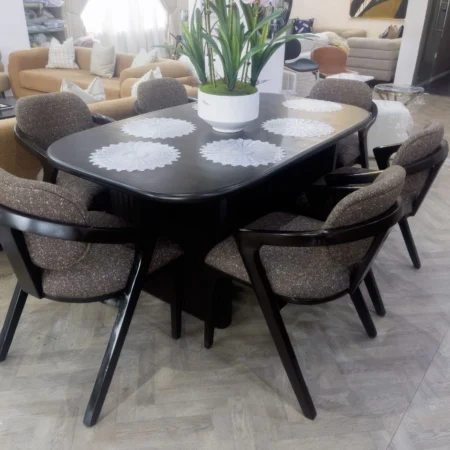
The Nigerian furniture craftsmanship industry is significantly underutilised by homeowners chasing imported pieces. Carpenters across Nnewi, Lagos Island, and Ibadan produce custom furniture — beds, consoles, dining tables, media units — at bespoke quality and local pricing. The key to making custom-built furniture look expensive is insisting on clean, minimal lines and quality finishing.
Opt for furniture with tapered legs, minimalist hardware, and muted upholstery in linen, boucle-inspired fabrics, or velvet. These details signal quality to the eye. Avoiding overly ornate, heavily carved pieces — which dominated Nigerian interiors for decades — is a deliberate stylistic choice that immediately modernises any home.
Textile Layering: Rugs, Cushions, and Throws
No interior design investment delivers more visible luxury per Naira than textiles. A well-placed area rug anchors a sitting room, defines a dining space, or adds warmth to a bedroom — all while making the entire composition feel intentional and complete.
Ankara and Aso-Oke fabrics, when used as cushion covers, table runners, or framed textile art, introduce colour, culture, and personality in a way that no imported product can replicate. This approach is both budget-conscious and distinctly Nigerian, drawing on a design heritage that international interior design publications are increasingly celebrating.
Layering cushions of varying textures — a velvet cushion against a linen one, beside a patterned Ankara piece — creates depth and visual richness that immediately elevates the perception of a space.
Decluttering and Intentional Styling
One of the most underappreciated luxury design principles is restraint. Expensive-looking interiors are never cluttered. We advise homeowners to conduct a thorough edit of their existing possessions before purchasing anything new. Removing excess items — particularly from shelving, countertops, and walls — creates visual breathing room that reads as confident and curated.
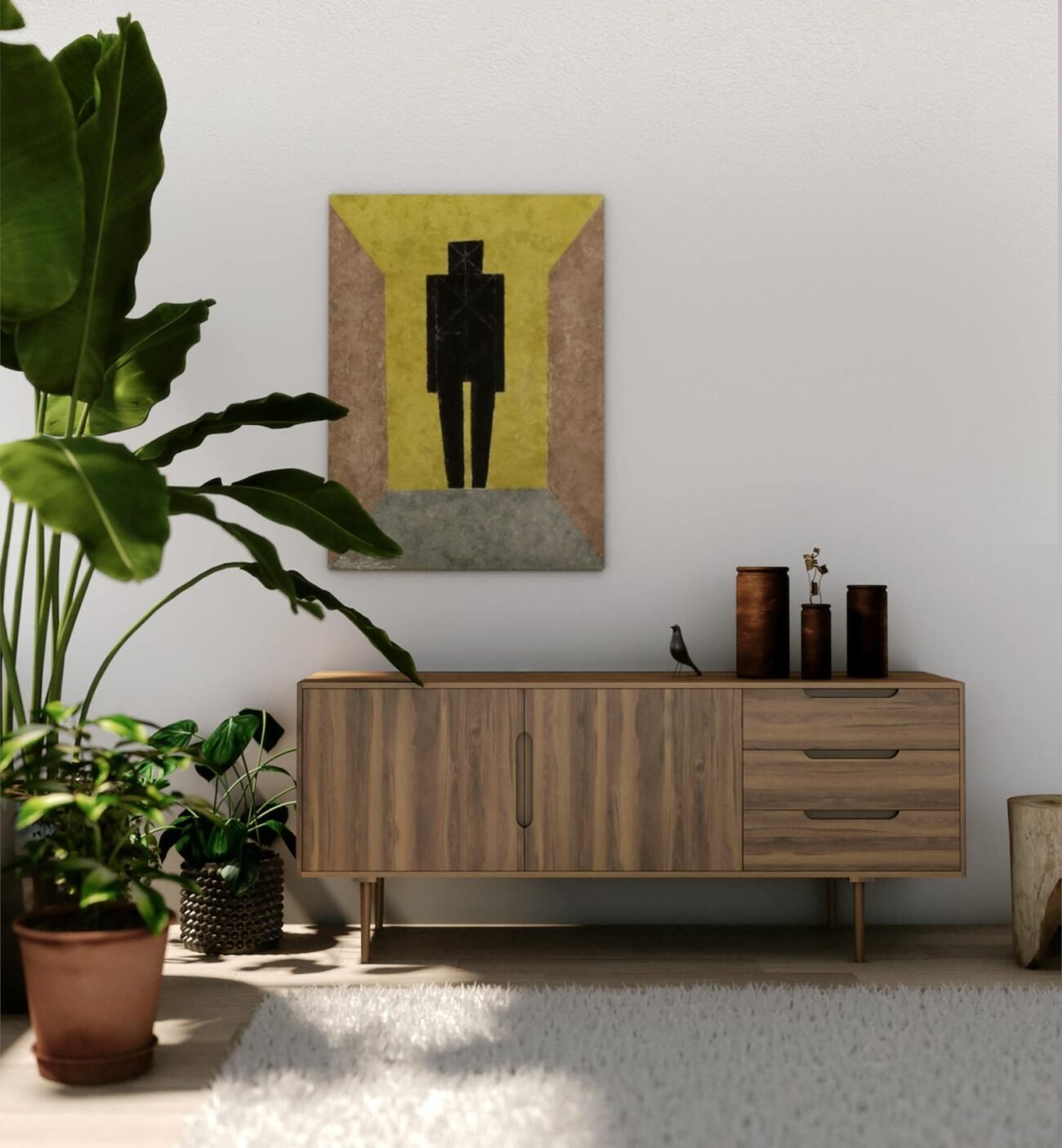
A single large piece of artwork or a tall potted plant creates more impact than ten small decorative objects scattered across a room. This is the gallery-wall principle: fewer pieces, more deliberately chosen, create a more premium impression.
Mirrors and Reflective Surfaces
Strategically placed mirrors are one of the oldest tricks in the interior designer’s toolkit for a reason — they work. A large mirror leaning against a wall or positioned opposite a window doubles the apparent size of a room and amplifies natural light. Arched mirrors, currently a dominant trend in luxury interiors globally, are being reproduced by local craftsmen in Nigeria at highly accessible price points.
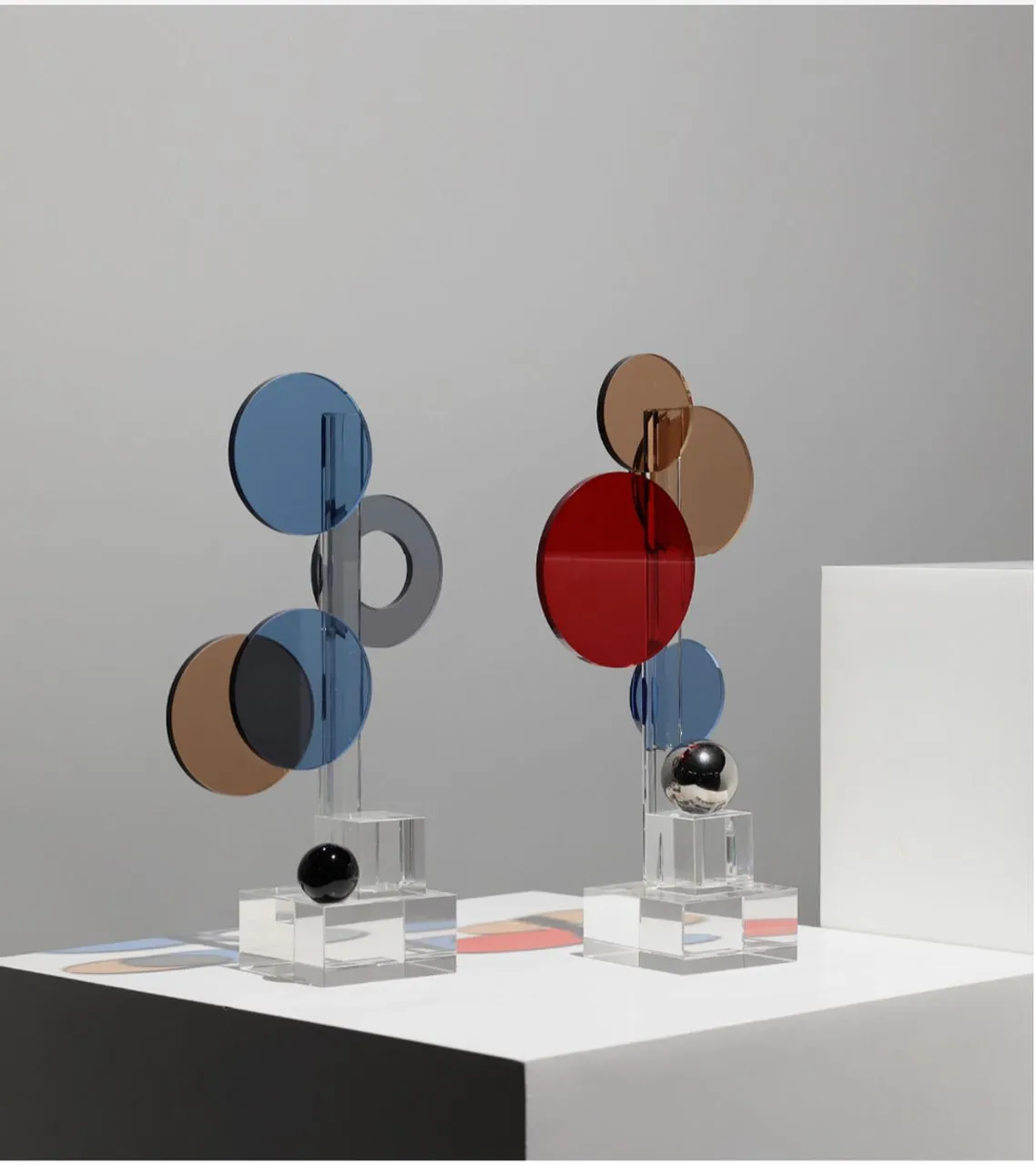
Similarly, incorporating one or two metallic accents — a brass candle holder, a gold-toned picture frame, a chrome lamp base — introduces glamour without the cost of wholesale furniture replacement.
Embrace Indoor Plants as Design Elements
The biophilic design trend — integrating natural elements into interior spaces — is firmly embedded in high-end interior design globally, and it translates beautifully to Nigerian homes. Plants such as the snake plant, monstera, pothos, and peace lily thrive in Nigeria’s climate, require minimal maintenance, and are available at very low cost from roadside plant vendors and markets across major cities.
A tall fiddle-leaf fig in a corner, a trailing pothos on a high shelf, or a cluster of succulents on a windowsill introduces life, colour, and organic beauty that no decorative object can replicate. Pairing plants with simple, matte-finish ceramic or terracotta pots — rather than plastic containers — completes the premium look.
Window Treatments That Signal Quality
Nothing undermines a well-designed room faster than poor window treatments. Short curtains, thin fabrics, and curtain rods mounted too low all diminish the perceived value of a space. We recommend hanging curtains as close to the ceiling as possible and extending the rod well beyond the window frame on both sides — this creates the illusion of height and grandeur.
Floor-length curtains in linen, cotton, or sheer voile fabrics — all readily available in Nigerian markets — immediately communicate luxury when installed correctly. Neutral tones such as white, cream, or warm grey keep the look timeless and versatile.
Conclusion: Luxury Is a Design Mindset, Not a Price Tag
Luxury interior design in Nigerian homes is entirely achievable on a Naira budget. The principles are universal: intentional colour choices, quality lighting, restrained styling, locally sourced materials, and thoughtful textile layering. We believe that Nigerian homeowners possess access to some of the most beautiful natural materials, textiles, and craftsmanship on the continent — the opportunity lies in deploying these resources with design confidence and editorial precision.
A beautiful home is not the product of an unlimited budget. It is the result of educated choices, a clear vision, and an understanding that true luxury is in the details.

Leave a comment