

The Hidden Connection Between Furniture and Mind
Have you ever wondered why you feel instantly relaxed in certain rooms while others make you anxious? The secret lies in something we often overlook – our furniture. The chairs we sit in, the desks we work at, and the beds we sleep on don’t just serve functional purposes. They’re silent architects of our mental state, quietly shaping our mood, productivity, and overall well-being throughout the day.
Think about it: you spend roughly 90% of your life indoors, interacting with furniture in countless ways. Yet most people choose furniture based purely on aesthetics or price, completely ignoring the profound psychological impact these pieces have on their daily lives. This oversight can cost you dearly in terms of mental health, productivity, and life satisfaction.
The emerging field of environmental psychology has revealed fascinating insights about how our physical surroundings directly influence our cognitive function, emotional state, and behavioral patterns. Your furniture isn’t just filling space – it’s actively participating in your mental health journey, either supporting your well-being or undermining it.
Understanding the Psychology of Environmental Comfort
The Science Behind Comfort and Cognitive Function
Environmental psychology research consistently shows that physical comfort directly correlates with mental performance. When your body feels supported and at ease, your brain can allocate more resources to higher-order thinking rather than managing physical discomfort. This phenomenon, known as cognitive load theory, explains why uncomfortable furniture can literally make you less intelligent.
Studies conducted at Cornell University found that people working in comfortable environments showed 25% better cognitive performance compared to those in uncomfortable settings. The researchers discovered that physical discomfort creates what psychologists call “cognitive interference” – your brain constantly processes discomfort signals, leaving fewer resources for creative thinking and problem-solving.
But comfort isn’t just about avoiding pain. True psychological comfort encompasses feelings of security, control, and belonging within your environment. When your furniture supports these feelings, you experience what researchers term “environmental fit” – a state where your surroundings actively enhance rather than hinder your mental processes.
How Physical Spaces Influence Mental States
Your brain is constantly scanning your environment for cues about safety, status, and social connection. Furniture plays a crucial role in this unconscious assessment. A well-designed chair doesn’t just support your spine; it signals to your subconscious that you’re in a safe, controlled environment where you can relax and focus.
This process happens through multiple sensory channels simultaneously. The texture of upholstery affects your tactile comfort, while the visual design influences your emotional response. Even the height of your furniture sends psychological signals – high-backed chairs can make you feel more authoritative and confident, while low, soft seating promotes relaxation and openness.
Neuroscience research using brain imaging technology has shown that comfortable environments activate the parasympathetic nervous system, which governs rest and restoration. This activation leads to improved focus, reduced anxiety, and enhanced creative thinking. Conversely, uncomfortable furniture triggers the sympathetic nervous system, keeping you in a subtle state of stress that impairs cognitive function.
The Mental Health Benefits of Comfortable Furniture
Reducing Stress Through Ergonomic Design
Chronic physical discomfort from poor furniture choices creates a cascade of stress responses in your body. When you’re constantly adjusting your position, dealing with back pain, or struggling with poorly designed surfaces, your cortisol levels remain elevated throughout the day. This chronic stress doesn’t just affect your physical health – it significantly impacts your mental well-being.
Ergonomic furniture serves as a buffer against this stress cycle. When your chair properly supports your spine’s natural curves, when your desk height allows your arms to rest comfortably, and when your feet can touch the floor without strain, your nervous system can shift into a more relaxed state. This isn’t just about preventing injury; it’s about creating the physical foundation for mental wellness.
Research from the Occupational Safety and Health Administration shows that workers with ergonomic furniture report 40% less mental fatigue and 60% fewer stress-related symptoms compared to those with standard furniture. The psychological benefits extend beyond the workplace – proper ergonomic support at home can improve sleep quality, reduce anxiety, and enhance overall life satisfaction.
Creating Safe Spaces for Emotional Well-being
Furniture plays a vital role in creating what psychologists call “restorative environments” – spaces that help you recover from mental fatigue and emotional stress. The key lies in choosing pieces that support your psychological need for comfort, control, and privacy.
Consider how a well-designed reading chair affects your mental state. Beyond physical comfort, it creates a defined personal space where you can retreat, reflect, and recharge. The psychological concept of “territorial behavior” explains why having furniture that feels uniquely yours contributes to emotional stability and self-efficacy.
The Role of Texture and Materials in Comfort
The materials your furniture is made from directly influence your psychological comfort through both conscious and unconscious pathways. Natural materials like wood and leather tend to create feelings of warmth and connection to nature, which research shows can reduce stress and improve mood. These materials also tend to age gracefully, creating a sense of permanence and stability that supports psychological well-being.
Synthetic materials can serve psychological functions too, but their impact varies greatly. Smooth, cool surfaces might promote alertness and focus in work environments, while soft, warm textures support relaxation and emotional comfort in living spaces. The key is matching material choices to the psychological function you want each space to serve.
Color Psychology in Furniture Selection
Colors have profound psychological effects that extend far beyond personal preference. Blue furniture tends to promote calm and focus, making it excellent for work areas. Green creates balance and reduces eye strain, perfect for spaces where you spend long periods. Warm colors like oranges and reds can stimulate energy and creativity but might be overwhelming in large doses.
Neutral colors provide psychological flexibility – they create a calm backdrop that allows you to control the emotional tone of your space through accessories and lighting. This adaptability is crucial for mental health, as it allows your environment to support different emotional needs throughout the day.
Boosting Productivity Through Strategic Furniture Choices
The Connection Between Physical Comfort and Focus
The relationship between physical comfort and mental focus operates through multiple psychological mechanisms. When your body is comfortable, your attention isn’t divided between the task at hand and managing physical discomfort. This undivided attention is crucial for entering what psychologists call “flow states” – periods of optimal performance characterized by deep focus and enhanced creativity.
Research in occupational psychology has identified specific furniture characteristics that promote sustained attention. Chairs with proper lumbar support reduce the micro-movements your body makes to compensate for poor posture, which can be surprisingly distracting to your conscious mind. Desks at the correct height prevent the subtle physical tension that builds up over time and gradually erodes your ability to concentrate.
But comfort alone isn’t enough. The most productivity-enhancing furniture strikes a balance between support and subtle stimulation. A chair that’s too comfortable might promote drowsiness, while one that’s too firm can create tension. The sweet spot is furniture that supports your body while keeping you alert and engaged.
Designing Your Workspace for Maximum Efficiency
Your workspace furniture arrangement sends powerful psychological signals about productivity and professionalism. A well-organized desk communicates competence to both visitors and, more importantly, to yourself. This self-perception effect, documented extensively in social psychology research, can actually enhance your performance and confidence.
The spatial relationship between your furniture pieces also affects your mental state. Having clear sightlines to windows or open spaces can prevent feelings of claustrophobia that impair creative thinking. Positioning your desk to give you a view of the room’s entrance satisfies an unconscious security need, allowing your brain to relax and focus on work rather than monitoring for potential threats.
The Importance of Proper Seating
Your chair is arguably the most psychologically significant piece of furniture in your workspace. It’s your primary interface with your environment for hours each day, and its design profoundly influences your mental state. Research shows that people sitting in high-quality, supportive chairs demonstrate increased confidence in their decisions and greater persistence when facing challenges.
The psychological benefits of good seating extend beyond comfort. A chair that positions you at the correct height relative to your desk and computer screen prevents the subtle dominance and submission cues that can affect your self-perception and motivation. When you’re not looking up at your screen or slouching down to reach your keyboard, you maintain a more confident, alert posture that supports peak mental performance.
Lighting and Furniture Placement
The interaction between your furniture and lighting creates complex psychological effects that most people never consider. The direction and quality of light hitting your workspace can either enhance or undermine the psychological benefits of well-chosen furniture. Natural light from the side rather than behind your computer screen reduces eye strain and supports your circadian rhythms, which are crucial for maintaining consistent energy and mood throughout the day.
Furniture placement that allows you to control your lighting environment gives you a sense of agency that psychologists link to improved motivation and job satisfaction. Being able to adjust your position relative to light sources throughout the day helps you maintain optimal alertness and prevents the mental fatigue that comes from fighting against poor environmental conditions.
Different Furniture Types and Their Psychological Impact
Seating Solutions for Mental Clarity
Different types of seating create distinct psychological environments that can either support or hinder your mental clarity. Traditional office chairs promote an alert, professional mindset but might feel restrictive during creative work. Ergonomic stools engage your core muscles and promote subtle movement, which research shows can enhance cognitive flexibility and creative thinking.
Lounge chairs serve a different psychological function entirely. They signal to your brain that it’s time to relax and reflect, which is crucial for processing information and generating insights. The key is having access to different seating options for different mental tasks rather than trying to find one chair that serves all purposes.
Alternative seating options like standing desks or balance balls can provide psychological benefits through their novelty and the mild physical engagement they require. However, research suggests these work best as temporary solutions rather than permanent replacements for well-designed traditional seating. The variety itself – having options – contributes to feelings of control and customization that support mental well-being.
Tables and Desks: Creating Productive Environments
Your desk or table serves as more than a work surface; it’s a psychological boundary that defines your productive space. The size, height, and organization of your desk surface directly influence your mental approach to work. A cluttered desk can create feelings of overwhelm and reduce your ability to focus, while an overly sparse desk might feel sterile and uninspiring.
Research in environmental psychology shows that desk size affects task persistence and creativity. Larger surfaces promote expansive thinking and long-term project focus, while smaller surfaces encourage concentration on immediate tasks. The material and finish of your desk also matter – natural wood surfaces tend to reduce stress, while glossy surfaces can increase alertness but might also create glare and visual fatigue.
Storage Solutions and Mental Organization
The psychological principle “external order supports internal order” explains why well-designed storage furniture is crucial for mental health. When your belongings have designated places and your environment feels organized, your mind is free to focus on more important matters rather than the low-level stress of managing clutter.
Different storage solutions create different psychological effects. Open shelving can make spaces feel larger and more dynamic but requires consistent organization to avoid visual chaos. Closed storage provides mental calm by hiding visual complexity but can lead to “out of sight, out of mind” problems if not well-organized internally.
The key is matching your storage solutions to your psychological needs and organizational style. Some people thrive with everything visible and accessible, while others need the mental peace that comes from clean, uncluttered surfaces. Understanding your own psychological responses to different organizational systems is crucial for choosing furniture that supports rather than stresses your mental processes.
Creating Zones of Comfort in Your Living Space
The Bedroom as a Sanctuary
Your bedroom furniture plays a crucial role in sleep quality, which directly impacts every aspect of your mental health. The bed itself is obviously important, but the entire furniture arrangement contributes to creating a psychologically restful environment. Bedside tables at the correct height eliminate the stress of reaching for essentials, while adequate storage prevents the anxiety that comes from visual clutter in your most private space.
The psychological concept of “bedroom as sanctuary” requires furniture that supports both physical rest and mental decompression. This means choosing pieces that feel substantial and secure rather than flimsy or temporary. Your bedroom furniture should communicate permanence and safety to your subconscious, supporting the deep relaxation necessary for restorative sleep.
Furniture arrangement in bedrooms also affects relationship dynamics for couples. Having equal access to storage, lighting controls, and personal space through thoughtful furniture placement reduces potential sources of minor daily stress that can accumulate into larger relationship tensions.

Eminent sofa set

Wura 4,3,1,1 sofa set

Joke 3,3,1,1 Sofa Set

Talia sofa 3,3,1,1 set (Without Pillows)
Living Room Dynamics and Social Well-being
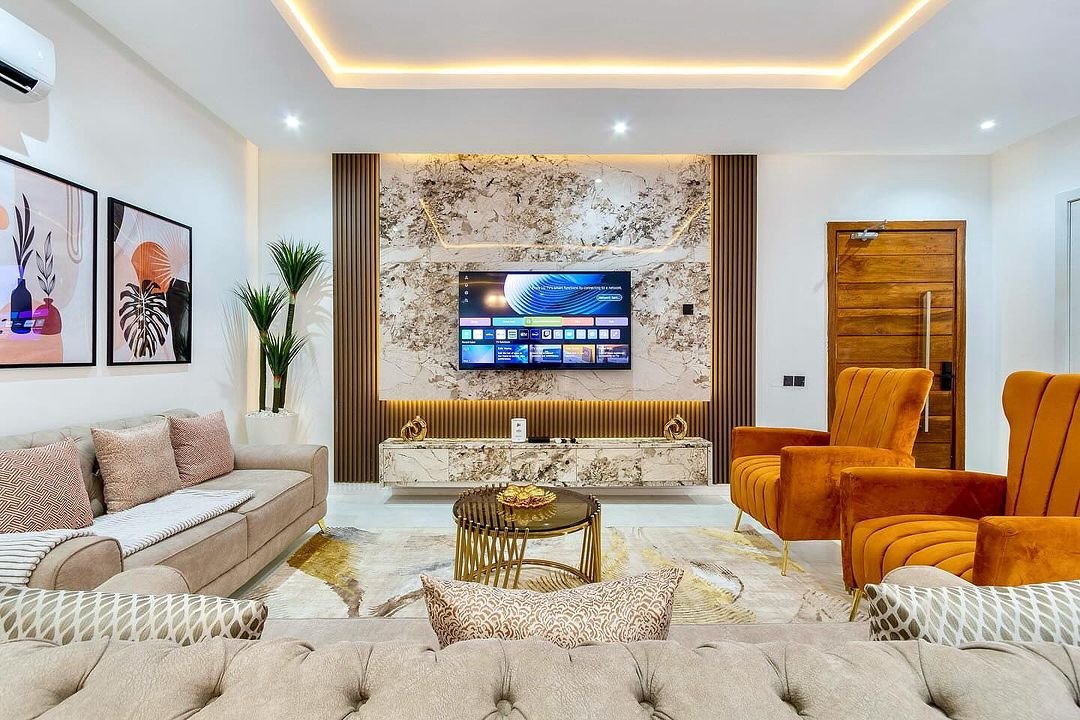
Your living room furniture arrangement has profound effects on social interaction patterns and family dynamics. The way you position sofas, chairs, and tables either encourages or discourages conversation, affects power dynamics among family members, and influences how welcome guests feel in your space.
Research in environmental psychology shows that circular or semi-circular furniture arrangements promote equality and open communication, while linear arrangements can create subtle hierarchies. The distance between seating pieces affects intimacy levels – too close can feel invasive, while too far apart prevents meaningful connection.
The Psychology of Gathering Spaces
Creating effective gathering spaces requires understanding how furniture affects group psychology. Large sectional sofas can promote family bonding but might overwhelm smaller spaces and create feelings of confinement. Multiple smaller seating pieces offer flexibility but require careful arrangement to maintain conversational flow.
The height and comfort level of your seating also affects social dynamics. When everyone sits at the same height in equally comfortable seats, conversations tend to be more egalitarian and relaxed. Mixed seating heights or comfort levels can create subtle power imbalances that affect group interactions.
Coffee tables and side tables play supporting roles in social psychology by providing surfaces for drinks, books, and personal items. Their presence reduces the low-level stress of having nowhere to place things, allowing people to relax more fully into social interactions.
Common Furniture Mistakes That Harm Mental Health
Overcrowding and Claustrophobia
One of the most common furniture mistakes is cramming too many pieces into a space, creating a psychologically oppressive environment. Overcrowded rooms trigger stress responses because they limit your ability to move freely and can make you feel trapped. This effect is particularly pronounced in smaller spaces, where every furniture choice needs careful consideration.
The psychological concept of “personal space” extends to your relationship with furniture. When pieces are too close together or too large for their space, they can create feelings of claustrophobia even in people who don’t typically struggle with spatial anxiety. This stress is often subliminal – you might feel generally anxious or uncomfortable without realizing that furniture arrangement is the cause.
Overcrowding also affects cognitive function by creating visual complexity that your brain must constantly process. This “cognitive noise” reduces your mental resources for other tasks and can contribute to decision fatigue and mental exhaustion.
Poor Ergonomics and Physical Discomfort
Furniture that doesn’t fit your body properly creates cascading psychological effects that extend far beyond physical discomfort. Chronic pain or tension from poor ergonomics can lead to increased irritability, reduced patience, and decreased motivation. These effects compound over time, potentially contributing to anxiety and depression.
The psychological impact of poor ergonomics is often underestimated because the effects develop gradually. You might not realize that your afternoon energy crashes are related to morning back pain from a poorly designed chair, or that your difficulty concentrating stems from the subtle tension created by a too-high desk.
Poor ergonomics also affects your self-perception and confidence. When you’re constantly shifting positions, rubbing sore spots, or struggling with physical discomfort, you’re less likely to feel composed and professional. This can impact everything from work performance to social interactions.
Practical Tips for Choosing Mental Health-Friendly Furniture
Budget-Conscious Comfort Solutions
Creating a psychologically supportive environment doesn’t require expensive furniture, but it does require strategic thinking. Focus your budget on the pieces you interact with most frequently – your desk chair, bed, and primary seating areas. These high-impact pieces deserve the best you can afford because their psychological benefits compound over time.
For other pieces, look for furniture that serves multiple psychological functions. A storage ottoman provides seating, storage, and visual weight to anchor a seating area. A dining table that can serve as a work surface doubles your investment in productive spaces. The key is thinking about psychological function, not just physical function, when making choices.
Consider the long-term psychological costs of cheap furniture that needs frequent replacement. The stress of dealing with wobbly chairs, surfaces that damage easily, or storage that doesn’t function properly can outweigh any initial savings. Sometimes spending more upfront reduces long-term psychological costs.
Sustainable Choices for Long-term Well-being
Sustainable furniture choices often provide superior psychological benefits because they’re built to last and made from natural materials that create positive emotional responses. The knowledge that your furniture choices align with your values can also contribute to psychological well-being through what researchers call “value-behavior consistency.”
Natural materials age gracefully, which means your furniture can develop character over time rather than simply deteriorating. This aging process can create positive emotional attachments that contribute to feelings of home and belonging. Synthetic materials, while sometimes more practical, rarely develop this type of psychological resonance.
Consider the psychological impact of knowing your furniture’s story. Handcrafted pieces, vintage finds with history, or furniture made by local artisans can create emotional connections that mass-produced pieces rarely match. These connections contribute to what psychologists term “material attachment” – positive emotional relationships with objects that support overall well-being.
Conclusion
The psychology of comfort reveals that furniture is far more than functional objects filling our spaces – they’re active participants in our mental health journey. Every chair you sit in, desk you work at, and bed you sleep in either supports or undermines your psychological well-being. The research is clear: thoughtfully chosen furniture can reduce stress, boost productivity, and enhance your overall quality of life.
Understanding these psychological principles empowers you to make furniture choices that serve your mental health as well as your practical needs. Whether you’re dealing with a tight budget or unlimited resources, the key is recognizing that your furniture investment is really an investment in your daily mental state and long-term well-being.
The next time you’re choosing furniture, ask yourself not just “Do I like how this looks?” or “Will this fit in my space?” but also “How will this make me feel every day?” Your mental health deserves furniture that supports, nurtures, and enhances your psychological well-being. After all, you’re not just furnishing rooms – you’re creating the physical foundation for your mental life.

Leave a comment