

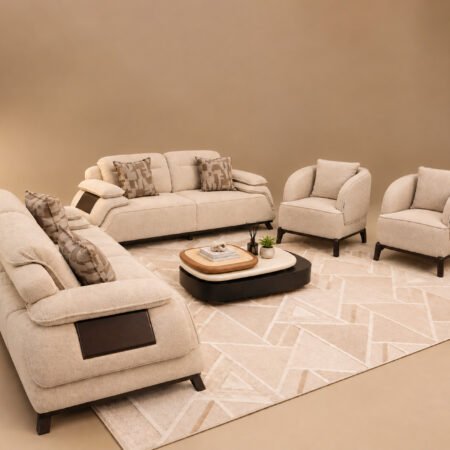
Obagua sofa set
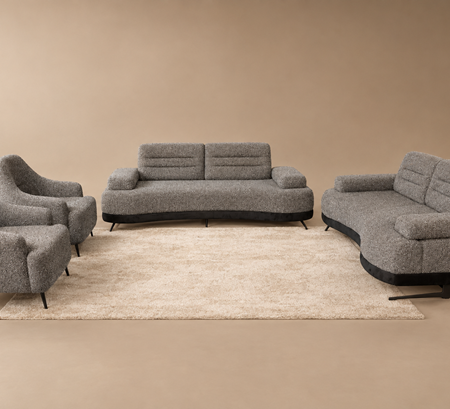
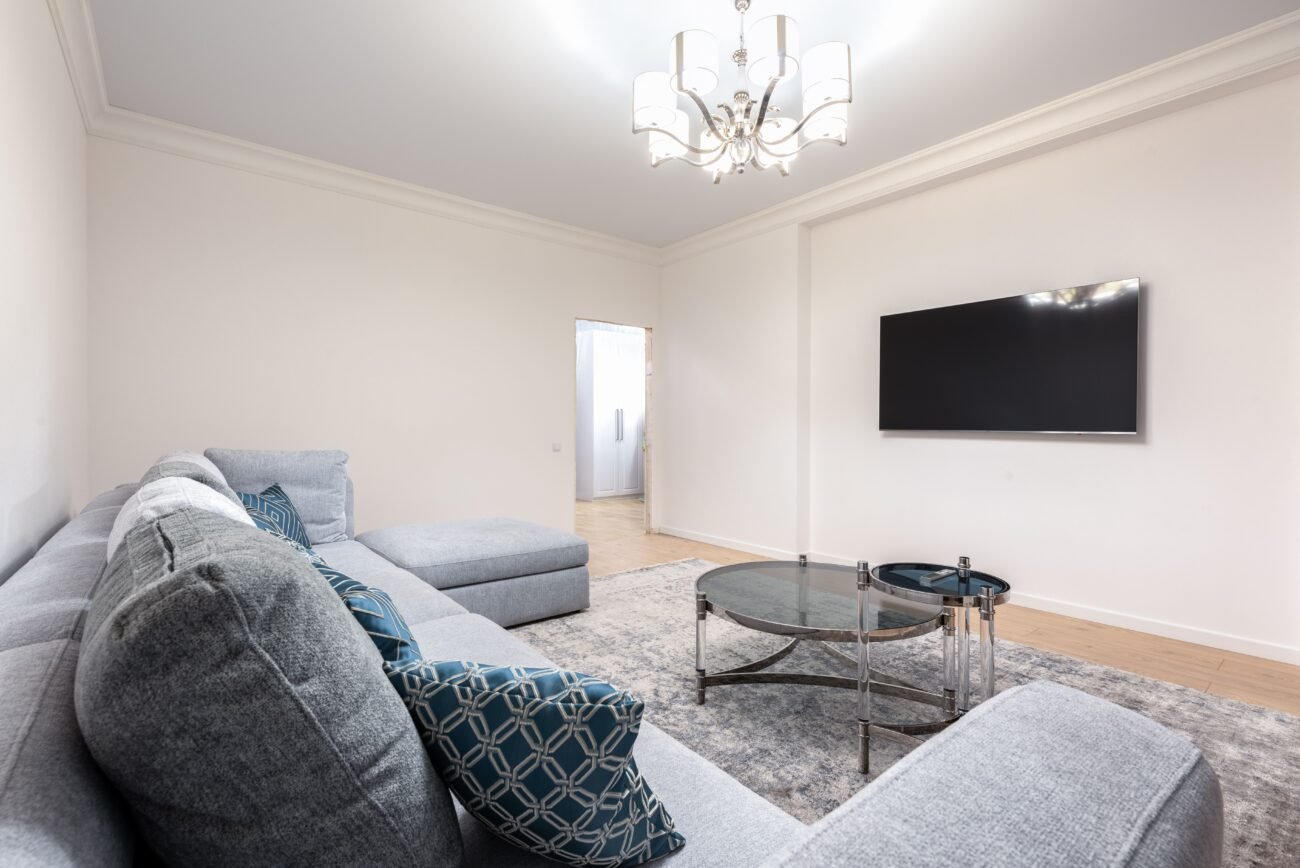
Wura 3,2,1,1 sofa set
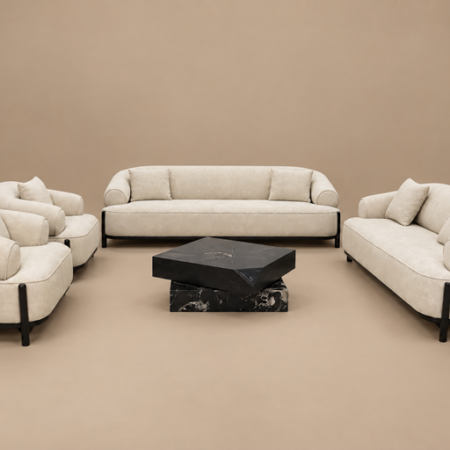
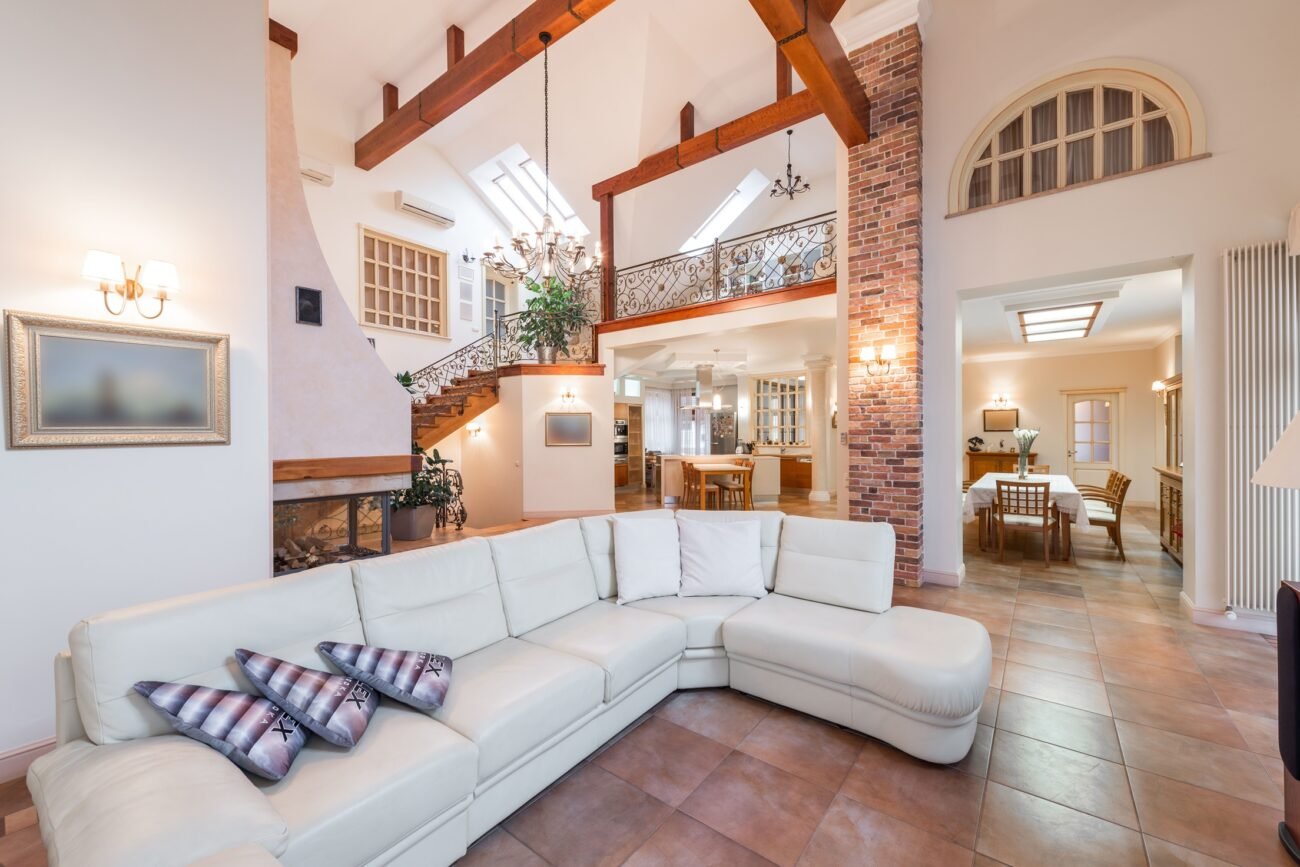
Oyinkan sofa set 3,2,1,1
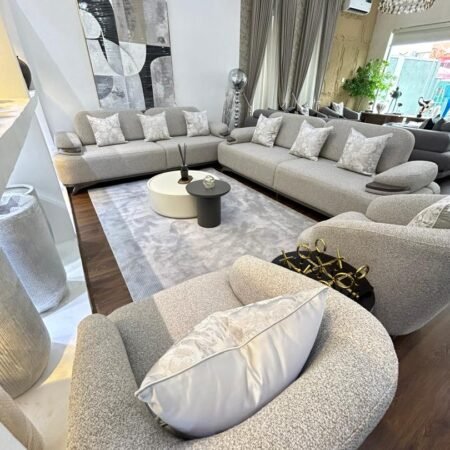
Orbit Sofa Set with Pillows
The Allure of Budget-Friendly Furniture
We’ve all been there. You’re furnishing your first apartment, moving into a new place, or simply need to replace that worn-out couch. You walk into a discount furniture store or scroll through budget-friendly online retailers, and suddenly everything seems possible. A complete living room set for under $1,000? A dining table for $200? It feels like a steal.
But here’s the uncomfortable truth: that “steal” might actually be stealing from your future self. While cheap furniture seems like a smart financial decision in the moment, it often leads to a cycle of replacement, frustration, and hidden costs that add up to thousands over time. Let’s pull back the curtain on why spending more upfront can actually save you money in the long run.
Understanding the True Cost of Cheap Furniture
Initial Savings vs. Long-Term Expenses
When you’re staring at price tags, the difference between a $300 sofa and a $1,500 sofa seems obvious. You’re saving $1,200 right now, and that feels good. Your bank account certainly appreciates it. But what if I told you that $300 sofa will likely need replacement in two to three years, while the $1,500 version could last fifteen years or more?
The math suddenly doesn’t look so straightforward, does it? Over a fifteen-year period, you might purchase five or six cheap sofas, spending $1,500 to $1,800 total, plus the time, effort, and hassle of shopping and disposing of old furniture repeatedly. Meanwhile, the person who bought quality is still comfortably sitting on their original investment.
The Quality Trap: What You’re Really Paying For
Cheap furniture isn’t just less expensive—it’s fundamentally different in construction, materials, and design. Manufacturers cutting costs don’t just trim profit margins; they compromise on every aspect of production. You’re getting engineered wood instead of solid hardwood, staples instead of proper joinery, foam that compresses within months instead of resilient cushioning, and fabrics that pill and tear with normal use.
Think of it like comparing a paper plate to fine china. Both hold food, but only one is designed for repeated, long-term use. The paper plate serves its purpose once, maybe twice if you’re careful. Quality furniture is the china of your home—built to serve you for years, not seasons.
Material Matters: Why Construction Quality Determines Longevity
Particleboard vs. Solid Wood
Walk into most budget furniture stores, and you’ll find pieces made primarily from particleboard or medium-density fiberboard (MDF). These engineered materials are essentially compressed wood chips and sawdust held together with adhesives. They’re cheap to produce, lightweight for shipping, and can be made to look decent with a veneer finish.
The problem? They’re also incredibly vulnerable to moisture, prone to swelling and crumbling, and have limited structural integrity. Drop a particleboard bookshelf, and you might find the corners literally crumbling. Try to move a particleboard dresser multiple times, and the screw holes will strip out, leaving you with wobbly drawers that barely function.
Solid wood furniture, conversely, is built from actual timber. It’s heavier, more expensive, and infinitely more durable. It can withstand bumps, moves, humidity changes, and decades of use. When properly cared for, it can even appreciate in value and become a family heirloom rather than landfill fodder.
Hardware and Fasteners: The Unsung Heroes
Why Cheap Hardware Fails First
Ever had a drawer handle fall off within months? Or dealt with cabinet doors that won’t stay closed? The culprit is usually cheap hardware. Budget furniture uses the thinnest possible screws, the lightest hinges, and plastic components where metal should be used.
Quality furniture invests in proper metal hardware—dovetail joints instead of staples, ball-bearing drawer slides instead of plastic tracks, and solid metal handles secured with proper bolts. These details might seem minor when you’re shopping, but they’re the difference between furniture that functions smoothly for years versus pieces that frustrate you daily.
The Replacement Cycle: How Often Will You Buy Again?
Average Lifespan Comparisons
Let’s talk numbers. Industry data suggests budget furniture typically lasts two to five years with regular use. Mid-range furniture might give you seven to ten years. Quality, well-constructed pieces? Twenty years or more isn’t unusual, and some can last generations.
Consider a bedroom dresser. A cheap version at $300 might last three years before drawers start falling apart. Replace it four times over twelve years, and you’ve spent $1,200. A quality dresser at $900 lasts twenty years and is still going strong when you’ve saved $300 overall—plus avoided three stressful shopping trips and disposal hassles.
The Environmental Impact of Disposable Furniture
Beyond your wallet, there’s an environmental cost we can’t ignore. Cheap furniture has created a throwaway culture where Americans dispose of over 12 million tons of furniture annually. Most of it ends up in landfills because particleboard and low-quality materials can’t be easily recycled or refurbished.
Quality furniture, built to last, drastically reduces this waste stream. When you buy something designed for decades of use, you’re not just saving money—you’re making an environmentally responsible choice. And if that furniture is eventually discarded, solid wood and quality materials are far more likely to be reclaimed, recycled, or repurposed.
Hidden Health Costs of Low-Quality Furniture
Chemical Off-Gassing and VOCs
Here’s something furniture salespeople rarely mention: cheap furniture can literally make you sick. Particleboard, adhesives, foam cushions, and synthetic fabrics used in budget furniture often contain volatile organic compounds (VOCs) and formaldehyde-based resins that off-gas into your home environment.
These chemicals have been linked to respiratory issues, headaches, eye irritation, and long-term health concerns. That “new furniture smell” you notice when unboxing cheap pieces? It’s not the scent of new beginnings—it’s chemical off-gassing. Quality furniture manufacturers increasingly use low-VOC materials, formaldehyde-free adhesives, and natural materials that don’t poison your indoor air.
Ergonomic Failures and Physical Strain
Ever spent an evening on a cheap couch and woken up with back pain? Poor furniture design doesn’t just feel uncomfortable—it can contribute to chronic pain, poor posture, and long-term musculoskeletal problems. Budget manufacturers cut corners on ergonomic research and proper support structures.
Quality furniture is designed with human bodies in mind. Proper lumbar support, appropriate seat depth, cushion firmness that maintains shape—these aren’t luxury features, they’re health necessities. Over years of use, the difference between ergonomic furniture and cheap alternatives can translate to real health costs, from chiropractor visits to reduced productivity due to chronic discomfort.
Aesthetic Degradation: When Your Home Looks Tired Too Soon
Fading, Peeling, and Structural Sagging
We furnish our homes to create spaces we love, places that reflect our personality and provide comfort. Cheap furniture undermines this goal by degrading rapidly. Veneer finishes peel, revealing particle board beneath. Fabrics fade and pill after a few cleanings. Cushions compress into shapeless lumps. Joints loosen, causing wobbles and squeaks.
Within a year or two, that fresh-looking room you carefully assembled starts looking shabby and neglected, even if you’ve taken good care of everything. You haven’t changed, but your furniture has aged in dog years. This aesthetic degradation affects how you feel in your space and how visitors perceive your home.
The Cost of Constant Redecoration
This aesthetic decline creates a secondary cost: the perpetual need to refresh and redecorate. When your sofa looks worn after eighteen months, you’re tempted to buy throw covers. When your coffee table’s veneer peels, you’re considering refinishing attempts or replacement. These band-aid solutions add up, both financially and in terms of the mental energy spent managing declining furniture.
Quality furniture maintains its appearance for years, requiring only basic maintenance. That beautiful aesthetic you created remains beautiful, allowing you to invest in meaningful improvements rather than emergency replacements.
Repair vs. Replace: Why Cheap Furniture Can’t Be Fixed
The Economics of Repairability
Here’s a frustrating reality: when cheap furniture breaks, it’s often impossible or uneconomical to repair. Stripped particleboard screw holes can’t be fixed. Broken plastic components rarely have replacement parts available. Even if a repair is technically possible, the labor cost often exceeds the furniture’s value.
Quality furniture, conversely, is built to be repaired. Solid wood can be refinished, sanded, and restored. Metal hardware can be replaced. Cushions can be reupholstered. These repair options mean your initial investment can be extended almost indefinitely with occasional maintenance that costs a fraction of replacement.
When Quality Furniture Becomes an Investment
This repairability transforms quality furniture from a purchase into an investment. A well-made dining table that needs refinishing after fifteen years might cost $300 to restore—but you’ve essentially created a “new” table at a fraction of replacement cost. Some people even make money by purchasing quality vintage furniture, restoring it, and reselling at a profit—something utterly impossible with particleboard pieces.
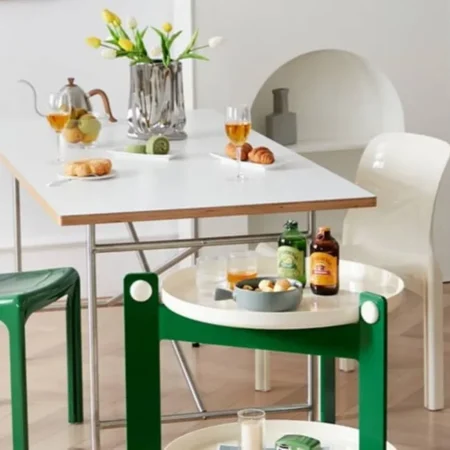
Green Nordic Creative Movable Medieval Small Tea Side Table

Luxury Black & Gold Arc Table Decor

Natural Wooden Coffee Table

Gold Tic Tac Toe Game Board Decor
The Moving and Storage Nightmare
Fragility During Relocation
If you’ve ever moved cheap furniture, you know the stress. Will the dresser survive being carried down stairs? Will the bed frame hold together when disassembled and reassembled? More often than not, cheap furniture doesn’t survive moves intact. Corners chip, joints separate, and pieces arrive at the new location damaged or destroyed.
This fragility essentially chains you to your furniture. Moving becomes more expensive when you’re constantly replacing broken pieces, or you face the difficult decision of discarding furniture that still technically works but won’t survive relocation. Quality furniture moves as many times as you do, making life transitions smoother and less costly.
Storage Deterioration
Need to store furniture temporarily? Cheap pieces fare terribly in storage units. Humidity causes particleboard to swell and warp. Temperature fluctuations crack finishes and weaken joints. After a few months in storage, budget furniture often emerges unusable. Quality pieces with solid construction and proper finishes handle storage conditions far better, protecting your investment during life transitions.
Resale Value: The Investment Perspective
Quality Furniture as an Asset
Here’s something that shifts the entire financial equation: quality furniture retains value. Browse any vintage or consignment furniture store, and you’ll find mid-century pieces, solid wood antiques, and designer furniture selling for substantial prices. Some quality furniture actually appreciates in value, particularly from recognized manufacturers or iconic designs.
Your $300 particleboard bookshelf has zero resale value the moment you assemble it. Your $1,200 solid walnut bookshelf from a quality manufacturer? You might sell it years later for $600 to $800, effectively reducing your net cost to $400 to $600—suddenly competitive with that cheap option that went to the landfill.
Depreciation Rates Compared
Think of furniture like vehicles. A cheap car loses most of its value immediately and becomes worthless quickly. A quality car depreciates more slowly and retains residual value longer. Furniture works the same way. Budget pieces depreciate to zero almost instantly. Quality pieces depreciate slowly and often stabilize at a respectable percentage of original value.
This resale factor changes the cost calculation dramatically. If you’re financially savvy, you might buy quality furniture knowing you can recoup 40-60% of your investment when you eventually upgrade or downsize. That’s impossible with cheap furniture, where your entire purchase price is a sunk cost.
Real-World Cost Comparison: A 10-Year Analysis
Budget Furniture Scenario
Let’s run an actual comparison for a typical living room: sofa, coffee table, two end tables, and a TV stand.
Budget Option:
- Sofa: $400 (replaced every 3 years = 3 purchases = $1,200)
- Coffee table: $100 (replaced every 4 years = 2 purchases = $200)
- Two end tables: $120 total (replaced every 4 years = 2 purchases = $240)
- TV stand: $150 (replaced every 5 years = 2 purchases = $300)
10-Year Total: $1,940
Add disposal costs ($50 per major piece), transportation for multiple shopping trips, and the time investment, and you’re easily over $2,200.
Quality Furniture Scenario
Quality Option:
- Sofa: $1,500 (lasts 15+ years = 1 purchase = $1,500)
- Coffee table: $400 (lasts 20+ years = 1 purchase = $400)
- Two end tables: $500 total (last 20+ years = 1 purchase = $500)
- TV stand: $600 (lasts 15+ years = 1 purchase = $600)
10-Year Total: $3,000
The Thousand-Dollar Difference
At first glance, quality furniture costs $800 more over ten years. But factor in that you still own all these pieces in excellent condition (potential resale value of $1,200-$1,500), while the budget scenario left you with nothing, and suddenly quality furniture has actually saved you $400-$700.
Extend this to twenty years, and the budget scenario requires another full replacement cycle ($1,940 more), bringing total costs to over $4,100, while quality furniture continues serving you with perhaps just reupholstering the sofa ($500), for a total of $3,500. The savings multiply over time.
Smart Shopping: How to Identify Quality Without Overpaying
Red Flags in Cheap Furniture
Want to avoid the cheap furniture trap? Watch for these warning signs:
- Weight: If it feels surprisingly light, it’s probably particleboard
- Drawers: Do they slide smoothly on metal tracks, or wobble on plastic?
- Joints: Look for dovetail or mortise-and-tenon joints, not staples or cam locks
- Finish: Does the wood grain look printed on, or is it actual wood?
- Price: If it seems too good to be true, it usually is
- Assembly: Requiring extensive assembly usually indicates lower quality
- Smell: Strong chemical odors suggest high VOC content
What to Look For in Quality Pieces
Shopping for quality doesn’t mean buying the most expensive option. Look for:
- Solid wood frames: At least for structural elements
- Proper joinery: Dovetails, mortise-and-tenon, or corner blocks
- Quality hardware: Metal slides, substantial hinges, solid handles
- Weight: Quality furniture is noticeably heavier
- Warranty: Manufacturers confident in quality offer substantial warranties
- Reputation: Research brands known for durability
- Natural materials: Real wood, cotton, linen, wool, leather
You can also find quality on the secondary market—estate sales, vintage stores, and consignment shops offer solid older furniture at competitive prices.
When Cheap Furniture Makes Sense (And When It Doesn’t)
Temporary Living Situations
Let’s be fair: cheap furniture has its place. If you’re furnishing a college dorm room for two years, staging a home for sale, or setting up a temporary corporate apartment, budget options make sense. You’re not seeking decade-long durability, just functional furniture for a defined period.
Similarly, trendy accent pieces you’ll tire of quickly don’t need heirloom quality. That bold geometric side table you love today might not suit your taste in five years, so investing heavily doesn’t make sense.
Pieces Worth Investing In
However, certain furniture categories always deserve quality investment:
- Beds and mattresses: You spend a third of your life here; health matters
- Sofas and seating: High-use items that define your living space
- Dining tables: Central gathering spots that endure heavy use
- Office chairs and desks: Your earning capability depends on ergonomic support
- Dressers and wardrobes: Daily-use storage that should last decades
These core pieces form the foundation of your home. Splurge here, and save on accessories and decor items you’ll change more frequently.
Conclusion: Rethinking Furniture as an Investment
The hidden costs of cheap furniture extend far beyond the initial price tag. From endless replacement cycles and disposal hassles to health impacts and aesthetic decline, budget furniture extracts payment in dozens of ways over time. When you factor in longevity, resale value, repairability, and quality of life improvements, quality furniture isn’t just competitive—it’s often substantially cheaper in the long run.
This doesn’t mean you should empty your savings account at a luxury furniture store tomorrow. It means approaching furniture purchases strategically, prioritizing quality for high-use, long-term pieces, and understanding that paying more upfront often means paying less overall.
Your furniture is more than stuff that fills rooms. It’s the physical infrastructure of your daily life, affecting your comfort, health, productivity, and happiness. Investing wisely in this infrastructure pays dividends for years—not just financially, but in the quality of life you experience every single day.
So next time you’re tempted by that incredibly cheap sofa or dining set, pause and do the math. Calculate the true cost over ten, fifteen, or twenty years. Consider the hidden factors we’ve explored. You might find that spending more today is the smartest financial decision you can make.
Leave a comment