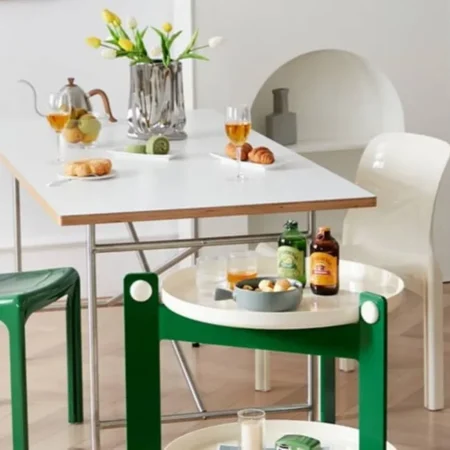
Small Space, Big Impact: Choosing the Perfect Sofa for Compact Homes and Apartments
Finding that perfect sofa for a small space can feel like searching for a needle in a haystack.

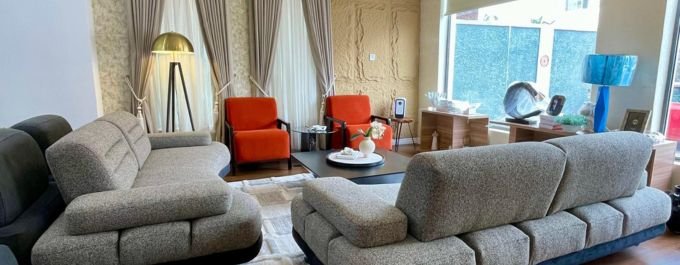
Finding that perfect sofa for a small space can feel like searching for a needle in a haystack.
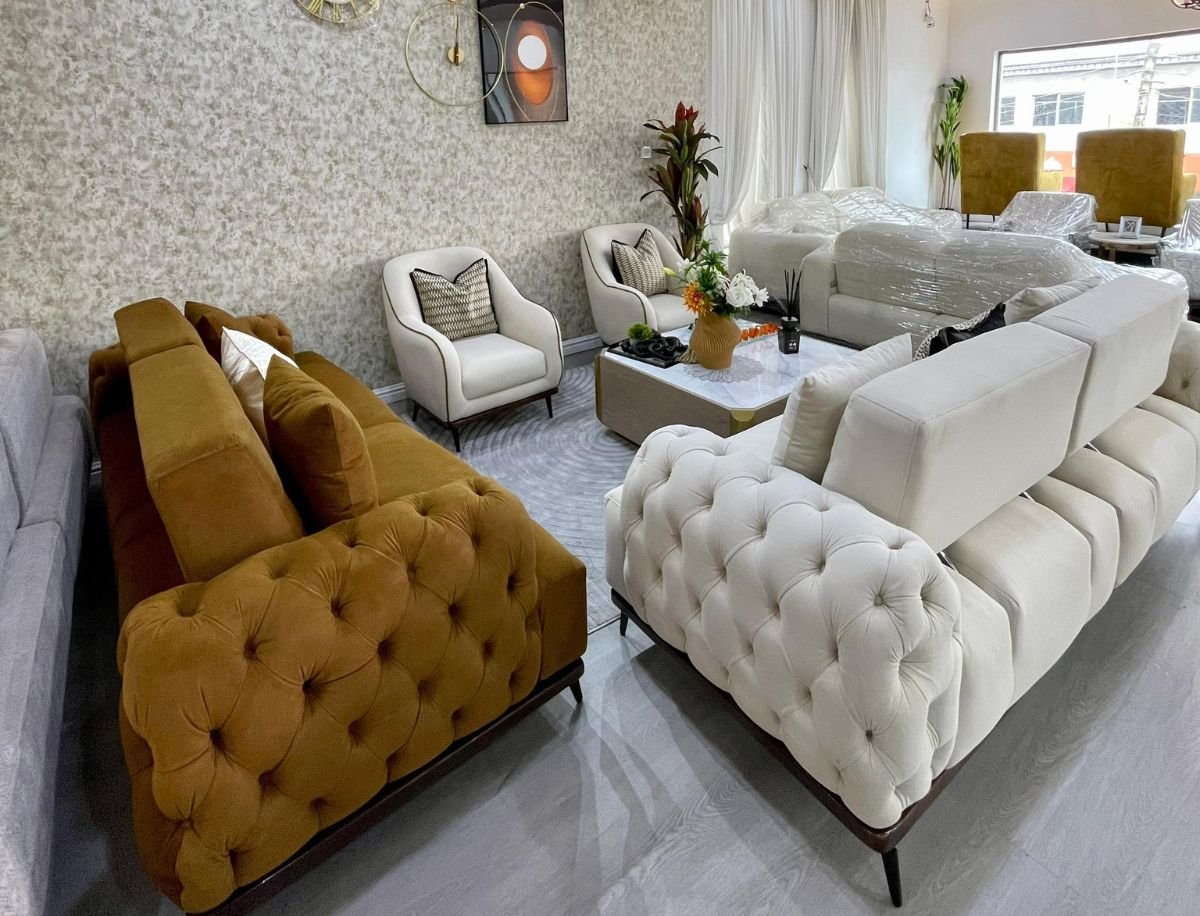
Sofas are often the first thing people notice when they enter your living room. It’s the biggest piece of furniture in the space

Opening a restaurant or refreshing your current dining space? You’re about to make one of the most crucial investments in your establishment’s success. Restaurant furniture isn’t just about filling space—it’s about creating an experience, building your brand, and ensuring your investment pays dividends for years to come. Let’s dive into everything you need to know about choosing furniture where durability shakes hands with design.
Walk into any successful restaurant, and you’ll immediately feel something. That “something” isn’t accidental—it’s carefully orchestrated through every design element, with furniture playing the leading role. Your chairs, tables, and booths aren’t just functional pieces; they’re silent salespeople working 24/7 to create ambiance, encourage longer stays, and yes, even influence how much your guests spend.
Think about it: uncomfortable seating means faster table turns but unhappy customers who won’t return. Beautiful but fragile furniture means constant replacement costs that eat into your profits. The sweet spot? That’s what we’re here to find.
Before you fall in love with that gorgeous mid-century modern chair or rustic farmhouse table, pump the brakes. Your restaurant has specific needs that go beyond what looks good on Pinterest.
Are you running a fast-casual taco joint or an upscale steakhouse? A family-friendly diner or a trendy wine bar? Your concept dictates everything. A fine dining establishment demands different furniture than a quick-service restaurant. Your furniture should tell your brand story before the server even brings the menu.
Who’s sitting in your seats? Families with toddlers need different considerations than business professionals on lunch breaks. Young couples on date nights have different comfort expectations than college students grabbing late-night pizza. Your target demographic should influence everything from seat height to cushion firmness.
Measure twice, buy once. Seriously. Understanding your square footage, traffic flow patterns, and capacity goals is non-negotiable. That stunning oversized booth might look amazing, but if it reduces your seating capacity by 30%, your profit margins will suffer. Work with your floor plan, not against it.
Here’s where the rubber meets the road—or where the chair legs meet your floor. Restaurant furniture takes a beating that would make residential furniture weep. We’re talking hundreds of uses per week, spills, scrapes, weight fluctuations, and cleaning chemicals that could strip paint.
Not all materials are created equal in the restaurant world. Let’s break down your options.
Wood brings warmth and timeless appeal. Solid hardwoods like oak, maple, and walnut can last decades with proper care. But beware of particleboard or MDF masquerading as the real deal—these won’t survive the restaurant environment. Look for kiln-dried hardwood with reinforced joints.
Metal is your workhorse. Steel and aluminum frames offer incredible durability and can handle serious weight. Powder-coated finishes resist rust and scratches better than paint. Metal works beautifully in industrial, modern, or outdoor settings.
Plastic has come a long way from cheap patio chairs. High-density commercial-grade plastics and polypropylene offer weather resistance, easy cleaning, and surprising durability. They’re lightweight, stackable, and budget-friendly—but won’t give you that premium feel.
Flip that chair over. No, really—check the underside. Quality construction shows in the details: reinforced corners, metal corner blocks, double dowels, and mortise-and-tenon joints. Avoid furniture held together primarily with staples or glue. Your furniture will face thousands of sitting-down movements, and weak construction will fail fast.
Residential furniture and commercial furniture are different species. Commercial-grade pieces meet specific weight capacity standards (usually 250-350 pounds), use thicker materials, and undergo rigorous testing. Yes, they cost more upfront, but they’re engineered for your environment.
Now for the fun part—making your space look incredible while maintaining that durability we’ve been harping on.
Colors aren’t just pretty—they’re powerful. Red stimulates appetite (hello, fast food chains), while blue creates calm and sophistication. Neutral tones offer timeless versatility and won’t clash when you refresh your decor. Dark colors hide wear better than light fabrics, but can make small spaces feel cramped.
Beautiful but uncomfortable furniture is like a sports car with no engine—looks great but doesn’t perform. Seat depth, back angle, cushion density, and armrest height all impact comfort. For fine dining where you want guests to linger, prioritize plush comfort. For quick-service concepts, slightly firmer, more upright seating naturally encourages faster turnover without being uncomfortable.
Your furniture doesn’t exist in isolation. It needs to harmonize with your flooring, lighting, wall colors, and overall aesthetic. Mix materials and styles intentionally, not randomly. A cohesive design feels professional and planned—crucial for establishing credibility and justifying your prices.
Let’s talk money. Restaurant furniture represents a significant investment, but it shouldn’t bankrupt you before you serve your first meal.
That $50 chair looks tempting compared to the $200 option. But if the cheap chair needs replacing every year while the quality piece lasts ten years, which is actually more expensive? Calculate cost-per-year, not just upfront price. Factor in replacement costs, labor for swapping out broken pieces, and the impact on guest experience.
Splurge on high-use items: dining chairs, primary tables, and host stands. These pieces face maximum wear and are central to guest experience. Save on decorative elements, outdoor furniture for covered areas, or pieces used in low-traffic zones. You don’t need your wait station furniture to match the quality of your dining room seating.
Seating choices dramatically impact capacity, comfort, and atmosphere.
Chairs offer maximum flexibility. They’re movable, replaceable individually, and accommodate various party sizes. Side chairs work everywhere; armchairs add luxury but take more space.
Booths maximize seating in limited space and create intimate, cozy atmospheres. They’re perfect for families and groups. Downside? They’re permanent fixtures that reduce flexibility.
Banquettes combine the space efficiency of booths with slightly more flexibility. They work beautifully along walls and in corners.
Bar seating offers higher profit per square foot and creates energetic atmosphere. Counter-height (24-26 inches) and bar-height (28-30 inches) stools serve different purposes. Footrests are essential—dangling feet for hours creates discomfort. Swivel seats add fun but may not suit all concepts.
Tables are the foundation—literally—of your dining experience.
Round tables facilitate conversation and fit awkwardly shaped spaces. They’re great for social dining but less space-efficient.
Square tables are versatile workhorses that push together easily for larger parties.
Rectangular tables maximize seating along walls and offer the most efficient use of linear space.
Size matters: 24-inch tables for couples, 30-36 inches for four-tops, and larger for groups. Allow 24-30 inches of table space per person for comfortable dining.
Laminate is budget-friendly, easy to clean, and available in countless finishes. It resists heat and stains but can chip.
Wood offers unmatched warmth and character. Sealed properly, it’s surprisingly durable, though it requires more maintenance.
Stone or quartz composite provides luxury and durability but comes with weight and cost considerations.
Metal works for industrial concepts and outdoor use, though it can be noisy and show water spots.
Outdoor dining extends your capacity and appeals to many guests, but it demands special furniture considerations. Look for UV-resistant materials, rust-proof construction, and weather-resistant cushions. Aluminum, teak, and high-density polyethylene (HDPE) excel outdoors. Plan for storage during off-seasons or severe weather. And don’t forget: outdoor furniture fades and degrades faster—budget for more frequent replacement.
Buy quality, then protect your investment. Implement regular inspection routines to catch loose screws, wobbly legs, or torn upholstery early. Tighten hardware quarterly. Clean furniture properly—harsh chemicals damage finishes and fabrics. Use furniture glides to prevent floor damage and reduce noise. Train staff on proper handling—dragging chairs damages floors and furniture. Consider protective treatments for wood and fabric. Keep touch-up materials on hand for quick repairs.
You’ve got options, each with pros and cons. Specialty restaurant suppliers understand commercial needs and offer durable options with industry-standard warranties. Online marketplaces provide competitive pricing and vast selection but make quality assessment harder. Local manufacturers allow customization and support your community. Liquidation and used furniture can stretch budgets but require careful inspection. Direct from manufacturers eliminates middleman markup but may require larger minimum orders.
Don’t choose style over substance—beautiful but fragile furniture costs more long-term. Avoid buying before finalizing your layout—you’ll end up with wrong sizes or quantities. Don’t forget about replacement parts and warranty coverage. Skip furniture that doesn’t meet commercial weight ratings. Don’t ignore assembly requirements—some pieces require professional installation. Avoid mixing too many styles—cohesion matters. And please, don’t forget to measure doorways and elevators before ordering—we’ve all heard those horror stories.
Choosing restaurant furniture where durability meets design isn’t rocket science, but it does require thoughtful consideration. Your furniture investment impacts guest comfort, operational efficiency, brand perception, and bottom-line profitability. Prioritize commercial-grade quality in high-use pieces, align your aesthetic with your concept and audience, calculate total cost of ownership rather than just purchase price, and plan for flexibility as your business evolves. Great restaurant furniture isn’t just something to sit on—it’s a foundational element of your guest experience and business success. Take your time, do your research, and choose pieces that will serve your restaurant beautifully for years to come. Your future self (and your accountant) will thank you.

If you’ve been tossing and turning at night, your furniture might be to blame. Most people think sleep problems come from stress or lifestyle habits, but your bedroom setup plays a much bigger role than you’d expect. From the wrong mattress to cluttered layouts, simple furniture mistakes can quietly destroy your sleep quality. The good news? Fixing them is easier than you think.
Let’s break down the top five bedroom furniture mistakes and how to solve them so you can finally enjoy deep, restful sleep.
Is your back stiff every morning? Do you wake up feeling like you didn’t sleep at all? A bad mattress is usually the culprit. Sagging, lumps, or uneven support are all red flags. If you find yourself constantly shifting positions trying to get comfortable, it’s time for a change.
Think of your mattress as the foundation of your entire sleep experience. Too soft, and your spine sinks; too firm, and pressure builds on your joints. The ideal mattress should support your natural spine alignment while still feeling comfortable.
Choose memory foam for close body contouring
Pick hybrid mattresses for a mix of support and bounce
Test multiple firmness levels before buying
Replace your mattress every 7–10 years
Investing in the right mattress is the fastest way to upgrade your sleep instantly.
A crowded bedroom feels chaotic. When your brain sees clutter, it stays alert rather than relaxing. Oversized wardrobes, giant dressers, or a king-size bed in a tiny room can make the space feel cramped and stressful.
Your bed should be the star of the room—not squeezed between walls. Leave space on both sides of the bed for balance and airflow. Make sure you can walk easily around the room without bumping into furniture.
Wall-mounted shelves
Floating nightstands
Under-bed storage
Compact wardrobes with sliding doors
Small adjustments can completely transform how your room—and your mind—feels at bedtime.
If your bed is too low, getting in and out becomes a workout. This puts unnecessary pressure on your back and knees. A balanced height (around knee-level) helps you move naturally and comfortably.
A shaky, squeaky frame doesn’t just ruin sleep; it creates subconscious stress. Every creak signals movement, waking your brain and pulling you out of deep sleep cycles.
Choose hardwood or metal frames for durability
Avoid cheap materials that warp over time
Make sure slats are sturdy and evenly spaced
Check weight capacity if you use a heavy mattress
A stable frame equals more stable sleep.
Even if your bedroom looks tidy, hidden clutter (like stuffed drawers or piled-up wardrobes) still weighs on your mind. Clutter increases anxiety, making it harder to drift off.
Choose furniture that does double-duty:
Beds with built-in drawers
Ottomans with storage
Tall dressers instead of wide ones
Multi-compartment wardrobes
Everything needs a home—especially in a sleep sanctuary.
Keep only items you truly use
Stick to 2–3 essential furniture pieces
Hide cables and loose items
Use baskets or boxes for small objects
A clean space equals a calm mind.
Your nightstand should be level with your mattress—not too high, not too low. If you have to reach awkwardly for your phone or lamp, your body strains, interrupting your relaxation.
Nightstands often become dumping grounds. The more cluttered it gets, the less restful your space feels. Keep only essentials:
A lamp
A book
Water
Glasses
A small décor item
Everything else? Store it or remove it.
Pick a nightstand that fits your room size. Narrow rooms need slimmer designs; spacious bedrooms can handle wider ones with drawers.
Harsh or poorly placed lighting disrupts your sleep hormones. Bright overhead lights can overstimulate your brain right before bedtime.
Furniture can block natural light during the day or reflect artificial light at night. Position your bed so it avoids direct glare from lamps and windows.
Use warm bedside lamps to signal your brain that it’s time to wind down.
Choose soft, rounded edges over sharp, angular furniture
Use natural materials like wood or bamboo
Incorporate breathable fabrics for bedding
These choices help create a warm, peaceful environment.
Stick to calming colours:
Soft blues
Neutral tones
Earthy greens
Warm beiges
Use textures like cotton, linen, or velvet to add depth and comfort.
Your bedroom should feel like a retreat, not a source of stress. By avoiding these five common furniture mistakes—and making a few smart adjustments—you can transform your space into a sleep haven. Better furniture choices lead to better sleep, and better sleep leads to a better you.
Invest in a room that helps you rest, recharge, and wake up refreshed every day.

Living in a small bedroom doesn’t mean you have to sacrifice style or functionality. Whether you’re in a studio apartment, a college dorm, or a cozy city flat, the right furniture can completely transform how your space looks and feels. Have you ever walked into a cramped room and felt instantly overwhelmed? That’s the power of poor space management. But here’s the good news: with clever space-saving furniture, even the tiniest bedroom can become a stylish, organized sanctuary.
Space-saving furniture isn’t just about fitting more stuff into less space. It’s about creating breathing room, establishing flow, and making your bedroom a place where you actually want to spend time. Think of it like solving a puzzle—every piece needs to fit perfectly to reveal the bigger picture. In this article, we’ll explore the best furniture solutions that’ll help you maximize every square inch without compromising on aesthetics.
Small bedrooms come with their own unique set of frustrations. There’s never enough closet space, your bed takes up half the room, and forget about having a dedicated workspace. You’re constantly playing Tetris with your belongings, and somehow, it still feels cluttered. Sound familiar?
The biggest issue most people face is trying to fit standard-sized furniture into undersized spaces. That queen bed might look perfect in the showroom, but in your 10×10 bedroom? It becomes a space-eating monster. Add a bulky dresser and a nightstand, and you’re left with barely enough room to walk around. The struggle is real, but it’s definitely solvable.
Here’s something interesting: how we perceive space affects our mood and productivity. A cluttered, cramped bedroom can increase stress levels and make relaxation nearly impossible. Your brain needs visual breathing room to unwind properly. When everything feels tight and chaotic, your mental state mirrors that environment.
Creating the illusion of space is just as important as actual square footage. Strategic furniture placement, the right color palette, and smart storage solutions can trick your brain into thinking a room is larger than it really is. It’s not magic—it’s psychology meeting design.
Multifunctional furniture is the superhero of small spaces. These pieces serve multiple purposes, eliminating the need for separate items. A bed that also provides storage? Check. A desk that folds into the wall? Absolutely. This type of furniture adapts to your needs throughout the day, transforming your bedroom from sleeping quarters to workspace to entertainment zone.
The beauty of multifunctional pieces lies in their versatility. Instead of owning five separate furniture items, you might only need two or three that pull double or triple duty. This approach doesn’t just save physical space—it also saves money and reduces visual clutter.
Beyond the obvious space advantages, multifunctional furniture offers flexibility. Your lifestyle might change—maybe you start working from home or decide to host overnight guests more often. Convertible furniture adapts to these shifts without requiring a complete room overhaul.
There’s also an environmental angle. Buying fewer pieces means less manufacturing, less shipping, and ultimately less waste. Plus, quality multifunctional furniture tends to be built to last, making it a sustainable choice for conscious consumers.
Murphy beds are legendary for good reason. During the day, they fold up into the wall or a cabinet, freeing up massive amounts of floor space. Modern Murphy beds have come a long way from their clunky ancestors—today’s versions are sleek, easy to operate, and incredibly sturdy.
Some Murphy bed systems come with built-in shelving, desks, or even sofas attached to the underside. When you lift the bed, you reveal a fully functional living area. It’s like having two rooms in one, and for studios or tiny bedrooms, this transformation is absolutely game-changing.
Storage beds feature drawers or lift-up platforms underneath the mattress, turning wasted space into valuable storage real estate. You can stash everything from extra linens to off-season clothing, keeping these items accessible but out of sight.
Platform beds with built-in drawers are particularly popular because they eliminate the need for a separate dresser. The storage is integrated seamlessly into the bed frame, maintaining clean lines and a minimalist aesthetic. No more shoving boxes under your bed—now everything has a proper home.
Need a workspace but don’t have room for a traditional desk? Wall-mounted desks are your answer. These compact surfaces fold down when you need them and disappear when you don’t. They’re perfect for homework, laptop work, or even as a vanity table.
Folding tables offer similar flexibility. Some designs feature drop-leaf extensions that expand when you need extra surface area and contract when you don’t. This adaptability means you’re never committed to one configuration—your furniture works around your schedule, not the other way around.
Traditional closets often waste vertical space or lack proper organization. Compact armoires and modular wardrobe systems maximize every inch with adjustable shelving, hanging rods at different heights, and built-in drawers.
Look for narrow, tall pieces that capitalize on vertical space rather than sprawling wide. Some modern wardrobes even feature mirrored doors, which serve the dual purpose of storage and making your room feel larger through reflection.
When floor space is limited, the only direction to go is up. Floor-to-ceiling shelving units draw the eye upward, creating the illusion of height while providing tons of storage. These shelves can hold books, decorative items, storage boxes, and more.
The key is keeping the lower shelves practical and accessible while using upper shelves for items you don’t need daily. This tiered approach prevents your room from feeling top-heavy while maximizing storage capacity. Plus, tall shelving units create vertical lines that make ceilings appear higher.
Don’t underestimate the power of walls. Hanging organizers, pegboards, and strategic hook placement can clear surfaces and floors significantly. Behind-the-door organizers are especially valuable—they utilize space that would otherwise go completely unused.
Wall hooks aren’t just for coats. Use them for bags, accessories, headphones, or even folding chairs. The more you can get off the floor and onto walls, the more open and spacious your room will feel. Just be mindful not to over-clutter your walls, as too many visual elements can have the opposite effect.
Ottomans and benches with hidden storage compartments are incredibly versatile. Place one at the foot of your bed for seating and shoe storage, or use it as a coffee table alternative in a studio setup. The lid lifts to reveal ample storage for blankets, magazines, or whatever you need to tuck away.
These pieces blend seamlessly into any décor style, from modern minimalist to cozy traditional. They’re proof that storage solutions don’t have to look utilitarian—they can be beautiful and functional simultaneously.
Nightstands serve as bedside command centers, but the surface area alone isn’t enough. Choose nightstands with multiple drawers or shelves to maximize storage. Some models even feature charging stations or cord management systems built right in.
Wall-mounted floating nightstands are another excellent option. They provide surface space and storage without taking up valuable floor area, and they make cleaning underneath much easier. This floating effect also contributes to that airy, spacious feeling we’re after.
Corners are frequently neglected in bedroom layouts, yet they offer prime real estate for furniture placement. Corner desks, triangular shelves, and L-shaped configurations make use of these awkward spaces without interrupting traffic flow.
A corner reading nook with a small chair and floor lamp can become your favorite spot in the house. Or install corner shelving to display plants and decorative items. The goal is ensuring no space goes to waste, and corners definitely qualify as untapped potential.
Even in a tiny bedroom, you can create distinct zones for different activities. Use furniture placement, area rugs, or even subtle lighting changes to define sleeping, working, and dressing areas. This psychological separation helps your brain associate different parts of the room with different functions.
For example, position your bed against one wall, place your desk on the opposite side, and use a bookshelf or curtain as a visual divider. This creates the impression of separate rooms within one space, making the bedroom feel more organized and purposeful.
Color psychology plays a huge role in how spacious a room feels. Light, neutral colors reflect more light and make walls appear to recede, creating the illusion of more space. Whites, soft grays, pale blues, and gentle pastels are all excellent choices for small bedrooms.
This doesn’t mean your room has to be boring or sterile. Use varying shades of the same color family to add depth and interest. Texture also becomes more important in monochromatic schemes—think linen bedding, woven baskets, and soft rugs to add visual richness without overwhelming the space.
Mirrors are the oldest trick in the small-space handbook, and they work beautifully. A large mirror or a wall of mirrored closet doors reflects light and creates the perception of double the space. Position mirrors opposite windows to maximize natural light reflection throughout the room.
Mirrored furniture pieces, like a dresser or nightstand with mirrored surfaces, add glamour while enhancing brightness. Just avoid going overboard—too many reflective surfaces can feel disorienting rather than spacious.
Who says you can’t have overnight guests in a small bedroom? Sofa beds have evolved tremendously from the uncomfortable pull-outs of yesteryear. Modern designs offer genuine comfort and style, functioning as attractive seating during the day and transforming into proper beds at night.
Look for sofa beds with memory foam mattresses and sturdy frames. Some models even include storage compartments underneath, giving you triple functionality in one piece. When you’re tight on space but big on hospitality, a quality sofa bed is invaluable.
Stackable chairs, nesting tables, and collapsible furniture give you options without permanent commitment. Need extra seating when friends visit? Pull out the stackable stools. Want a larger work surface? Nest your tables together. When the gathering’s over, everything stacks away neatly.
This type of furniture is particularly brilliant for people who live alone but occasionally entertain. You’re not sacrificing daily living space for occasional needs—you’re adapting your environment as situations demand.
Technology has infiltrated furniture design in the best possible way. Smart beds now feature USB charging ports, adjustable bases controlled by apps, built-in speakers, and even sleep-tracking capabilities. These features eliminate the need for separate devices cluttering your nightstand.
Some high-tech bed frames include LED lighting underneath, creating ambient illumination that’s both practical and atmospheric. Imagine never stubbing your toe on a midnight bathroom trip again—that’s the beauty of thoughtfully integrated technology.
Storage doesn’t have to be dark and mysterious. LED-lit shelving and closet systems illuminate your belongings, making everything easier to find while adding a modern, boutique-like ambiance to your bedroom. Motion-sensor lights in drawers and closets are especially convenient.
These lighting solutions serve a practical purpose while doubling as design elements. A backlit bookshelf or illuminated wardrobe becomes a statement piece, proving that functional furniture can absolutely be beautiful.
You don’t need a massive budget to transform your small bedroom. DIY projects offer customized solutions at a fraction of retail prices. Build your own platform bed with storage underneath, create floating shelves from reclaimed wood, or repurpose crates into stylish storage cubes.
Pinterest and YouTube are goldmines for DIY furniture tutorials. With basic tools and some weekend time, you can create pieces perfectly tailored to your space’s dimensions. Plus, there’s something deeply satisfying about sleeping in a bed or working at a desk you built yourself.
Budget-conscious shoppers have more options than ever. Retailers like IKEA specialize in space-saving furniture at accessible price points. Their modular systems allow you to customize configurations as your needs and budget evolve.
Thrift stores, estate sales, and online marketplaces often yield hidden gems—quality pieces at bargain prices. A little paint or new hardware can transform a secondhand find into something that looks custom and expensive. Shopping smart doesn’t mean settling for less; it means being creative and patient.
In small bedrooms, less really is more. A minimalist approach doesn’t mean cold or empty—it means intentional. Every item in your room should either serve a purpose or bring you genuine joy. This edited approach prevents visual overwhelm and makes your space feel serene.
Choose quality over quantity. One beautiful piece of art makes more impact than a cluttered gallery wall. A single statement plant breathes more life into a room than a dozen struggling succulents. Curate your space like a boutique hotel—everything present has earned its place.
Your bedroom should reflect your personality, even within space constraints. Select a few meaningful items—photos, artwork, collectibles—and display them thoughtfully. Use floating shelves or a dedicated display area rather than scattering items everywhere.
Rotate decorative pieces seasonally to keep your space feeling fresh without acquiring more stuff. This approach lets you enjoy all your treasures over time without cramming them all into view simultaneously. It’s about quality of display, not quantity of objects.
The biggest mistake in small bedroom design is trying to cram in too much furniture. Not every room needs a nightstand on both sides of the bed, a dresser, a desk, and a reading chair. Evaluate what you genuinely need versus what you think you should have.
Sometimes, removing furniture actually makes a space more functional. That bulky dresser might be taking up valuable floor space when a storage bed could handle your clothing needs. Challenge conventional room setups and think creatively about your actual lifestyle requirements.
Many people focus exclusively on floor space while leaving walls bare. This is a huge missed opportunity. Vertical storage, wall-mounted furniture, and tall shelving units are game-changers for small bedrooms.
Installing hooks, shelves, and hanging organizers requires minimal effort but yields maximum results. Every inch of wall space is potential storage or display area—use it wisely, and your floor will thank you with the gift of openness.
Transforming a small bedroom into a stylish, functional space isn’t about fighting against limitations—it’s about embracing them as creative challenges. Space-saving furniture gives you the power to live comfortably without feeling cramped or sacrificing your personal style. From Murphy beds that disappear into walls to storage solutions hiding in plain sight, today’s furniture options are smarter than ever.
Remember, the key is thinking vertically, choosing multifunctional pieces, and being intentional about what enters your space. Your small bedroom has enormous potential waiting to be unlocked. With the right furniture and layout strategies, you’ll create a room that feels twice its actual size while reflecting your unique personality. Size isn’t everything—it’s what you do with the space that truly matters.

Shopping for a bed frame shouldn’t feel like rocket science, but somehow it does, right? You walk into a store or browse online, and suddenly you’re drowning in options—wood, metal, upholstered, platform, storage. The list goes on. Here’s the thing: your bed frame isn’t just a piece of furniture that holds your mattress off the ground. It’s the foundation of your sleep sanctuary, and choosing the wrong one can lead to squeaky nights, sagging support, or worse—a frame that breaks down in just a couple of years.
So how do you pick a bed frame that’ll actually last? Let’s break it down together.
Think about it—you spend roughly a third of your life in bed. That’s a lot of pressure on your bed frame, literally and figuratively. A quality frame doesn’t just support your mattress; it supports your body, your sleep quality, and even your bedroom aesthetic. A flimsy frame can cause your mattress to wear unevenly, lead to annoying noises every time you move, and even pose safety risks if it collapses.
Investing in a durable bed frame means you’re setting yourself up for years of solid sleep without the hassle of replacements or repairs. It’s one of those purchases where quality genuinely pays off over time.
Not all bed frames are created equal, and the material you choose plays a massive role in longevity.
Wood has been the go-to material for bed frames for centuries, and there’s a good reason for that. Hardwoods like oak, maple, and walnut offer incredible strength and can handle heavy weight without bending or breaking. They also bring a warm, classic look to any bedroom.
But here’s the catch: not all wooden frames are made from solid wood. Some use particle board or MDF (medium-density fiberboard), which can chip, warp, or break down much faster. If you’re going wooden, look for solid hardwood construction or at least high-quality plywood for the best durability.
Metal frames, typically made from steel or wrought iron, are champions of durability. They can support tremendous weight, resist warping, and often come with minimalist, modern designs that work in various bedroom styles. Plus, they’re usually lighter and easier to move than wooden frames.
The downside? Cheaper metal frames can squeak over time as joints loosen, and they might not offer the same aesthetic warmth as wood. Look for frames with welded joints rather than bolted ones for better long-term stability.
Upholstered frames wrap the frame structure in fabric, faux leather, or genuine leather, creating a plush, luxurious look. They’re incredibly comfortable if you like sitting up in bed to read or watch TV since you can lean back against the soft headboard.
However, durability depends heavily on both the frame underneath and the upholstery quality. The fabric can wear, stain, or tear over time, especially with pets or kids. The internal frame—usually wood or metal—determines the actual longevity, so don’t be fooled by a pretty exterior.
Platform frames have built-in support slats, eliminating the need for a box spring. They sit lower to the ground and offer a sleek, contemporary vibe. Traditional frames typically require a box spring and sit higher.
Platform frames tend to be more durable for the simple fact that there are fewer moving parts and components that can fail. However, both can last decades if constructed properly.
Beyond materials, certain features separate frames that last from those that don’t.
Check the manufacturer’s weight capacity rating. A quality frame should comfortably support at least 600-800 pounds for a queen or king size—that’s the combined weight of two adults, a mattress, and bedding, plus a safety margin.
Frames with inadequate weight capacity will bow, bend, or break prematurely. If the listing doesn’t mention weight capacity, that’s often a red flag.
How the frame is put together matters enormously. Look for:
Avoid frames held together primarily by cam locks or cheap hardware—these loosen over time and create wobbles and squeaks.
This is huge and often overlooked.
Larger mattresses need additional support in the middle. Without a center support bar (or multiple support legs running down the middle), the frame will sag over time, damaging both the frame and your mattress. This is especially critical if you have a memory foam or hybrid mattress that’s already quite heavy.
Quality frames for queen and king sizes should have a center support bar with at least one or two legs extending to the floor. This simple feature can add years to your frame’s lifespan.
Different styles offer different advantages when it comes to durability.
These feature curved headboards and footboards that resemble a sleigh. They’re typically made from solid wood and are quite sturdy, but their ornate design means more potential points of stress. High-quality sleigh beds last decades, but cheaper versions can develop cracks in the curved portions.
Classic and elegant, four-poster beds with vertical posts at each corner are generally very stable since the posts act as additional support. Just make sure the posts are solid wood or thick metal, not hollow tubes.
These incorporate drawers or lift-up storage beneath the mattress. While incredibly practical, the added mechanisms and moving parts mean more potential failure points. Look for storage beds with solid drawer construction and smooth, metal glide systems rather than cheap plastic tracks.
These motorized frames let you elevate your head or feet. They’re becoming more popular, especially for people with certain health conditions. Durability depends heavily on the motor quality and warranty. Expect to pay significantly more for a frame that’ll last a decade or more.
This might seem obvious, but make sure your frame actually fits your mattress properly. A frame that’s too small won’t support the edges adequately, leading to premature mattress wear. One that’s too large looks awkward and might not provide proper edge support either.
Also, consider your room size. A massive king frame might overwhelm a small bedroom, and you’ll need to navigate around it constantly, potentially bumping into and damaging it over time.
Here’s the reality: a quality bed frame is an investment. You can find decent options starting around $200-$300, but frames built to truly last often range from $400-$1,000 or more.
That said, expensive doesn’t automatically mean durable. Focus on the features we’ve discussed rather than just the price tag. Sometimes mid-range frames from reputable manufacturers outperform luxury brands that prioritize aesthetics over engineering.
Think of it this way—if a $600 frame lasts 15 years and a $200 frame lasts 3 years, which is really the better deal? Exactly.
Research matters. Look for brands with established reputations for quality furniture. Read reviews, but be smart about it—look for patterns in complaints rather than isolated incidents.
Warranty coverage tells you a lot about a manufacturer’s confidence in their product. Quality frames typically come with warranties ranging from 5 years to lifetime coverage. If a company only offers a 1-year warranty, they’re essentially telling you the frame probably won’t last much longer than that.
Some frames arrive fully assembled, while others require significant DIY work. Neither is inherently better, but complex assembly with lots of hardware can create more potential loose connections down the road.
For maintenance, wooden frames benefit from occasional tightening of bolts and screws. Metal frames need periodic checks for rust, especially in humid climates. Upholstered frames should be vacuumed regularly to prevent dust buildup.
The easier a frame is to maintain, the more likely you’ll actually do it, which extends its life.
Your mattress type influences which frame works best:
Using the wrong frame can void your mattress warranty, so check your mattress manufacturer’s requirements.
Let’s talk about what not to do:
If you’re shopping in person, don’t be shy:
For online purchases, scrutinize photos, specifications, and return policies. Many companies offer trial periods—take advantage of them.
If sustainability matters to you, look for:
Sustainable doesn’t mean sacrificing durability—in fact, companies focused on sustainability often build products designed to last longer, reducing waste.
Choosing a bed frame that’ll last years isn’t about finding the most expensive option or the trendiest design. It’s about understanding materials, construction quality, and your specific needs. A well-chosen frame supports not just your mattress, but your overall sleep experience and bedroom environment.
Take your time with this decision. Measure carefully, read reviews thoroughly, and don’t be afraid to ask questions. Whether you prefer the warmth of wood, the sleekness of metal, or the luxury of upholstery, there’s a durable option out there for you.
Remember, your bed frame is the foundation of good sleep. Invest wisely, and it’ll support you through countless restful nights for years to come.
Finding the perfect bed frame that stands the test of time doesn’t have to be overwhelming. By focusing on quality materials, solid construction, appropriate support features, and matching the frame to your specific mattress and lifestyle needs, you’re setting yourself up for success. Don’t rush this decision—your future self will thank you when you’re still sleeping soundly on a stable, squeak-free frame a decade from now. Quality bed frames are investments in your daily comfort and long-term satisfaction, so choose wisely and sleep well.

Have you ever wondered why you sleep like a baby at a luxury hotel but toss and turn in your own bed? The secret might not be in the thread count of the sheets or the chocolate on the pillow. It’s likely in the furniture itself. Your bedroom furniture isn’t just about aesthetics or storage—it’s a critical component of your overall health and wellbeing.
We spend roughly a third of our lives sleeping, yet most of us give more thought to choosing our smartphones than selecting our mattresses. That’s a problem. The furniture surrounding you during those precious hours of rest can either promote restorative sleep or sabotage it entirely. From the mattress that supports your spine to the nightstand that holds your phone, every piece plays a role in the quality of your sleep—and by extension, your health.
Let’s dive into the fascinating science behind how your bedroom furniture choices impact everything from your back pain to your breathing, your stress levels to your immune system.
Before we talk furniture, let’s understand what happens when you sleep. Your body doesn’t just “turn off” for the night. Instead, you cycle through different stages of sleep, including light sleep, deep sleep, and REM (rapid eye movement) sleep. Each stage serves specific functions—from consolidating memories to repairing tissues and regulating hormones.
Deep sleep is when your body does its most intensive repair work. Your immune system strengthens, muscles recover, and growth hormones are released. REM sleep, on the other hand, is crucial for cognitive functions like learning and emotional regulation. Interrupting these cycles—even if you don’t fully wake up—can leave you feeling groggy, irritable, and less healthy over time.
Your sleep environment acts as either a facilitator or an obstacle to these natural cycles. Temperature, light exposure, noise levels, and air quality all influence how easily you fall asleep and how well you stay asleep. But here’s what many people overlook: your furniture is the primary mediator of these environmental factors.
Think about it. Your mattress regulates temperature against your skin. Your bed frame determines airflow underneath you. Your dresser might be off-gassing chemicals into the air you breathe. Your nightstand dictates where you place sleep-disrupting devices. Every furniture choice creates a ripple effect on your sleep environment.
The bedroom furniture industry has exploded with ergonomic designs, smart technologies, and health-focused innovations—and for good reason. Research consistently shows that physical comfort directly correlates with sleep quality. When your body is properly supported and your environment is optimized, you fall asleep faster, experience fewer disruptions, and wake up more refreshed.
But it’s not just about comfort in the traditional sense. The right furniture choices can reduce chronic pain, minimize allergen exposure, improve respiratory function, and even support mental health by creating a calming, organized space.
There’s also a powerful psychological component to bedroom furniture. Our brains are remarkably good at associating spaces with activities. When your bedroom contains work desks, exercise equipment, or entertainment centers, your brain receives mixed signals. Is this a place for activity or rest?
Strategic furniture placement and selection help establish clear boundaries. A bedroom dedicated primarily to sleep—with furniture that supports this purpose—trains your brain to associate the space with relaxation. This psychological priming makes falling asleep easier and can even help with conditions like insomnia.
Let’s start with the most obvious piece: your mattress. The human spine has natural curves that need support throughout the night. A mattress that’s too soft allows your hips and shoulders to sink too deeply, creating an unnatural bend in your spine. Too firm, and your spine can’t maintain its natural curvature, creating pressure points.
The result? You might wake up with back pain, neck stiffness, or numbness in your extremities. Over time, poor spinal alignment during sleep can contribute to chronic musculoskeletal problems. Studies show that medium-firm mattresses tend to work best for most people, though individual needs vary based on weight, sleep position, and existing health conditions.
Different mattress materials offer distinct health benefits and drawbacks. Memory foam contours to your body, distributing weight evenly and reducing pressure points. This can be especially beneficial for people with joint pain or arthritis. However, traditional memory foam can trap heat, potentially disrupting sleep for hot sleepers.
Innerspring mattresses offer better airflow and a bouncier feel but may not provide adequate pressure relief for side sleepers or those with chronic pain. Hybrid mattresses attempt to combine the best of both worlds, offering support where needed and cushioning where it counts.
Temperature regulation deserves special attention because your body temperature naturally drops during sleep. A mattress that retains too much heat can interfere with this process, making it harder to fall asleep and stay asleep. Modern mattress technologies—like gel-infused foams, phase-change materials, and breathable covers—address this issue by promoting airflow and heat dissipation.
While mattresses get most of the attention, pillows are equally critical for spinal health. The wrong pillow can force your neck into an unnatural position for hours, leading to tension headaches, neck pain, and even affecting your breathing.
Back sleepers generally need thinner pillows that support the natural curve of the neck without pushing the head too far forward. Side sleepers require thicker pillows to fill the gap between the shoulder and head, keeping the spine aligned. Stomach sleepers—though this position isn’t ideal—need very thin pillows or none at all to avoid straining the neck.
Pillows accumulate dust mites, dead skin cells, and other allergens over time. For people with allergies, asthma, or other respiratory conditions, this can mean nightly exposure to triggers that disrupt sleep and worsen symptoms. Hypoallergenic pillow materials—such as latex, certain synthetic fills, or pillows with antimicrobial treatments—can significantly improve sleep quality and respiratory health.
Bed frames might seem purely aesthetic, but they affect your sleep health in subtle ways. Elevated bed frames with proper slats or box springs provide better air circulation around your mattress, helping regulate temperature and prevent moisture buildup that encourages mold and dust mites.
Platform beds sit lower to the ground and often have solid bases. While they offer a sleek, modern look, they may not provide as much airflow. However, many modern platform beds include slats or ventilation systems that address this concern.
Bed frames with built-in storage can be a double-edged sword. While they maximize space efficiency, they can also accumulate dust in hard-to-clean areas. If you have allergies or asthma, this stored dust can become airborne when you move in bed, triggering symptoms. Choosing storage beds with sealed drawers or committing to regular cleaning can mitigate this issue.
Here’s something you might not have considered: where you place your nightstand matters. Many people charge their phones, tablets, and other electronic devices on their nightstands, creating a concentration of electromagnetic fields (EMFs) near their heads while they sleep.
While research on EMF exposure during sleep is ongoing, some studies suggest potential links between high exposure and sleep disturbances. At minimum, having your phone within arm’s reach encourages late-night scrolling, exposing you to blue light that suppresses melatonin production. A thoughtfully placed nightstand can help you maintain healthy distance from these devices.
Visual clutter creates mental clutter. When your nightstand overflows with books, medications, receipts, and random items, it contributes to a sense of chaos that can increase stress and make relaxation difficult. A simple nightstand with just essentials—perhaps a lamp, a book, and a glass of water—creates a more peaceful environment conducive to sleep.
Ever tried to sleep in a room with clothes piled on chairs and overflowing from open drawers? It’s harder than it should be. Visual disorder in your environment can translate to mental disorder, making it difficult for your brain to shift into rest mode.
Adequate wardrobe and dresser space allows you to maintain organization, which promotes a sense of control and calm. When your clothing and belongings have designated places, your bedroom becomes a sanctuary rather than a source of stress.
New furniture—especially pieces made with particleboard, MDF, or certain finishes—can release volatile organic compounds (VOCs) into the air. These chemicals, which include formaldehyde and benzene, can cause headaches, respiratory irritation, and sleep disruptions.
Solid wood furniture, pieces certified by organizations like GREENGUARD, or furniture that’s been properly aired out before use release fewer harmful chemicals. Given that you spend so much time in your bedroom, investing in low-VOC furniture is an investment in your respiratory health.
Your body’s sleep-wake cycle is regulated by melatonin, a hormone that increases in the evening to prepare you for sleep. Light exposure—particularly blue light—suppresses melatonin production, making it harder to fall asleep.
The lighting fixtures you choose for your bedroom matter enormously. Overhead lights with harsh, bright bulbs can keep you alert when you should be winding down. In contrast, bedside lamps with warm-toned, dimmable bulbs support your body’s natural transition to sleep.
Consider lighting as functional furniture. Table lamps with adjustable brightness, wall sconces with warm LED bulbs, or even smart lights that automatically dim as bedtime approaches can all support healthy sleep patterns. The key is having control over both the intensity and color temperature of your bedroom lighting.
That comfortable chair in the corner of your bedroom—is it helping or hurting your sleep? If you use it for working, eating, or other active tasks, you’re training your brain to associate your bedroom with wakefulness rather than rest.
However, a chair designated for pre-sleep routines—like reading before bed or putting on shoes in the morning—can actually support healthy sleep hygiene by creating structured transitions between activities and rest.
A comfortable reading chair with good lighting can encourage you to read before bed instead of scrolling through your phone. Since reading (from a physical book) doesn’t involve blue light exposure and engages your brain in a relaxing way, this furniture choice can directly improve your sleep quality by supporting healthier bedtime habits.
Color psychology is real, and it extends to your furniture choices. Warm, neutral tones—like soft grays, beiges, and muted blues—tend to promote relaxation and calm. These colors don’t overstimulate the visual cortex, making it easier for your mind to settle down.
In contrast, bright reds, oranges, and intense patterns can be energizing and stimulating—great for a living room, less ideal for a sleep sanctuary. When selecting bedroom furniture, consider not just whether you like the color, but whether it supports the mood you want to create.
Natural materials like solid wood, cotton, wool, and natural latex tend to be more breathable and less likely to off-gas harmful chemicals. They also often have better temperature-regulating properties than synthetic alternatives.
Synthetic materials aren’t necessarily bad—modern manufacturing has created many safe, high-quality options—but it’s worth researching what your furniture is made of, especially if you have chemical sensitivities or respiratory conditions.
We’ve touched on this, but it bears repeating: new furniture can significantly impact your bedroom’s air quality. That “new furniture smell” isn’t just an odor—it’s often VOCs being released into your environment. In poorly ventilated bedrooms, these chemicals can accumulate to levels that cause health effects.
Symptoms of VOC exposure can include headaches, dizziness, respiratory irritation, and—you guessed it—sleep disturbances. The effects can be particularly pronounced at night when you’re spending extended periods in close contact with new furniture.
Look for furniture with certifications like GREENGUARD Gold, which indicates low chemical emissions. Alternatively, buy used or vintage furniture that has already completed most of its off-gassing process. If you do buy new furniture, consider airing it out in a garage or well-ventilated space for a few weeks before bringing it into your bedroom.
If you share your bed, you know the frustration of being woken up every time your partner moves. This motion transfer is largely determined by your mattress and bed frame construction. Innerspring mattresses tend to transfer more motion than memory foam or latex options.
Similarly, bed frames that are loose, squeaky, or poorly constructed can amplify movement and create noise that disrupts sleep. A solid, well-built bed frame with proper support not only extends your mattress’s life but also creates a quieter, more stable sleep environment.
The placement of furniture can affect how sound travels in your bedroom. Large pieces like wardrobes and upholstered headboards can actually absorb sound, reducing noise from adjacent rooms or outside. Conversely, an empty room with minimal furniture can create echo effects that amplify disturbing sounds.
Strategic furniture placement—like positioning your bed away from shared walls or placing a large dresser along a noisy exterior wall—can improve your acoustic environment and protect your sleep.
So how do you put all this science into practice? Start by assessing your current bedroom furniture with fresh eyes. Does your mattress provide adequate support? Are there pieces that create clutter or don’t serve your sleep needs? What about air quality and temperature regulation?
Prioritize your upgrades based on what will make the biggest impact. For most people, that’s the mattress and pillows. Then consider what bothers you most about your current setup—maybe it’s lack of storage creating visual clutter, or a nightstand that encourages phone use.
When shopping for new furniture, don’t just consider appearance and price. Ask about materials, VOC levels, and warranty coverage. Test mattresses in-store by lying in your typical sleep position for at least 10-15 minutes. Research brands known for quality and sustainability.
You don’t need to spend a fortune to create a healthier sleep environment. Sometimes the best changes are free: rearranging furniture to improve flow, removing work-related items, or decluttering your nightstand.
For purchases, consider buying quality used furniture that’s already off-gassed. A solid wood dresser from a thrift store is often healthier and better made than a new particleboard piece. Invest your larger budget in items that directly contact your body—mattress, pillows, sheets—and save on other pieces.
You can also make incremental improvements over time. Replace your pillows first, save for a better mattress, then gradually upgrade other pieces. Every positive change contributes to better sleep and better health.
Your bedroom furniture isn’t just stuff that fills a room—it’s the infrastructure of your sleep health. From the mattress that supports your spine to the nightstand that determines your phone’s proximity, every piece influences how well you sleep. And since quality sleep is foundational to physical health, mental clarity, emotional stability, and overall wellbeing, your furniture choices have far-reaching consequences.
The good news is that you have control over these choices. By understanding the science behind how furniture affects sleep, you can make informed decisions that support your health goals. Whether you’re dealing with chronic pain, allergies, insomnia, or simply want to optimize your rest, your bedroom furniture is a powerful tool.
So take a fresh look at your bedroom. What’s working? What isn’t? What changes could help you sleep better and, by extension, live better? Your future self—rested, healthy, and energized—will thank you for the investment.

Remember when working from home was considered a luxury perk reserved for a select few? Well, those days are long gone. The global shift toward remote and hybrid work has transformed spare bedrooms, dining tables, and corner nooks into full-fledged office spaces. And with this transformation comes a burning question that’s probably crossed your mind at least once: is investing in proper home office furniture actually worth it, or is it just another overhyped trend designed to empty your wallet?
You’re not alone in wondering this. As someone hunched over a makeshift desk or sinking into a kitchen chair for the fifth hour straight, you’ve likely contemplated whether that $800 ergonomic chair or $1,200 standing desk would genuinely change your life—or if it’s just fancy marketing dressed up as necessity. Let’s dive deep into this debate and help you figure out what’s right for your situation, your budget, and your sanity.
The workplace landscape has undergone a seismic shift. What started as a temporary pandemic measure has evolved into a permanent fixture of modern work culture. Companies worldwide have embraced remote and hybrid models, with millions of professionals now spending significant time working from home. This isn’t just a passing phase—it’s a fundamental restructuring of how we approach work.
This shift has created an explosion in the home office furniture market. Suddenly, everyone needs a dedicated workspace, and manufacturers have been more than happy to meet this demand with products ranging from budget-friendly basics to luxury items that cost more than some people’s monthly rent.
When we talk about home office furniture, we’re covering more ground than you might think. Sure, there’s the obvious stuff—desks and chairs. But the category extends to filing cabinets, bookshelves, monitor stands, cable management systems, lighting fixtures, and even footrests. Some people go all-in with sit-stand desks, ergonomic keyboard trays, and specialized storage solutions.
The question isn’t whether you need furniture to work from home—you obviously do. The real question is how much you should invest and which pieces actually make a difference versus which ones are just nice-to-haves dressed up as necessities.
Let’s get real for a second: your body isn’t designed to hunch over a laptop on your couch for eight hours a day. And unlike your traditional office, where your employer is legally required to provide ergonomically sound furniture, your home setup is entirely your responsibility.
Poor posture doesn’t just make you look like a question mark—it causes genuine, long-term damage. Chronic back pain, neck strain, and shoulder tension aren’t just uncomfortable; they can lead to serious musculoskeletal disorders that might require medical intervention. Quality ergonomic furniture is specifically designed to support your spine’s natural curve and encourage proper posture.
Think of it this way: would you rather spend $500 on a good chair now or $5,000 on physical therapy and chiropractor visits later? The math isn’t complicated.
The right desk height and monitor positioning can drastically reduce eye strain and the headaches that come with it. When your screen is at the proper distance and angle, your eyes don’t have to work overtime to focus. This isn’t just about comfort—it’s about maintaining your vision health and preventing chronic fatigue that impacts your entire day.
Here’s something interesting: studies have consistently shown that your physical environment directly impacts your productivity and focus. When you’re comfortable, properly supported, and working in a space that feels intentional rather than makeshift, your brain registers this as “work mode” more effectively.
An organized, purpose-built workspace minimizes distractions and helps you maintain the mental boundary between work and personal life—something that’s notoriously difficult when you work from home. That dedicated desk isn’t just furniture; it’s a psychological trigger that helps you get into the zone.
Quality furniture lasts. That cheap desk you bought might save you $200 upfront, but if it wobbles, falls apart, or becomes uncomfortable within a year, you’ll end up spending more in the long run replacing it. Investing in well-constructed pieces means you’re making a one-time purchase rather than repeatedly buying temporary solutions.
Plus, many ergonomic issues compound over time. The money you save by avoiding health problems related to poor workspace ergonomics can be substantial.
Like it or not, video calls are now a permanent part of professional life. Your background matters. That pile of laundry or unmade bed behind you during client calls? Not exactly screaming “competent professional.” A proper home office setup with thoughtful furniture placement creates a background that looks polished and intentional, which can genuinely impact how colleagues, clients, and employers perceive you.
Let’s be honest: not everyone has hundreds or thousands of dollars lying around to drop on office furniture. If you’re choosing between paying rent, buying groceries, or getting that fancy ergonomic chair, the chair should lose every time. Financial wellness comes first, and there’s no shame in admitting that premium home office furniture isn’t in your budget right now.
For many people, especially younger workers or those in lower-paying positions, the idea of investing heavily in home office furniture feels tone-deaf to their economic reality. When you’re barely making ends meet, the “investment” argument rings hollow.
Here’s an uncomfortable truth: despite the remote work revolution, many companies are pushing for returns to the office. If there’s a real possibility you’ll be back at your desk in a traditional office space within the next year or two, spending thousands on home office furniture becomes a riskier proposition.
Why invest heavily in a space you might barely use? That expensive standing desk won’t do you much good if it’s just collecting dust while you commute to the office five days a week.
There’s definitely a point where you stop getting meaningful improvements for the extra money you spend. A $150 office chair might be dramatically better than a $30 one, but is a $1,500 chair really ten times better? Probably not. Many premium home office products rely on brand prestige and marketing rather than offering genuine functional improvements.
The law of diminishing returns applies here. Beyond a certain price point, you’re often paying for luxury and status rather than actual performance or comfort upgrades.
Some people have genuinely functional home office setups cobbled together from existing furniture, second-hand finds, and creative DIY solutions. Not everyone needs brand-new, purpose-built office furniture to be productive and comfortable. A kitchen chair with a cushion, a dining table at the right height, and some books to prop up your monitor might work perfectly fine for your needs.
The internet is full of people who’ve created impressive workspaces on shoestring budgets using thrifted furniture, repurposed items, and clever hacks. If they can make it work, maybe you can too.
Not all home office furniture is created equal. Some pieces will dramatically impact your daily experience, while others are just nice bonuses. The key is identifying which is which for your specific situation.
If you’re going to invest in one piece of quality home office furniture, make it your chair. You’ll spend more time in contact with this single item than any other piece of furniture in your workspace. A good ergonomic chair supports your lower back, allows you to adjust height and armrests, and keeps you comfortable during long work sessions.
This doesn’t mean you need to drop $1,500 on a Herman Miller Aeron (though they’re lovely if you can swing it). Plenty of chairs in the $200-400 range offer excellent ergonomic support without the luxury price tag. Look for adjustable lumbar support, breathable materials, and sturdy construction.
Your desk is the foundation of your workspace, but it doesn’t need to be complicated or expensive. The most important factors are having enough surface area for your equipment and getting the right height so your arms rest comfortably while typing.
A simple, sturdy desk at the proper height will serve you better than an elaborate, feature-packed model that doesn’t fit your space or work style. Measure your space, consider what equipment you need to accommodate, and choose accordingly.
Storage solutions, decorative items, and organizational accessories are perfect places to economize. You don’t need a $300 filing cabinet when a $40 one from a big-box store functions identically. Desktop organizers, cable management systems, and desk lamps can be purchased inexpensively without sacrificing functionality.
Second-hand furniture is another goldmine for home office pieces. Office furniture is built to last, so pre-owned items often have plenty of life left in them. Check local classifieds, office liquidation sales, and thrift stores for quality pieces at fraction-of-retail prices.
The sweet spot is investing more in items you interact with directly (chair, keyboard, mouse) while economizing on everything else. Your body knows the difference between a good chair and a bad one; it doesn’t care if your desk came from IKEA or a high-end furniture boutique.
Set a realistic budget that won’t strain your finances, then allocate proportionally based on impact. If you have $500 to spend, putting $300 toward a chair and $200 toward a desk makes more sense than spreading it evenly across ten different accessories.
Talk to people who’ve worked from home for years, and you’ll hear remarkably consistent feedback: most wish they’d invested in quality furniture sooner. The ones who limped along with makeshift setups often report developing chronic pain or discomfort that eventually forced them to upgrade anyway.
Conversely, workers who invested in proper furniture from the start consistently report better focus, less physical discomfort, and a clearer mental separation between work and personal time. The psychological benefit of having a dedicated, comfortable workspace shouldn’t be underestimated.
That said, you’ll also find plenty of people working happily and productively from minimalist setups that cost under $200 total. The key factor seems to be intentionality—creating a space that works for you, whether that’s with premium furniture or creative improvisation.
Your environment shapes your mental state more than you might realize. A cluttered, uncomfortable, or improvised workspace can contribute to stress and difficulty concentrating. Conversely, a thoughtfully designed space that you enjoy being in can boost mood, motivation, and overall work satisfaction.
This doesn’t require spending a fortune. Even budget-friendly improvements—adding better lighting, organizing cables, introducing a plant, or simply having a proper desk instead of balancing your laptop on a stack of books—can create a significant psychological shift.
Creating boundaries between “work space” and “home space” is crucial for mental health when working remotely. Having dedicated furniture helps establish these boundaries, signaling to your brain when it’s time to work and when it’s time to relax.
When considering whether home office furniture is worth the investment, think beyond your current situation. Remote and hybrid work aren’t going anywhere. Even if your current job eventually requires office attendance, the skills and setup you develop now will likely serve you in future positions.
The trajectory of work culture is clear: flexibility is increasingly expected, and companies offering it have competitive advantages in attracting talent. Investing in a functional home workspace isn’t just about your current job—it’s about preparing for a work landscape where having a professional home setup is standard.
Additionally, a well-designed home office can serve multiple purposes—a place for freelance work, creative projects, studying, or managing household finances. The utility extends beyond your primary employment.
Don’t buy furniture without measuring your space first. That desk might look perfect online, but if it doesn’t physically fit in your room or overwhelms the space, it’s useless. Similarly, avoid impulse purchases driven by aesthetic appeal rather than functionality. That gorgeous mid-century modern chair might photograph beautifully, but if it’s uncomfortable after an hour, it’s a waste of money.
Another common mistake is prioritizing appearance over ergonomics. Yes, you want your space to look nice, but comfort and health should always come first. Also, resist the urge to buy everything at once. Start with essentials and add pieces as you discover what you actually need rather than what you think you need.
Finally, don’t assume expensive automatically means better. Research products thoroughly, read real user reviews (not just marketing copy), and when possible, test furniture before buying. Price doesn’t always correlate with quality or suitability for your specific needs.
So, is home office furniture worth the investment or overhyped? The honest answer is: it depends entirely on your circumstances, budget, and work situation. There’s no one-size-fits-all answer because everyone’s needs, financial situations, and work arrangements are different.
What’s not debatable is that your workspace impacts your health, productivity, and mental wellbeing. Whether you achieve a functional setup through strategic investments in quality pieces or through creative use of budget-friendly options, the goal is the same: creating a space that supports rather than hinders your work.
The key is finding your personal balance. Assess your budget honestly, identify your actual needs versus wants, prioritize pieces that directly impact your comfort and health, and don’t let marketing pressure you into purchases that don’t make sense for your situation. Quality home office furniture can absolutely be worth it—but only when it’s the right furniture, at the right price, for your specific needs.
Remember, the best home office is one that works for you, keeps you healthy, and doesn’t cause financial stress. Everything else is just details.
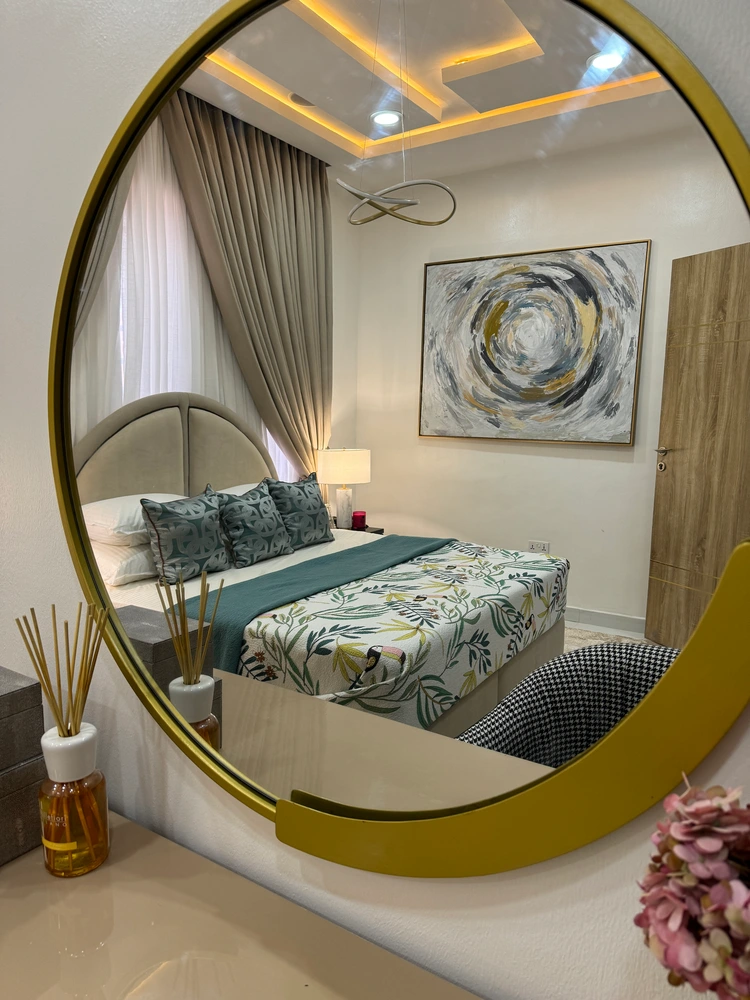
Your bedroom isn’t just a place to sleep—it’s your sanctuary. The right furniture doesn’t just make it look beautiful; it shapes how well you rest, recharge, and wake up ready to face the day. Choosing the perfect bedroom furniture means understanding how your sleep style and preferences connect with comfort and design.
Before you even look at furniture catalogs, take a moment to think about how you sleep. Are you a side sleeper curling into the sheets, a back sleeper stretched like a starfish, or a stomach sleeper hugging your pillow?
Each position demands different levels of support and space, and that’s where furniture comes in. For instance, side sleepers may prefer softer mattresses, while back sleepers benefit from firmer support to keep the spine aligned.
Your bed is the focal point of your bedroom and the foundation of good sleep. The design, height, and structure affect not just how your room looks but also how you feel when waking up.
Go for a sturdy frame that complements your décor. Wooden frames bring warmth and a rustic vibe, while metal frames add a modern or vintage touch. If you like a hotel-style feel, upholstered bed frames offer luxury and softness.
Side sleepers: memory foam or hybrid mattresses work best.
Back sleepers: Opt for medium-firm or firm mattresses.
Stomach sleepers: Choose firm mattresses for better spinal support.
If you move a lot during sleep, a Queen or King bed offers space to stretch. Smaller rooms? A full-size or twin XL might be perfect.
The mattress is the soul of your sleep. Don’t fall for marketing buzz—focus on your comfort level.
Memory Foam: Moulds to your body and relieves pressure points.
Innerspring: Offers bounce and breathability.
Hybrid: The best of both worlds—support and comfort.
Your ideal mattress should keep your spine neutral and your muscles relaxed all night.
Headboards are not just decorative—they offer back support for reading or watching TV.
Upholstered headboards feel plush and cosy.
Wooden headboards create a natural, grounded feel.
Metal headboards deliver a minimalist, elegant touch.
Nightstands are small but mighty. Choose ones that align with your bed height for easy access to your lamp, water, or phone. If you like symmetry, have one on each side. For smaller rooms, floating nightstands save space while maintaining style.
Your dresser should blend utility with design.
Vertical dressers save floor space.
Wide dressers offer generous top surfaces for décor.
Hidden storage beds are a lifesaver in compact bedrooms.
Freestanding wardrobes bring flexibility, while built-ins offer sleek organization. Add mirrors to doors—they double your space visually and save wall space.
Adding a chair or bench gives your bedroom a lounge-like comfort. A soft ottoman at the bed’s end or a reading nook with a cosy armchair can completely change your bedtime routine.
Your colour palette affects your sleep.
Cool tones (blues, greens): Promote calm.
Warm tones (beige, taupe): Create cosiness.
Neutrals: Offer timeless elegance.
Coordinate finishes—if your bed frame is dark wood, match or contrast with lighter tones for balance.
Lighting can make or break your sleep atmosphere.
Ambient lighting: General brightness.
Task lighting: Perfect for reading.
Accent lighting: Adds mood and personality.
Consider dimmable lights or smart bulbs to create a relaxing pre-sleep environment.
Good bedroom design isn’t just visual—it’s about alignment.
Make sure your bed height suits your body type (your knees should be level when sitting). Avoid overly high dressers or low side tables that strain your posture.
Keep pathways clear and ensure furniture proportions suit your room size. A cramped layout disrupts energy flow and relaxation. Place your bed opposite or adjacent to a window for natural light balance.
Go for furniture made from sustainable wood, bamboo, or reclaimed materials. They’re durable, stylish, and eco-friendly—good for you and the planet.
Choosing the perfect bedroom furniture isn’t just about matching aesthetics—it’s about matching you. Your sleep style, comfort preferences, and lifestyle should guide your choices. When everything aligns—bed, storage, lighting, and layout—your bedroom becomes more than a room. It becomes your personal retreat.

Living in a small apartment doesn’t mean you have to compromise on style or functionality. Whether you’re a city dweller navigating a studio flat or someone downsizing to embrace minimalist living, the right furniture can transform your cramped quarters into a comfortable, efficient haven. But here’s the million-dollar question: how do you fit everything you need without turning your home into a cluttered maze?
Enter multi-functional furniture—the superhero of small-space living. These ingenious pieces pull double, triple, or even quadruple duty, helping you maximize every square inch. From beds that hide storage compartments to coffee tables that convert into dining surfaces, multi-functional furniture is all about working smarter, not harder. In this article, we’ll explore ten must-have pieces that’ll revolutionize how you use your space.
Before we dive into specific pieces, let’s talk about why multi-functional furniture deserves a permanent spot in your small apartment.
Think of your apartment as a puzzle where every piece needs to fit perfectly. Multi-functional furniture helps you solve that puzzle by serving multiple purposes in one compact package. A bed that stores your winter clothes? Check. A desk that folds away when you’re done working? Absolutely. These pieces ensure no space goes to waste.
Why buy five separate pieces of furniture when one can do the job of all five? Multi-functional furniture saves you money in the long run. Instead of purchasing a separate bed, storage unit, and seating area, you could invest in a quality storage bed with built-in seating. Your wallet will thank you.
Gone are the days when space-saving furniture looked clunky and unattractive. Today’s multi-functional pieces boast sleek, modern designs that enhance your apartment’s aesthetic. They’re proof that practicality and beauty can coexist harmoniously.
Imagine having a cozy spot for movie nights that transforms into a comfortable bed for overnight guests. That’s the magic of a sofa bed. It’s like having two essential pieces of furniture occupying the space of one. Perfect for studio apartments where the living room and bedroom share the same square footage.
Not all sofa beds are created equal. Look for one with a sturdy frame and a comfortable mattress—your guests (and your back) will appreciate it. Consider the conversion mechanism too. Some fold out easily, while others require a bit of muscle. If you’ll be using it frequently, invest in quality. Remember, this isn’t just furniture; it’s an investment in your comfort and hospitality.
What looks like a simple footrest or extra seating actually conceals a secret storage compartment. Storage ottomans are the chameleons of small-space furniture. Use them to stash blankets, books, magazines, or anything else cluttering your living area. They’re also perfect as makeshift side tables or coffee tables when topped with a tray.
The beauty of storage ottomans lies in their discretion. Guests won’t even realize you’re storing half your belongings inside that stylish cube they’re resting their feet on. It’s like having a magician’s hat in your living room—everything disappears inside!
Working from home in a small apartment can feel like trying to squeeze into your teenage jeans—uncomfortable and impractical. Wall-mounted desks solve this problem by providing a dedicated workspace that folds away when you’re off the clock. Mount one in your bedroom, living room, or even a hallway corner.
These desks typically feature built-in shelving or compartments for your supplies, eliminating the need for separate storage units. When work ends, simply fold it up, and voilà—your living space is back. It’s the ultimate solution for maintaining work-life boundaries in a compact home.
Murphy beds are the ninjas of furniture—they appear when needed and disappear when not. These wall-mounted beds fold up vertically, freeing up valuable floor space during the day. Some modern Murphy beds even come with attached desks, shelving, or sofas, making them true multi-tasking champions.
Installing a Murphy bed transforms a bedroom into a multi-purpose room. During the day, it’s an office, yoga studio, or entertainment area. At night, it becomes your cozy sleeping sanctuary. It’s like having a studio apartment with a separate bedroom—without actually having one.
Love entertaining but hate sacrificing your entire living space to a massive dining table? Extendable dining tables offer the best of both worlds. They remain compact for everyday use but expand when you’re hosting dinner parties or family gatherings.
Modern designs incorporate clever mechanisms that make extension effortless. Some feature drop leaves, while others have hidden panels that slide out smoothly. When collapsed, they work perfectly as desks or console tables. It’s like having a transformer in your dining area—ready to adapt to any situation.
Nesting tables are like Russian dolls of the furniture world. These sets of tables in graduated sizes tuck neatly into one another when not in use. Pull them out when you need extra surface space for drinks, snacks, or laptop work, then slide them back together to save space.
They’re incredibly versatile too. Use the smallest as a plant stand, the medium one as a side table, and the largest as a coffee table. Their mobility means you can rearrange your space effortlessly, adapting to whatever activity you’re doing. Think of them as your apartment’s shape-shifters.
Storage beds are the Swiss Army knives of bedroom furniture. They come in several designs: platform beds with drawers underneath, lift-up storage beds with hydraulic mechanisms, and captain’s beds with built-in shelving. Each offers substantial storage space for everything from seasonal clothing to extra bedding.
The lift-up storage bed is particularly impressive, providing access to the entire space beneath your mattress. It’s like having a walk-in closet hidden under your bed. For apartments lacking closet space, this single piece of furniture can be a total game-changer. Why waste all that space under your bed when you could be storing your entire wardrobe there?
These aren’t your grandparents’ coffee tables. Convertible coffee tables feature adjustable tops that raise to dining or desk height, transforming your living room into a dining room or workspace in seconds. Some even expand in width, accommodating more people or providing extra work surface.
Picture this: you’re binge-watching your favorite series with a snack on your coffee table. Suddenly, friends call—they’re coming over for dinner. No problem! Lift the top, extend the sides, and you’ve got a proper dining table. It’s furniture sorcery at its finest.
Modular shelving units are the LEGO blocks of furniture. Start with a basic configuration and add, remove, or rearrange modules as your needs change. Need more book storage? Add a module. Moving to a different apartment? Reconfigure the entire unit to fit your new space.
These units can serve as room dividers, creating separate zones in an open-plan apartment without blocking light. Use them as entertainment centers, bookcases, display units, or all three simultaneously. The flexibility they offer is unmatched, making them a smart long-term investment for renters and homeowners alike.
Sometimes simplicity wins. Folding chairs and tables may not seem revolutionary, but they’re incredibly practical for small apartments. Keep them tucked away in a closet and bring them out when guests arrive. Lightweight and easy to store, they ensure you’re always prepared for spontaneous gatherings.
Modern folding furniture has evolved far beyond the wobbly card tables of yesteryear. Today’s options feature stylish designs and sturdy construction that rival conventional furniture. They’re perfect for balcony dining, extra workspace, or emergency seating. Think of them as your apartment’s backup dancers—ready to jump in when the main act needs support.
Before purchasing any furniture, break out that measuring tape. Know your dimensions inside and out—ceiling height, doorway width, and available floor space. The last thing you want is a beautiful Murphy bed that won’t fit through your front door. Measure twice, buy once.
Multi-functional furniture gets more use than regular pieces, so quality matters. A cheaply made sofa bed will sag and squeak within months, while a quality one will serve you for years. Consider it an investment. Would you rather buy once and have it last, or buy multiple times because things keep breaking?
Be honest about how you’ll actually use each piece. If you work from home daily, that wall-mounted desk is essential. But if you’re rarely home, maybe skip it. Host dinner parties monthly? An extendable table makes sense. Only have guests twice a year? Perhaps a folding table is sufficient. Choose furniture that matches your real life, not your aspirational one.
Living in a small apartment doesn’t mean sacrificing comfort, style, or functionality. With these ten multi-functional furniture pieces, you can create a home that’s efficient, beautiful, and perfectly suited to your lifestyle. Each piece works overtime to maximize your limited space, proving that smart design can overcome any square-footage challenge.
Remember, the key to successful small-space living isn’t about cramming in as much furniture as possible—it’s about choosing pieces that serve multiple purposes without overwhelming your home. Start with one or two items from this list and gradually build your collection. Before you know it, your small apartment will feel spacious, organized, and completely yours.
So, what are you waiting for? It’s time to transform your cramped quarters into a functional palace.
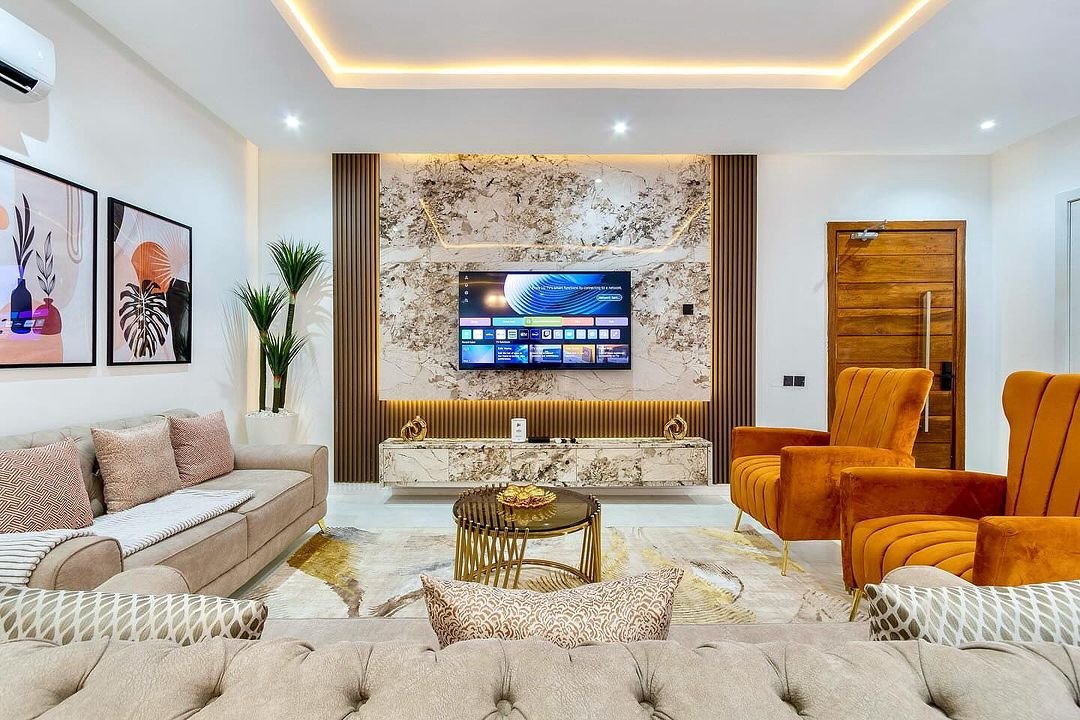
Do you know we roll out exclusive discount every week to our subscribers? That means, you can shop with up to…
All you have to do is tell us where to send it